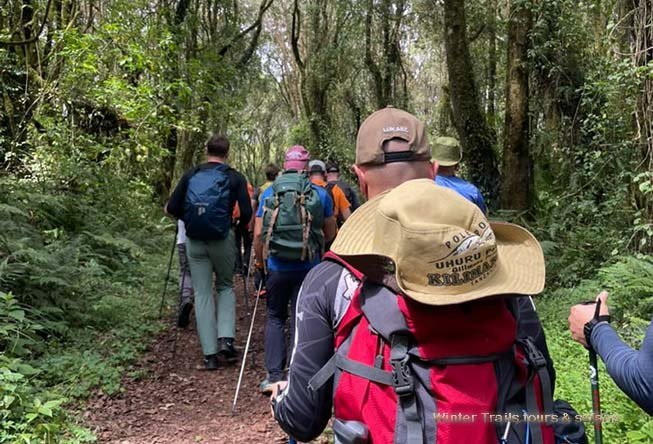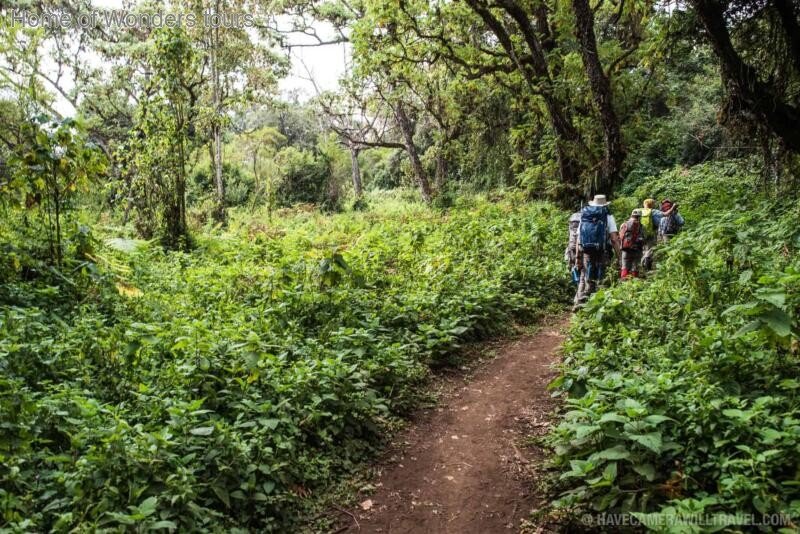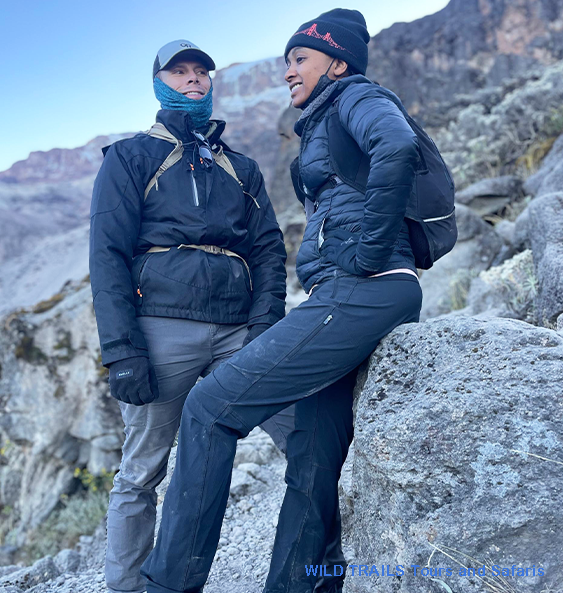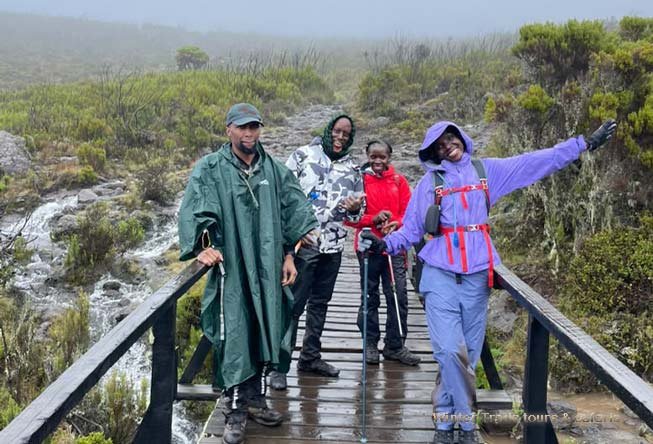
Mount Kilimanjaro is one of the most accessible high-altitude peaks in the world. Unlike Everest, Denali, or even Mount Kenya's highest points, Kilimanjaro requires no technical climbing skills. You don't need ropes, harnesses, ice axes, or previous mountaineering experience. You just need to be able to walk — and to keep walking, slowly, for several days.
That's why thousands of first-time trekkers summit Uhuru Peak every year. Many have never camped before. Many have never been above 3,000 meters. Many are in their 50s, 60s, or older. If you're reasonably fit and willing to prepare, Kilimanjaro is within your reach.
But "no experience required" doesn't mean "easy." This guide explains exactly what beginners need to know — the challenges, the training, the route choices, and the mindset — so you can decide if Kilimanjaro is right for you.
What "No Experience" Really Means
When we say you can climb Kilimanjaro without experience, we mean:
- No technical climbing. You won't need to use ropes, crampons, or ice axes. The trail is a walk-up route.
- No previous altitude experience. Many successful climbers have never been above 2,000 meters before.
- No camping experience necessary. On most routes, porters carry your gear and set up camp. You just carry a daypack.
- No age limit. Climbers range from teenagers to people in their 70s. The oldest person to summit was 89.
What you do need:
- A reasonable level of fitness. You should be able to walk 5–8 hours per day for consecutive days.
- Mental resilience. Summit night is long, cold, and exhausting. You need to push through.
- Willingness to prepare. Training for 12–16 weeks before your climb dramatically improves your chances.
- Honesty with yourself and your guides. If you feel unwell, speak up. Ignoring symptoms is dangerous.
The Biggest Challenge: Altitude
Altitude is the great equaliser on Kilimanjaro. At 5,895 meters, the air contains roughly 40% less oxygen than at sea level. Your body needs time to adapt — a process called acclimatisation.
Fitness does not prevent altitude sickness. Young, fit athletes sometimes struggle more than older, slower walkers because they push too hard. The key is to ascend slowly and give your body time to adjust.
How to manage altitude as a beginner:
- Choose a longer route (7–9 days). More days = better acclimatisation.
- Walk "pole pole" (slowly, slowly). If you can't talk while walking, slow down.
- Drink 3–5 litres of water per day.
- Consider Diamox (consult your doctor).
- Tell your guide immediately if you feel unwell.
Choosing the Right Route for Beginners
Not all routes are equal. Some are shorter, cheaper, and more crowded — but have lower success rates. Others are longer, more scenic, and give you a much better chance of reaching the summit.
| Route | Days | Difficulty | Success Rate | Best For |
|---|---|---|---|---|
| Marangu | 5–6 | Moderate | 55–60% | Budget climbers (choose 6 days) |
| Machame | 6–7 | Moderate–Hard | 65–70% | Intermediate hikers (choose 7 days) |
| Lemosho | 7–8 | Moderate | 70–75% | First-timers (recommended) |
| Northern Circuit | 9–10 | Moderate | 80–95% | Best acclimatisation, highest success |
| Rongai | 6–7 | Moderate | 75–80% | Quieter route, northern approach |
For beginners, the best choice is Lemosho (8 days) or Northern Circuit (9 days). These routes give you the best chance of summiting because they allow your body to acclimatise properly. They cost more, but the extra investment is worth it.
Avoid 5-day routes. They are too short for most people to acclimatise, and your chance of reaching Uhuru Peak drops dramatically.
Do You Need to Train?
Yes — but not as much as you might think. You don't need to be an athlete. You need to be consistent.
A 12–16 week training plan that focuses on:
- Cardiovascular endurance (4–5 sessions per week)
- Leg strength (2–3 sessions per week)
- Long hikes (back-to-back on weekends, with a pack)
Is enough for most beginners. Start with shorter hikes and build up gradually. The most important training is time on your feet — long walks with elevation gain.
For a full training plan, see our Kilimanjaro Training Guide.
What About Gear?
You don't need to spend a fortune on gear. Many items can be rented in Moshi or Arusha for a fraction of the cost of buying them.
Essential items:
- Broken-in hiking boots
- 4-season sleeping bag (rentable)
- Down jacket for the summit (rentable)
- Trekking poles (rentable)
- Headlamp with spare batteries
- Rain gear
- Warm layers (base, mid, outer)
- Sun protection (hat, sunglasses, sunscreen)
What you don't need:
- Technical climbing gear
- Heavy mountaineering boots
- Expensive brand-name clothing
- Things you won't use (books, extra shoes, valuables)
For a full packing list, see our Kilimanjaro Packing List.
Tips for First-Time Climbers
- Choose a longer route. 7–9 days gives you the best chance of summiting.
- Train consistently. Start 12–16 weeks before your climb.
- Walk slowly. "Pole pole" is not a suggestion — it's a survival strategy.
- Drink water constantly. Dehydration worsens altitude sickness.
- Eat even when you're not hungry. Your body needs fuel.
- Listen to your guides. They know the mountain and they know altitude sickness.
- Don't be a hero. If you feel unwell, tell someone. If your guide says descend, descend.
- Prepare mentally. Summit night is as much a mental challenge as a physical one.
- Book with a reputable operator. Safety standards, guide experience, and porter treatment matter.
- Enjoy the journey. Kilimanjaro is not just about the summit. The scenery, the people, and the experience are unforgettable.
Common Myths About Climbing Kilimanjaro
| Myth | Truth |
|---|---|
| "You need to be an athlete." | You need reasonable fitness and determination. Most active people can do it. |
| "You need technical climbing skills." | No. Kilimanjaro is a trekking peak. No ropes or axes required. |
| "You can't climb if you're over 50." | Many successful climbers are in their 50s, 60s, and 70s. |
| "You can train for altitude at sea level." | You can train your fitness, but you can't acclimatise without being at altitude. |
| "Cheap operators are fine." | Budget operators cut corners on safety, guide pay, and equipment. Choose reputable. |
| "You can push through altitude sickness." | Pushing through can be fatal. Descent is the only cure. |
| "You don't need to train." | You can climb without training, but your chances of summiting are much lower. |