Climbing Kilimanjaro is a big commitment — physically, mentally, and financially. One of the most common questions first-time climbers ask is whether to join a group tour or book a private climb. Group tours are popular for good reason: they reduce costs, add a social dimension to the adventure, and can make the experience feel less daunting.
But group climbs aren't for everyone. They come with trade-offs — less flexibility, varying paces, and group dynamics that can make or break your summit attempt.
This guide explains everything you need to know about group tours on Kilimanjaro: how they work, what they cost, the pros and cons, and how to choose the right one for you.
What Is a Group Tour on Kilimanjaro?
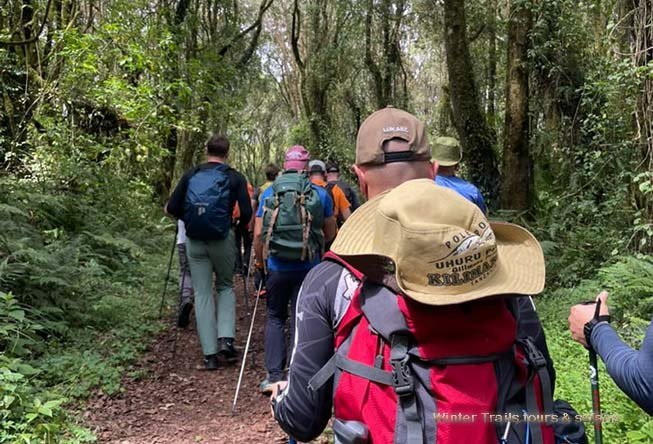
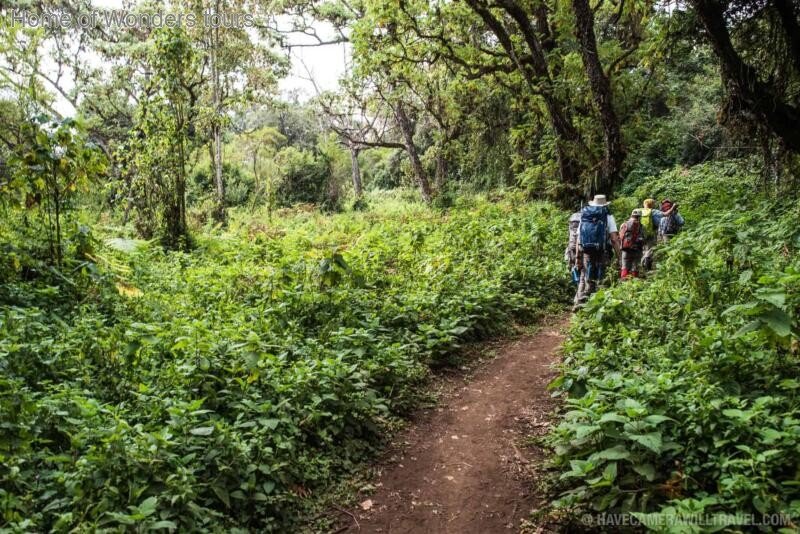
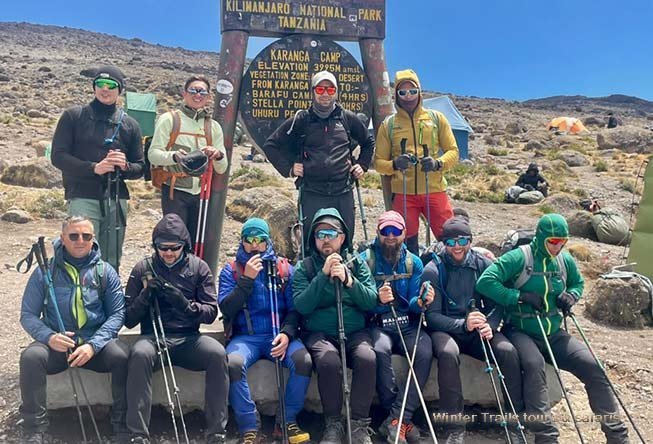
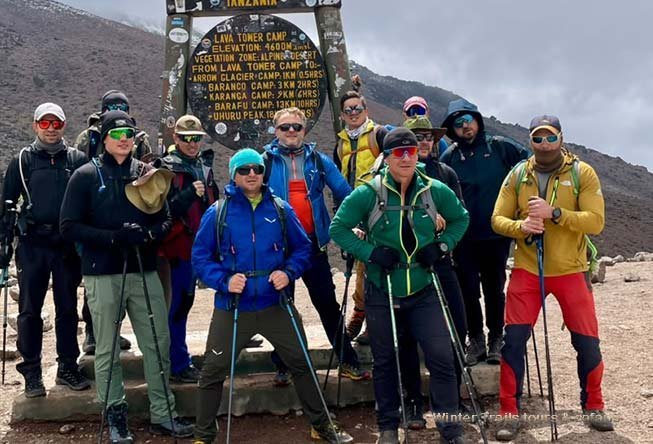
A group tour (also called a "shared climb" or "join-in group") means you climb with other travellers you didn't necessarily know before. The group size can range from 4 to 15 people, depending on the operator and route. You share guides, porters, cooks, camping equipment, and sometimes even tents.
Group tours are usually scheduled on fixed departure dates. You book a spot, and the operator fills the rest with other climbers. This is different from a private climb, where you have the entire crew to yourself (or your own small group).
Most group tours use the popular routes: Machame, Marangu, Lemosho, and Rongai. Some operators also offer group departures on the Northern Circuit.
Benefits of Group Tours
1. Lower Cost
This is the biggest reason climbers choose group tours. By sharing the cost of guides, porters, cooks, food, and camping equipment, the per-person price drops significantly.
| Cost Factor | Private Climb | Group Tour |
|---|---|---|
| Guide fees | You pay full cost | Shared among group |
| Porter fees | You pay full cost | Shared among group |
| Cook & food | You pay full cost | Shared among group |
| Camping equipment | You pay full cost | Shared among group |
| Park fees | Same per person | Same per person |
| Typical total | $4,000–$6,500+ | $2,500–$4,000 |
On average, a group tour can save you $1,000–$2,000 compared to a private climb.
2. Social Motivation
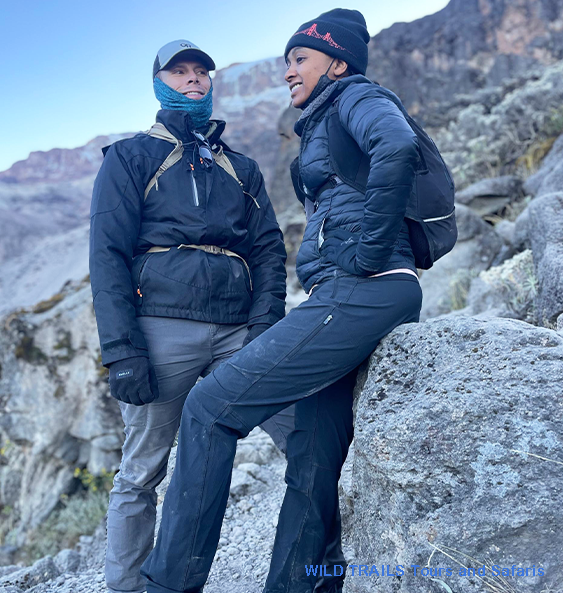
Climbing with others can be a huge morale boost. On summit night, when you're cold, tired, and questioning your life choices, having a group around you can keep you going. Many climbers form lasting friendships on the mountain.
3. Safety in Numbers
A larger group means more guides, more eyes on each climber, and more resources in an emergency. Reputable operators maintain a guide-to-climber ratio of 1:2 or 1:3, and group climbs often have assistant guides who can accompany slower climbers or those struggling with altitude.
4. Shared Experience
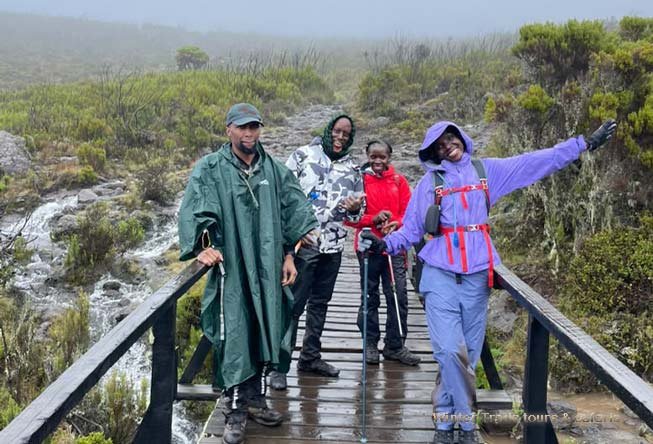
The memories you make on Kilimanjaro are amplified when you share them with others. Celebrating at the summit, laughing through the hard moments, and supporting each other on the trail creates bonds that last long after you descend.
Drawbacks of Group Tours
1. Less Flexibility
Group tours follow a fixed itinerary. You can't decide to sleep in, take a rest day, or change the pace. If the group is moving faster than you'd like, you either keep up or fall behind (with a guide, of course).
2. Different Paces
Everyone acclimatises differently. Some climbers are faster, some slower. A group tour means you may spend hours walking at someone else's pace — which can be frustrating if you're naturally quick or exhausting if you're struggling.
3. Group Dynamics
You don't get to choose your group. If you're lucky, you'll climb with supportive, positive people. If you're not, you might be stuck with someone who complains constantly, hogs the snacks, or ignores the guide's advice.
4. Less Privacy
On most group tours, you share tents (usually 2 people per tent). If you're a private person or a couple wanting your own space, this can be uncomfortable. You also share dining tents and toilet facilities.
5. Fixed Departure Dates
You can't always choose the dates that suit you best. Group tours operate on set schedules, so you may need to adjust your travel plans to match.
Group Tour vs Private Climb: Which Is Right for You?
| Factor | Group Tour | Private Climb |
|---|---|---|
| Cost | Lower (shared costs) | Higher (you pay for everything) |
| Flexibility | Low (fixed itinerary) | High (you set the pace) |
| Social aspect | High (meet new people) | Low (just you and your group) |
| Privacy | Low (shared tents) | High (your own tent) |
| Pace | Group pace | Your pace |
| Summit success | Good (with reputable operator) | Excellent (1:1 attention) |
| Best for | Budget climbers, solo travellers | Couples, families, experienced climbers |
Choose a group tour if: You're on a budget, travelling solo, and want to meet other climbers.
Choose a private climb if: You want flexibility, privacy, and the best possible chance of summiting (with a dedicated guide).
How to Choose the Right Group Tour
Not all group tours are created equal. Here's what to look for:
1. Reputable Operator
Check reviews, success rates, and safety records. Ask about guide-to-climber ratios, emergency oxygen, pulse oximeters, and evacuation procedures. A cheap group tour is often a false economy.
2. Group Size
Smaller groups (4–8 people) offer a better experience than large groups (12–15). Smaller groups mean more attention from guides, less waiting, and a more peaceful climb.
3. Route and Duration
Choose a longer route (7–9 days) for better acclimatisation. Avoid 5-day group tours — they have the lowest success rates.
4. Inclusions
Check what's included: park fees, meals, camping equipment, transfers, hotel nights, and tips. Some operators quote a low price but charge extra for essentials.
5. Departure Dates
Make sure the group departure fits your travel window. Peak season (July–August) fills up fast, so book early.
6. Group Composition
Ask who else is booked. Some operators cater to specific age groups, fitness levels, or nationalities. If you're a solo female traveller, you may prefer a group with other women.
Tips for a Successful Group Climb
- Communicate openly. If you're struggling, tell your guide. If you need a slower pace, say so.
- Be patient. Everyone acclimatises differently. Don't rush others, and don't let yourself be rushed.
- Respect your group. Keep noise down at night, share snacks, and support each other.
- Pack light. You'll be sharing space, so don't overpack.
- Bring earplugs. Group camps can be noisy.
- Stay positive. A good attitude is contagious — and so is a bad one.
- Tip fairly. Tips are shared among the crew, so follow the operator's guidelines.
Photo Gallery