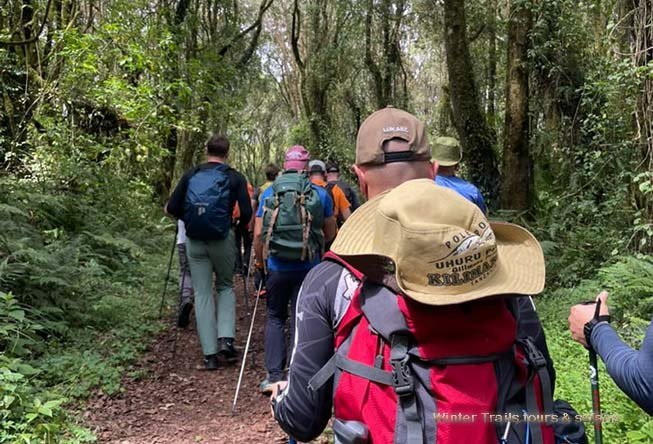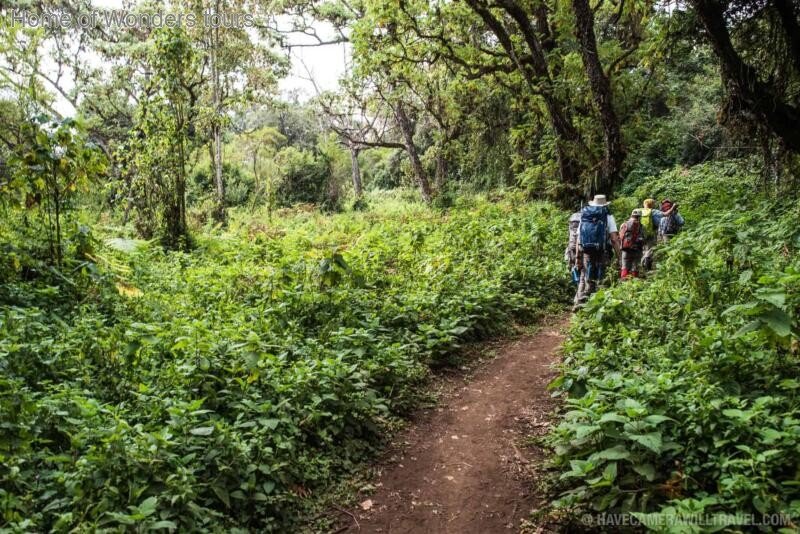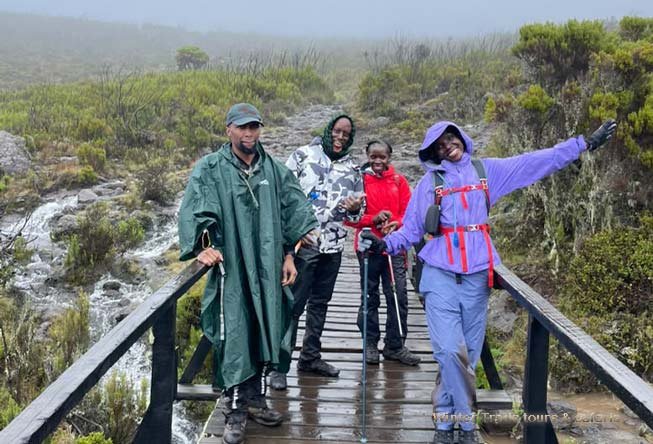
Climbing Kilimanjaro is not cheap. But the price you pay varies enormously depending on the route, the number of days, the operator, the level of comfort, and the time of year. In 2026, a standard Kilimanjaro climb costs between $2,500 and $6,500 per person — with budget climbs at the lower end and luxury experiences at the top.
This guide breaks down exactly what you're paying for, why cheap climbs are often a false economy, and how to budget realistically for your summit attempt.
The Big Picture: What Drives the Cost?
| Cost Factor | Impact on Price | Typical Range |
|---|---|---|
| Route & Duration | Longer routes = higher fees + more support | 5–9 days |
| Group Size | Smaller groups = higher per-person cost | 1–15 climbers |
| Accommodation | Camping vs huts vs luxury lodges | Budget to 5-star |
| Operator Quality | Safety standards, guide pay, equipment | Low to high |
| Park Fees | Fixed by government, non-negotiable | ~$1,000+ per climber |
| Extras | Gear rental, tips, travel insurance | $200–$800+ |
The biggest single cost is park fees — set by Kilimanjaro National Park (KINAPA) and unavoidable. In 2026, these fees alone account for $800–$1,200 of your total, depending on route length.
2026 Kilimanjaro Park Fees (Official)
Park fees are charged per person, per day. They include:
| Fee Type | Cost (USD) |
|---|---|
| Conservation Fee | $70 per day |
| Camping Fee (per night) | $50 per night |
| Hut Fee (Marangu only) | $60 per night |
| Rescue Fee (one-time) | $20 |
| Crater Camp Fee (optional) | $100 per night |
| VAT | 18% on all fees |
Example: A 7-day Machame route climb incurs:
- 7 days × $70 = $490 conservation
- 6 nights × $50 = $300 camping
- $20 rescue
- Subtotal: $810
- VAT (18%): $146
- Total park fees: ~$956 per person
That's before you've paid for guides, porters, food, or equipment. This is why any quote below $2,000 should raise questions.
Price Tiers: Budget vs Mid-Range vs Luxury
Budget: $2,500 – $3,500
What you get:
- Shorter routes (Marangu 5–6 days, Machame 6 days)
- Basic camping equipment (tents may be older)
- Shared group climbs (8–15 people)
- Simple meals (porridge, stew, rice)
- Fewer guides and porters (lower safety margin)
- No extra acclimatisation days
Risks:
- Lower summit success rates (50–65%)
- Less experienced guides
- Poorer equipment
- Hidden costs (gear rental, tips, transfers)
Best for: Experienced hikers on a tight budget who understand the trade-offs.
Mid-Range: $3,500 – $4,800
What you get:
- Longer routes (Lemosho 7–8 days, Machame 7 days)
- Good quality camping equipment
- Small groups (4–8 people)
- Varied, plentiful meals
- Adequate guide-to-climber ratio (1:2 or 1:3)
- Proper acclimatisation days built in
- Airport transfers and hotel night before/after
Summit Success: 75–85%
Best for: Most climbers — the sweet spot of safety, comfort, and value.
Luxury: $5,000 – $6,500+
What you get:
- Premium routes (Northern Circuit 9 days, Lemosho 8 days)
- High-end tents (mess tent, dining tent, toilet tent)
- Private climbs (just you and your group)
- Gourmet meals, fresh coffee, wine
- 1:1 guide ratio, extra porters
- Luxury lodge accommodation before/after
- Private transfers, extra acclimatisation days
Summit Success: 85–95%
Best for: Climbers who want maximum comfort and the highest chance of summiting.
What's Included (and What's Not)
Typically Included
- Park fees and rescue fee
- Guide(s), porters, cook
- Meals on the mountain (3 per day)
- Camping equipment (tents, sleeping mats, dining tent)
- Transfers to/from trailhead
- Hotel night before and after (mid-range and luxury)
- Portable toilet (mid-range and luxury)
Typically NOT Included
- International flights
- Tanzania visa ($50–$100)
- Travel insurance (required, $100–$200)
- Tips for guides and porters ($250–$400)
- Gear rental (sleeping bag, poles, etc., $100–$200)
- Personal items (snacks, drinks, souvenirs)
- Extra hotel nights
- Safari add-ons
The Hidden Costs: Tips, Gear, and Insurance
Tips (Mandatory)
Tipping on Kilimanjaro is not optional — it's an expected part of the crew's income. Budget $250–$400 per climber for the entire crew. This is typically split between guides, assistant guides, cook, and porters. Most operators provide a tipping guideline.
Gear Rental
If you don't own a 4-season sleeping bag, down jacket, trekking poles, or insulated boots, you can rent them in Moshi or Arusha. Costs:
| Item | Rental Cost (USD) |
|---|---|
| Sleeping bag (4-season) | $30–$50 |
| Down jacket | $20–$40 |
| Trekking poles | $10–$20 |
| Headlamp | $5–$10 |
| Insulated boots | $20–$40 |
| Full package | $80–$150 |
Travel Insurance
Kilimanjaro-specific insurance covering high-altitude trekking (up to 6,000m) and helicopter evacuation is essential. Expect to pay $100–$200.
Sample 7-Day Lemosho Budget (Mid-Range)
| Expense | Cost (USD) |
|---|---|
| Park fees (7 days) | $956 |
| Operator fee (guides, porters, food, camping) | $2,200 |
| Hotel before/after (2 nights) | $150 |
| Tips | $300 |
| Gear rental | $100 |
| Travel insurance | $150 |
| Visa | $100 |
| Total | $3,956 |
This is a realistic mid-range budget for a 7-day Lemosho climb. Luxury versions of the same route can exceed $6,000.
Why Cheap Climbs Are a False Economy
You will see operators advertising climbs for $1,200–$1,800. Avoid them. Here's why:
- They underpay porters. Porters are the backbone of the climb. Fair pay means higher costs. If the price is too low, someone is being exploited.
- They cut corners on safety. Fewer guides, no oxygen, no pulse oximeters, no evacuation plans.
- They use poor equipment. Broken zippers, leaking tents, thin sleeping mats.
- They skip acclimatisation days. Short routes mean lower success rates — you'll pay again to try again.
- They have hidden costs. Park fees, transfers, and tips may be "extra."
A cheap climb often ends with a failed summit and a second attempt — costing more in the long run than a properly priced climb from the start.
How to Budget Smartly
- Choose a longer route. A 7–8 day climb costs more but gives you a far better chance of summiting.
- Join a group. Shared climbs reduce per-person costs without sacrificing quality.
- Climb in shoulder season. June, October, and early March offer good weather and lower prices.
- Rent gear. Don't buy expensive equipment for one climb.
- Book early. Peak season (July–August) fills up fast, and prices rise.
- Budget for tips. Don't forget this essential expense.
- Factor in insurance. It's not optional.
The Verdict
In 2026, a realistic Kilimanjaro budget is:
- Budget: $2,500–$3,500 (with risks)
- Mid-range: $3,500–$4,800 (recommended)
- Luxury: $5,000–$6,500+ (premium experience)
The single biggest variable is not the operator's profit — it's park fees and route length. You cannot avoid park fees, and you shouldn't shorten your route just to save money. The extra days are what get you to the summit.
If you want the best value, choose a 7–8 day Lemosho or Machame climb with a reputable mid-range operator. You'll pay around $4,000 all-in, including tips, insurance, and gear rental. That's the price of a safe, comfortable, and successful Kilimanjaro experience.