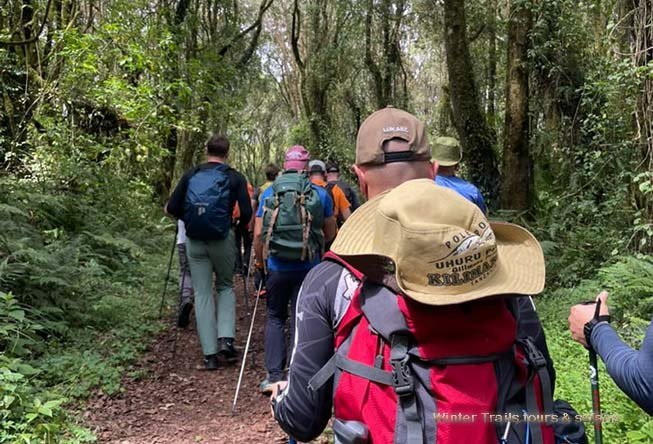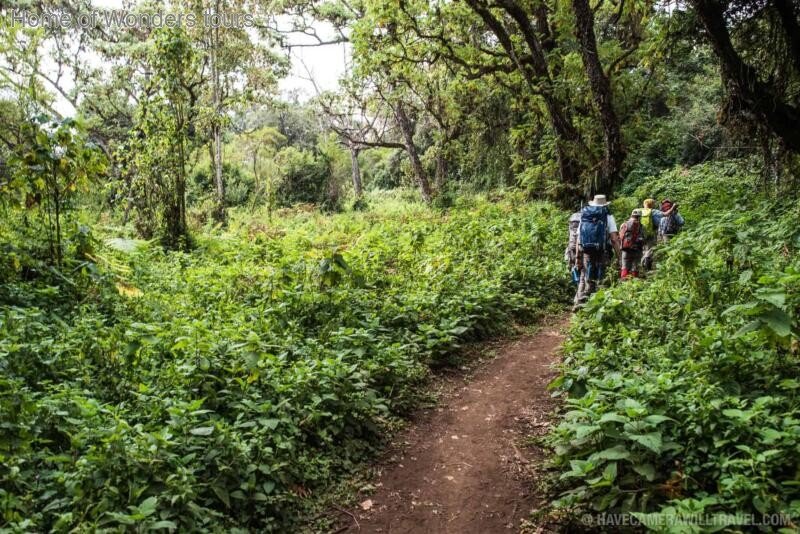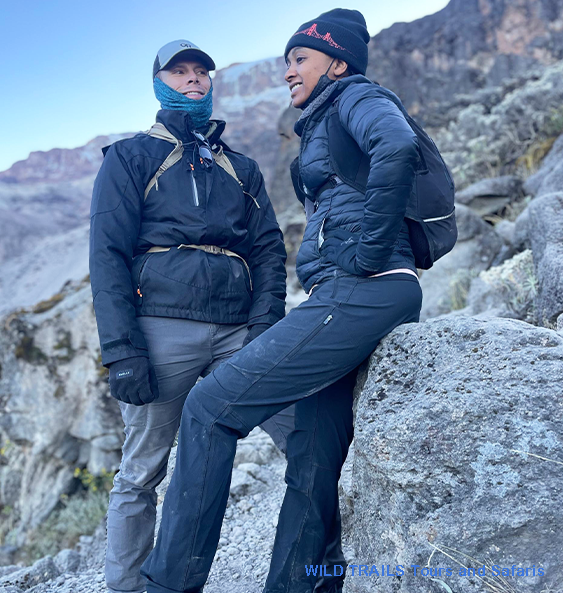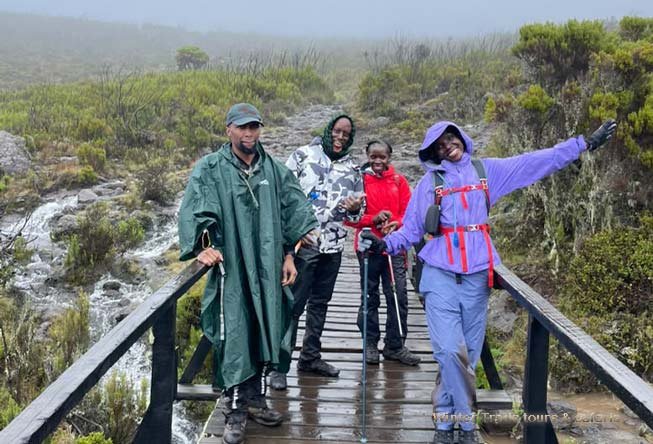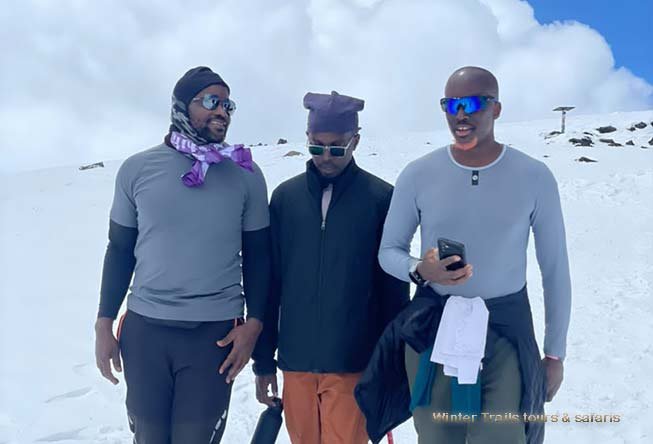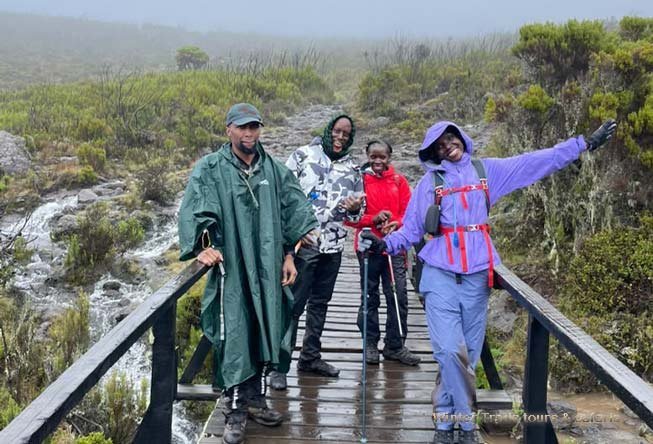
Packing for Kilimanjaro is not like packing for a normal holiday. You'll experience four climate zones in a single week — from warm rainforest at the base to arctic conditions at the summit. Temperatures can range from 25°C to -15°C. You'll be camping (on most routes) and carrying only what you need for the day.
The good news: you don't need to spend a fortune on gear. Many items can be rented in Moshi or Arusha. But you do need the right layers, the right footwear, and the right attitude about what to leave at home.
This guide covers exactly what to pack, what to leave behind, and how to organize it all.
The Golden Rule: Layers, Not Bulk
Kilimanjaro is all about layering. You'll peel off and put on layers throughout the day as you move between climate zones. Your porter carries your main bag (up to 15kg), but you carry your daypack with essentials for the day.
The three-layer system:
- Base layer: Moisture-wicking, quick-drying (not cotton)
- Mid layer: Insulating fleece or light down
- Outer layer: Windproof and waterproof shell
At the summit, you'll add a heavy down jacket, insulated pants, and extreme-weather gloves. Everything else can be layered up or down.
Full Kilimanjaro Packing List
Clothing
| Item | Quantity | Notes |
|---|---|---|
| Moisture-wicking base layers (top & bottom) | 3–4 sets | Merino wool or synthetic. No cotton. |
| Fleece or mid-layer jacket | 2 | One light, one heavy |
| Down jacket (summit) | 1 | 4-season, rated to -15°C or lower |
| Waterproof/windproof shell jacket | 1 | Gore-Tex or similar |
| Waterproof/windproof pants | 1 | Essential for rain and wind |
| Hiking pants (convertible) | 2–3 | Lightweight, quick-drying |
| Insulated pants (summit) | 1 | Down or synthetic |
| Shorts | 1–2 | For lower elevations |
| T-shirts (non-cotton) | 3–4 | For warm days |
| Underwear | 5–7 | Moisture-wicking |
| Sports bra (women) | 2–3 | Moisture-wicking |
| Warm hat/beanie | 1 | For summit night |
| Sun hat or cap | 1 | With neck protection |
| Balaclava or buff | 1–2 | For cold and wind |
| Gloves (light) | 1 pair | For lower elevations |
| Gloves (insulated, summit) | 1 pair | Mittens recommended |
| Hiking socks (wool/synthetic) | 5–7 pairs | No cotton |
| Liner socks | 2–3 pairs | Prevent blisters |
| Gaiters | 1 pair | Keep rocks and snow out |
| Rain poncho | 1 | Backup for heavy rain |
Footwear
| Item | Notes |
|---|---|
| Hiking boots | Waterproof, broken-in, ankle support. Rent or buy. |
| Camp shoes/sandals | For evenings at camp. Lightweight. |
| Flip-flops | For river crossings and showers (if available) |
Sleeping
| Item | Notes |
|---|---|
| Sleeping bag | 4-season, rated to -10°C or lower. Rent or bring. |
| Sleeping bag liner | Adds warmth and keeps bag clean. |
| Sleeping pad | Usually provided by operator. Check. |
| Pillow | Inflatable or use clothes bag. |
Gear & Equipment
| Item | Notes |
|---|---|
| Daypack (25–35L) | For daily essentials. You carry this. |
| Duffel bag (80–100L) | For porters to carry. Soft-sided, no wheels. |
| Trekking poles | Adjustable. Rent or bring. Essential for summit. |
| Headlamp | With extra batteries. Essential for summit night. |
| Water bottles (1L) | 2–3 bottles, or hydration bladder. |
| Water purification tablets | Backup. |
| Camelbak/hydration system | Optional but convenient. |
| Sunglasses | Category 4, glacier-grade. |
| Sunscreen (SPF 50+) | Reapply often. |
| Lip balm (SPF) | Prevent cracked lips. |
| Camera/phone | With extra batteries/power bank. |
| Power bank | For charging devices. |
| Toiletries | Toothbrush, toothpaste, biodegradable soap, etc. |
| Wet wipes | For personal hygiene. |
| Hand sanitizer | Essential. |
| Toilet paper | Bring your own. |
| Small towel | Quick-drying. |
| Earplugs | For noisy camps. |
| Eye mask | For early nights. |
| Snacks | Energy bars, nuts, chocolate. |
| Water flavor drops | For taste. |
| Altitude sickness medication | Diamox (consult doctor). |
| Personal first aid kit | Blister care, painkillers, etc. |
| Passport & documents | Keep in waterproof bag. |
| Money | For tips and souvenirs. |
| Travel insurance | Essential. |
| Emergency contact info | Give to operator. |
What NOT to Bring (Leave Behind)
- Cotton clothing: It gets wet and stays wet. Hypothermia risk.
- Heavy books: You won't read them. Bring a Kindle or nothing.
- Too many clothes: You'll wear the same layers repeatedly. Pack light.
- Valuables: Leave jewelry, expensive watches, and excess cash at the hotel.
- Drone: Requires special permits. Not allowed without permission.
- Heavy toiletries: Decant into small bottles. Travel-sized.
- Hair dryer/straightener: No electricity on the mountain.
- Alcohol: Increases altitude sickness risk. Avoid.
- Extra shoes: One pair of boots + camp shoes is enough.
- Large camera setup: Unless you're a professional, a phone or compact camera is fine.
What You Can Rent in Moshi/Arusha
| Item | Rental Cost (USD) |
|---|---|
| Sleeping bag (4-season) | $30–$50 |
| Down jacket | $20–$40 |
| Trekking poles | $10–$20 |
| Headlamp | $5–$10 |
| Insulated boots | $20–$40 |
| Gaiters | $5–$10 |
| Full package | $80–$150 |
Tip: Rent gear before you arrive or from your operator. Test everything before you leave for the mountain.
How to Pack Your Bags
Daypack (You Carry)
- Water bottles (2–3L)
- Snacks
- Rain jacket
- Fleece
- Sunscreen
- Lip balm
- Camera
- Headlamp
- Personal medication
- Passport (sometimes checked at park gates)
Duffel Bag (Porters Carry)
- Everything else
- Keep it under 15kg (weight limits vary by operator)
- Use packing cubes or stuff sacks for organization
- Label your bag clearly
Final Thoughts
Packing for Kilimanjaro is about preparation, not perfection. You don't need the most expensive gear — you need the right gear. Focus on layers, waterproofing, and warmth.
The essentials:
- Broken-in hiking boots
- 4-season sleeping bag
- Down jacket for the summit
- Trekking poles
- Headlamp with spare batteries
- Rain gear
- Sun protection
The mindset:
- Pack light. You'll thank yourself later.
- Test everything before you go.
- Rent what you don't own.
- Leave the unnecessary at home.
The mountain will challenge you regardless. The right gear makes it safer, more comfortable, and more likely that you'll reach Uhuru Peak.
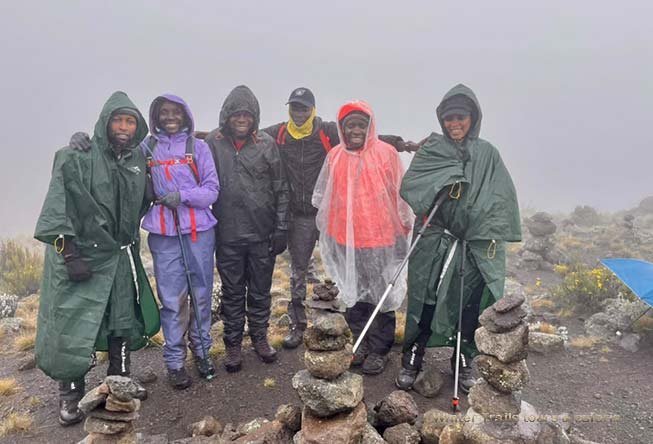
Photo Gallery