The Short Answer: One full day is enough to descend into the crater and see the Big Five. Two to three days allows you to experience the crater properly, visit a Maasai village, explore Olduvai Gorge, and combine it with Lake Manyara or Tarangire without rushing.
The One-Day Reality
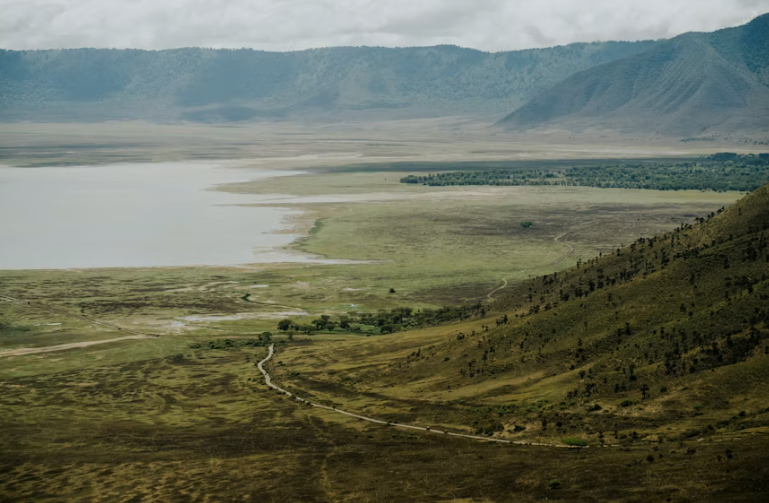
Most travellers experience Ngorongoro as a single-day stop on a longer northern circuit itinerary. You arrive at the rim in the late afternoon or evening, sleep at a lodge or camp, descend into the crater at dawn, spend the permitted maximum of six hours on the crater floor, ascend in the early afternoon, and depart for the next destination.
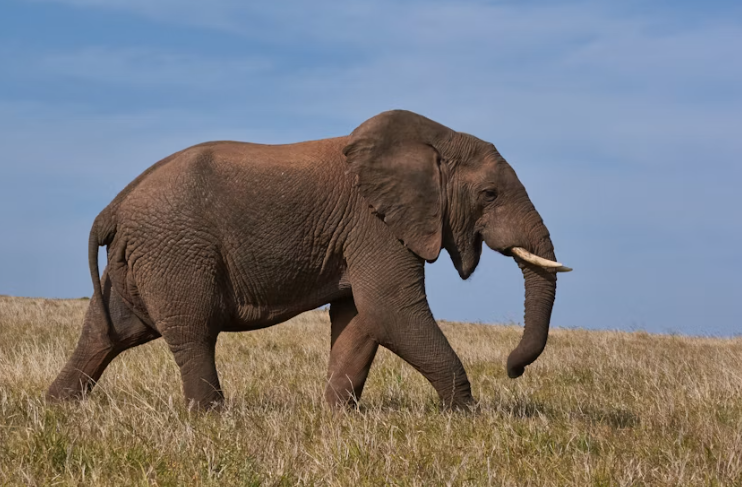
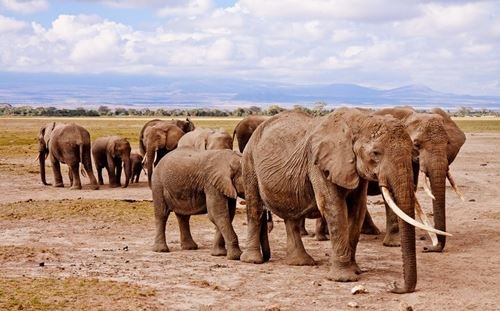
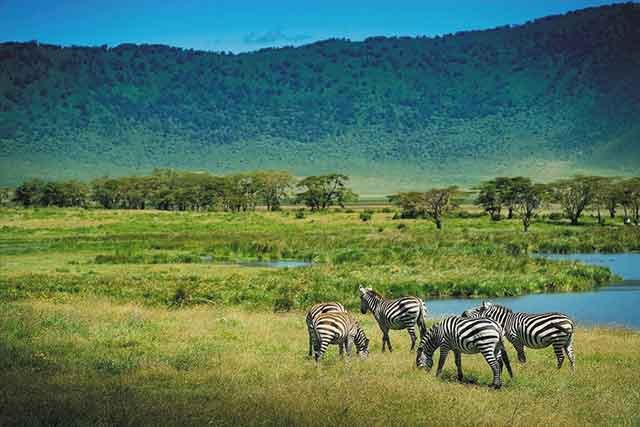
A single day in the crater is genuinely rewarding. Because wildlife is concentrated and does not migrate in or out, you can see lions, elephants, buffalo, hippos, flamingos, and — with luck — the critically endangered black rhinoceros within a few hours. Four of the Big Five on a first visit is common; all five in one day is achievable but not guaranteed.
The limitation is that a single day leaves no time for anything else in the conservation area. You will not visit a Maasai village, you will not stop at Olduvai Gorge, and you will not have a second chance at the crater if weather or road conditions limit visibility on your one morning.
What Two Days Adds
Two days transforms Ngorongoro from a stopover into a destination. The most valuable addition is a second crater descent. Morning and afternoon game drives reveal different animals and different behaviours — lions may be hunting at dawn and resting by midday, rhinos may be visible in one section of the floor in the morning and another in the afternoon. Having two attempts significantly increases your chances of a complete Big Five day.
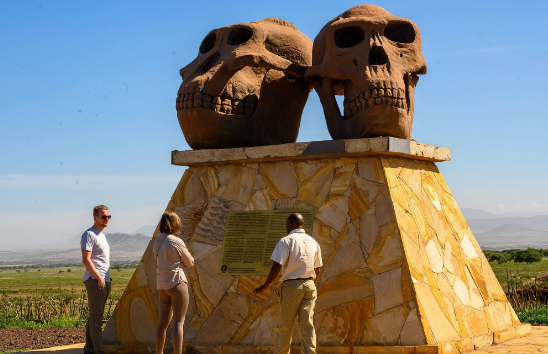
A second day also opens up the rest of the Ngorongoro Conservation Area. You can visit a traditional Maasai village on the crater rim and learn about their pastoralist traditions and their relationship with the conservation area. You can drive to Olduvai Gorge, the paleoanthropological site known as the Cradle of Mankind, where Louis and Mary Leakey discovered hominin fossils dating back nearly two million years. You can explore the shifting sand dunes, the Gol Mountains, and the remote plains of the conservation area, which receive a fraction of the crater's visitors.
Two days is the sweet spot for travellers who want the crater experience without feeling rushed, and who value the cultural and historical dimensions of the region alongside the wildlife.
What Three Days Adds
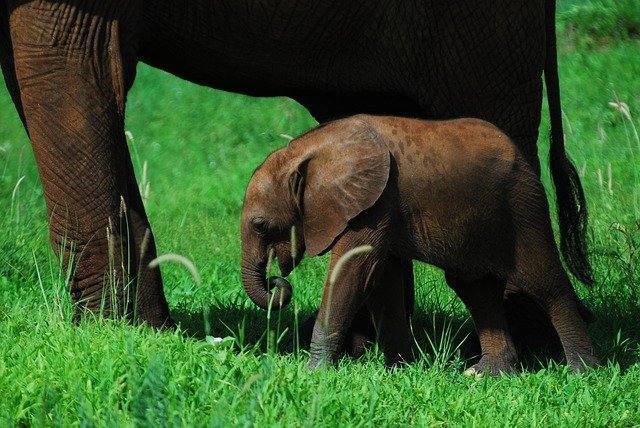
Three days allows Ngorongoro to be combined with another park without compressing either experience. The most natural pairings are Lake Manyara, with its tree-climbing lions and Rift Valley scenery, and Tarangire, with its elephant herds and ancient baobabs. Both are within a few hours' drive of the crater.
Three days also makes Ngorongoro viable as part of a longer northern circuit that includes the Serengeti. Rather than treating the crater as a single-night add-on at the end of a Serengeti safari, you can spend a full day in the crater, a day exploring the conservation area and Maasai villages, and a day transferring through Lake Manyara or Tarangire on the way back to Arusha.
For families, older travellers, or anyone who prefers a slower pace, three days removes the pressure of early starts and long drives. It also provides a buffer against weather — if cloud or rain obscures the crater on one day, you have another chance.
A Simple Framework
| Time Available | What You Can Realistically Do |
|---|---|
| 1 day | One crater descent, Big Five possible, no time for Maasai village or Olduvai Gorge |
| 2 days | Two crater descents, Maasai village visit, Olduvai Gorge, relaxed pace |
| 3 days | Everything above plus Lake Manyara or Tarangire, or extra time in the conservation area |
The Verdict
One day in Ngorongoro Crater is enough to see the wildlife and understand why it is a UNESCO World Heritage Site. Two days is enough to do it justice. Three days is enough to combine it with neighbouring parks without sacrificing depth in any of them.
If your itinerary is built around the Serengeti and you are adding Ngorongoro as a finale, one night on the rim and one crater descent is a reasonable minimum. If Ngorongoro is a centrepiece of your trip, or if you are travelling with people who value a slower pace and cultural experiences alongside wildlife, give it two or three days. The crater will reward the extra time — not because there is more wildlife to see, but because there is more to understand about the place, its people, and its deep history.
Ready to plan your Ngorongoro Crater adventure? Contact Winter Trails Tours and Safaris to design an itinerary that matches your time, budget, and interests.
Photo Gallery