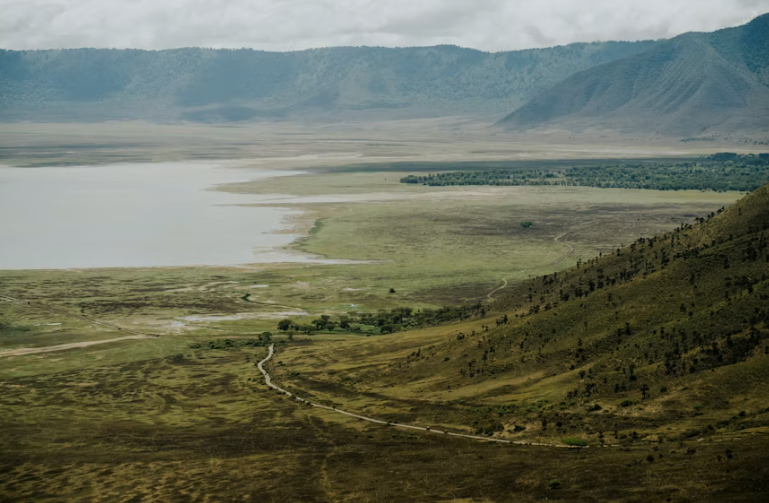
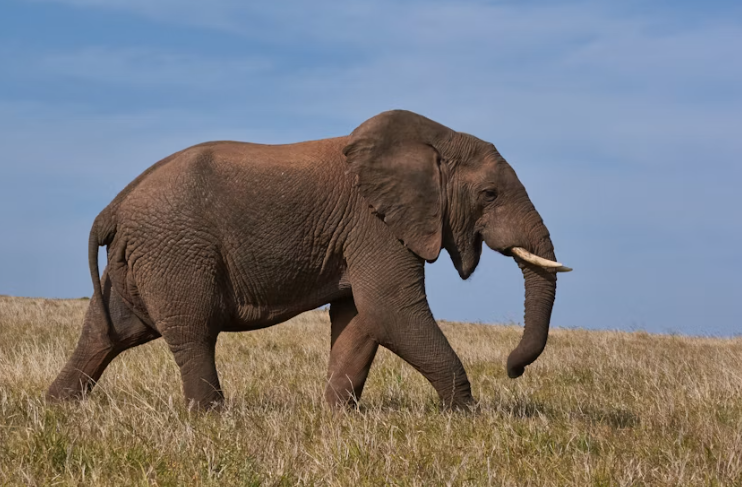
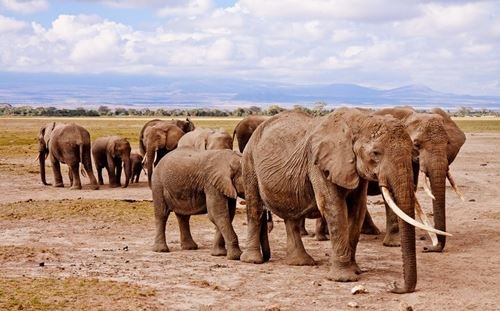
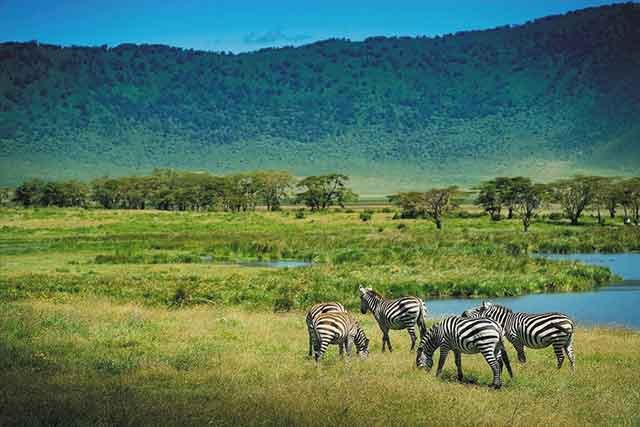
A Ngorongoro safari is often associated with wildlife and game drives inside the famous crater. However, the Ngorongoro Conservation Area offers much more than watching animals from a safari vehicle.
The wider conservation area is a remarkable combination of volcanic landscapes, archaeological sites, cultural communities, mountains, forests, waterfalls, and diverse wildlife. Visitors can explore the area through walking safaris, cultural experiences, archaeological tours, birdwatching, photography, hiking, and nature walks.
So, what can you do in Ngorongoro besides a game drive?
1. Go on a Walking Safari
A walking safari offers a completely different way to experience the Ngorongoro Conservation Area.
Instead of exploring from a vehicle, visitors can experience the landscape on foot with an authorized armed ranger and arranged guide. Walking experiences can take place in areas such as the Ngorongoro Crater rim, Empakaai Crater, Olmoti Crater, Mount Makarot, and other designated areas.
Walking allows you to pay closer attention to things that can easily be missed from a vehicle, including plants, tracks, insects, birds, geological features, and changing landscapes.
Because wildlife is present in the conservation area, walking activities must follow the area's safety and guiding requirements.
2. Visit Olduvai Gorge
For travellers interested in archaeology and human history, Olduvai Gorge is one of the most important places to visit in the wider Ngorongoro area.
The gorge is famous for archaeological discoveries that have helped researchers understand early human evolution. The area contains fossils, stone tools, and other evidence connected with ancient human ancestors.
A visit to Olduvai Gorge can therefore add a historical dimension to a Tanzania safari.
It is especially interesting for visitors who want to understand how human beings and the surrounding environment changed over very long periods of time.
3. Explore the Olduvai Gorge Museum
Near Olduvai Gorge, visitors can also learn more about the archaeological discoveries through the museum and interpretation facilities.
The museum provides an opportunity to understand the fossils, archaeological research, human evolution, and history associated with the area. The Geopark notes that the museum includes archaeological and cultural exhibits as well as facilities for visitors.
For anyone interested in human evolution in Tanzania, this can be one of the most educational experiences within the wider Ngorongoro region.
4. Visit Maasai Cultural Bomas
The Ngorongoro Conservation Area is also home to communities with long-standing cultural connections to the landscape.
Visitors can visit designated Maasai cultural bomas to learn about aspects of Maasai life, including traditional homes, food, dances, stories, crafts, and other cultural practices.
A cultural visit provides an opportunity to learn directly about local traditions rather than experiencing Ngorongoro only as a wildlife destination.
It is important for visitors to approach cultural experiences respectfully and follow local guidelines concerning photography and participation.
5. Learn About Hadzabe and Datoga Culture
The wider Ngorongoro region also has cultural connections with other communities, including the Hadzabe and Datoga.
The Ngorongoro Conservation Area Authority identifies cultural tourism involving Maasai, Datoga, and Hadzabe communities among the activities available in the area.
These experiences can introduce visitors to different traditions, livelihoods, food, crafts, and relationships with the surrounding environment.
For travellers interested in Tanzania cultural tourism, this provides an opportunity to see another side of northern Tanzania beyond wildlife.
6. Hike to Olmoti Crater
Olmoti Crater is another volcanic feature within the Ngorongoro landscape.
The area is known for its natural scenery, vegetation, wildlife, and waterfall. The Ngorongoro Lengai Geopark identifies Olmoti as one of the volcanic craters that can be explored along its routes through the highlands.
A hike around Olmoti offers a combination of volcanic scenery, forest, wildlife, and panoramic views.
For travellers who enjoy nature and walking, it can provide a quieter alternative to a conventional safari drive.
7. Visit Empakaai Crater
Another interesting activity is exploring Empakaai Crater, a dramatic volcanic landscape within the Ngorongoro highlands.
Walking routes in the conservation area include Empakaai among the destinations available for guided walking experiences.
The area offers impressive views and a chance to experience the volcanic landscape away from the busy wildlife-viewing areas.
For photographers and hikers, the combination of crater scenery, vegetation, and surrounding highlands can be particularly rewarding.
8. Go Birdwatching
The Ngorongoro Conservation Area is an excellent destination for birdwatching in Tanzania.
The NCAA records more than 550 bird species in the conservation area, including resident and migratory species. Different habitats—including grasslands, forests, lakes, marshes, and highlands—provide suitable environments for a wide range of birds.
Depending on the location and season, visitors may encounter flamingos, storks, ibises, ducks, raptors, ostriches, crowned cranes, hornbills, and many other species.
Birdwatching can be included alongside other activities or made a specific focus for travellers interested in photography and nature.
9. Take a Guided Nature Walk
A guided nature walk is another way to slow down and appreciate the smaller details of the environment.
Rather than focusing mainly on large animals, a nature walk can introduce visitors to:
- Native plants
- Trees and flowers
- Birds
- Animal tracks
- Geological features
- Local landscapes
- Traditional uses of plants
The NCAA provides guided nature experiences in designated areas, including walking trails and other natural attractions.
This type of activity is particularly suitable for travellers who enjoy learning about ecosystems and natural history.
10. Visit Endoro Waterfalls
For visitors interested in combining hiking with scenery, Endoro Waterfalls is another attraction in the wider Ngorongoro area.
The Geopark describes a walking route through lush rainforest to the waterfalls, with opportunities to observe vegetation, wildlife, birdlife, and panoramic views along the way.
The waterfalls provide a different environment from the open grasslands commonly associated with safari.
11. Explore Endoro Elephant Caves
The Endoro area also includes the Endoro Elephant Caves, one of the attractions listed by the Ngorongoro Conservation Area Authority.
These caves are connected with the movement of elephants through the landscape and provide another example of how geological features and wildlife interact within the conservation area.
A visit can be combined with other nature and walking experiences depending on the itinerary.
12. Enjoy a Photography Safari
Ngorongoro is not only attractive to wildlife photographers.
The wider conservation area contains volcanic craters, forests, grasslands, waterfalls, archaeological sites, mountains, and cultural landscapes, creating many different photography opportunities.
Photographers can focus on:
- Wildlife
- Landscapes
- Birds
- Volcanic formations
- Plants
- Sunrise and sunset
- Archaeological sites
- Cultural experiences at designated locations
The NCAA notes that off-road driving is prohibited, so photography activities should follow the conservation area's regulations.
13. Explore the Volcanic Landscape
The Ngorongoro region has a fascinating volcanic history.
Besides the famous Ngorongoro Crater, the wider area contains other volcanic features such as Olmoti and Empakaai craters, as well as mountain landscapes and geological formations.
The Ngorongoro Lengai Geopark has developed routes that connect geological, cultural, archaeological, and natural attractions across the region.
This makes the area interesting for travellers who want to understand the geology behind the spectacular landscapes.
14. Experience the Landscape Through a Geopark Route
For visitors with a strong interest in geology, history, and culture, the Ngorongoro Lengai Geopark offers different routes through the region.
The routes connect attractions such as volcanic craters, archaeological sites, cultural areas, mountains, and other geological features.
These experiences provide a broader understanding of how volcanic activity, human history, wildlife, and local communities have shaped the landscape over time.
Why Explore Beyond the Game Drive?
A game drive can introduce visitors to the wildlife of Ngorongoro, but the wider conservation area tells a much bigger story.
By adding other activities, travellers can experience:
- Nature through walking and hiking
- Culture through designated cultural visits
- History through archaeological sites
- Geology through volcanic craters and landscapes
- Birdlife through dedicated birdwatching
- Photography through diverse natural scenery
- Human evolution through sites such as Olduvai Gorge
This combination is what makes the Ngorongoro Conservation Area more than just a safari destination.
Final Thoughts
So, what can you do in the Ngorongoro Conservation Area besides a game drive?
There are many possibilities. Visitors can go on guided walking safaris, explore Olmoti and Empakaai craters, visit Olduvai Gorge, discover archaeological sites, experience designated Maasai cultural bomas, go birdwatching, hike to waterfalls, enjoy nature walks, and explore the area's remarkable volcanic landscapes.
These activities allow travellers to experience Ngorongoro from different perspectives—not only through its wildlife, but also through its culture, geology, archaeology, landscapes, and natural history.
For anyone planning a Ngorongoro safari, adding one or more of these experiences can turn a traditional game-viewing trip into a broader exploration of one of Tanzania's most diverse conservation landscapes.