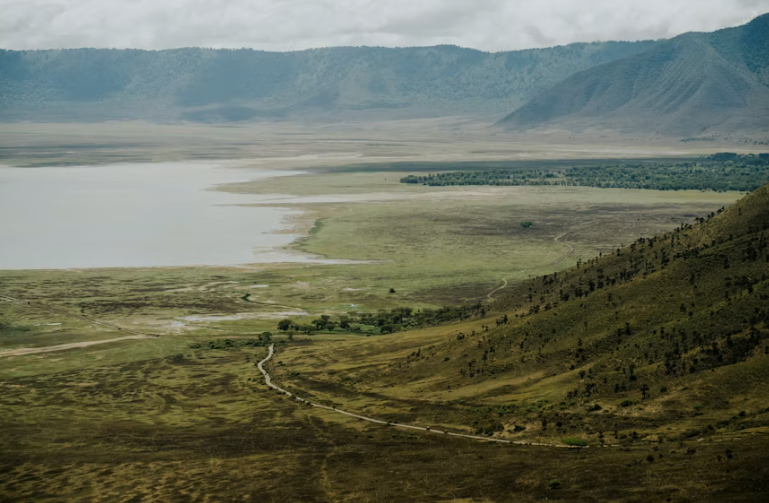
There is a moment, somewhere between the misty descent at dawn and the first sighting of a black rhino on the crater floor, when the Ngorongoro Crater stops being a destination and becomes something closer to a revelation. The walls rise 600 meters on every side. The floor stretches 260 square kilometers. And somewhere in that enclosed world, almost every animal you have ever seen in a documentary is going about its morning as if you do not exist.
This is the promise of Ngorongoro: the best chance in Africa to see the Big Five — lion, leopard, elephant, buffalo, and rhino — in a single day. It is a promise the crater keeps more reliably than almost anywhere else on the continent.
A World Within Walls
The Ngorongoro Crater is the world's largest inactive volcanic caldera, formed when a massive volcano collapsed approximately two to three million years ago. What remains is a near-perfect bowl, enclosed by forested rims that trap moisture, moderate temperature, and — crucially — keep the wildlife in.
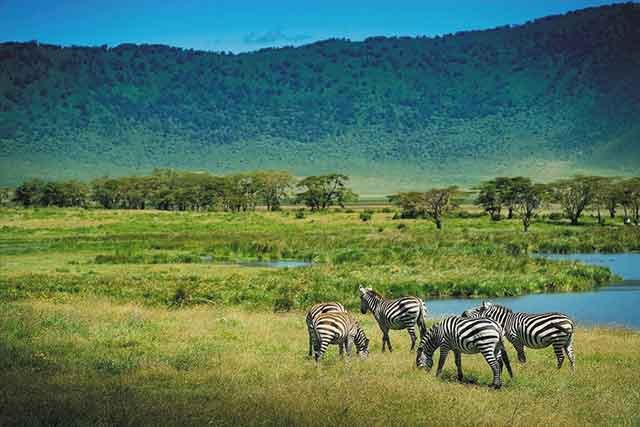
Unlike the Serengeti, where animals follow the rains across vast distances, the crater's residents do not leave. The ecosystem is self-contained. Grasslands, swamps, freshwater lakes, and acacia woodland exist side by side within the caldera, supporting an estimated 25,000 large animals year-round.
This is the geological accident that makes Ngorongoro extraordinary. You are not searching for wildlife across an endless plain. You are descending into a world where the wildlife has nowhere else to go.
The Big Five, One by One
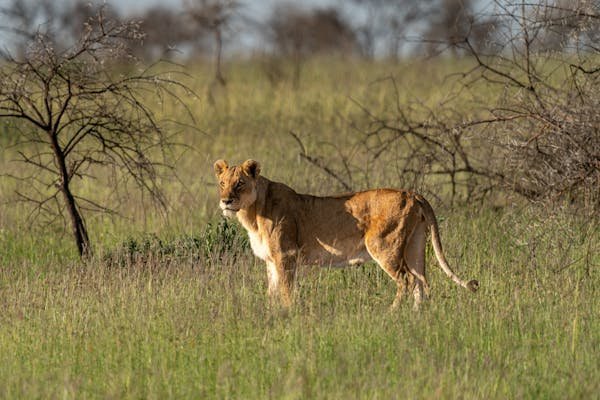
Lion. The crater holds one of the highest densities of lions in Africa. Prides are resident and territorial, and sightings are almost guaranteed. On a good morning, you may see a pride on a kill, cubs playing in the grass, or a male patrolling the boundary of his territory. The open terrain makes behaviour easy to observe — hunting, socialising, resting — in a way that dense bush rarely allows.
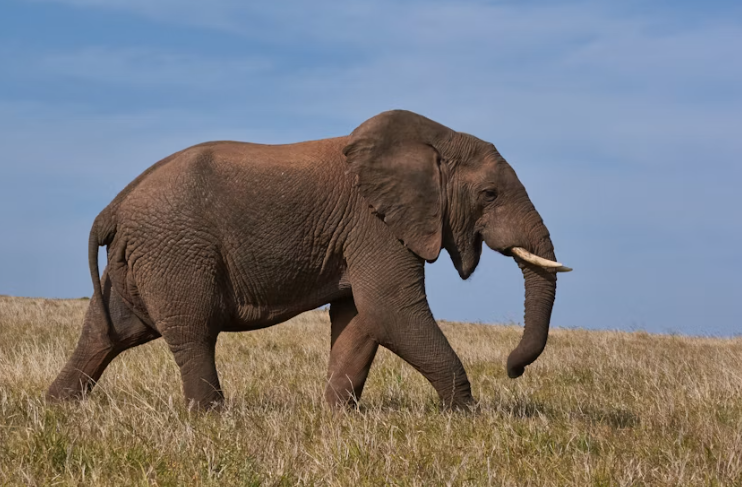
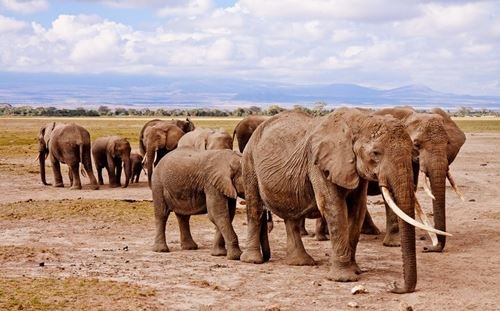
Elephant. The crater's elephants are among the most impressive in Tanzania. Older bulls with massive tusks are regularly seen, along with family groups moving between the forest and the grasslands. Because the crater is enclosed, the elephants are calm and accustomed to vehicles, allowing close and prolonged observation.

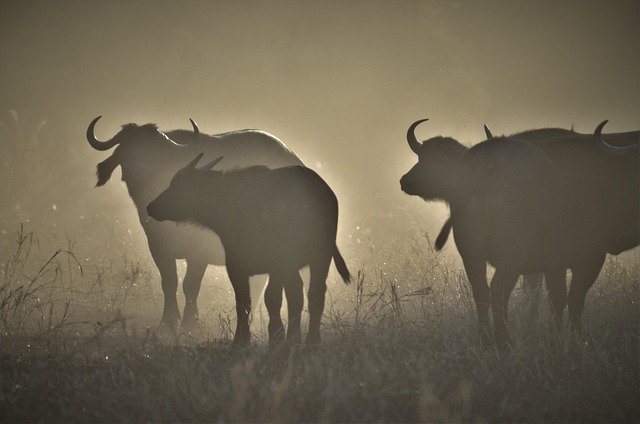
Buffalo. Buffalo herds in the crater can number in the hundreds. The sight of a herd moving across the grassland, with old bulls trailing and calves tucked in the centre, is one of the crater's signature spectacles. They are also a reminder of why the Big Five were named as they were — buffalo are unpredictable and dangerous, and the crater's open terrain makes their power visible.
Leopard. Leopards are the hardest of the Big Five to find in the crater, but they are present. The Lerai Forest and the acacia woodland along the crater's edges provide cover, and sightings, though not guaranteed, are more common than in many other parks. A leopard draped across a branch, unconcerned by the vehicles below, is one of the crater's most memorable images.
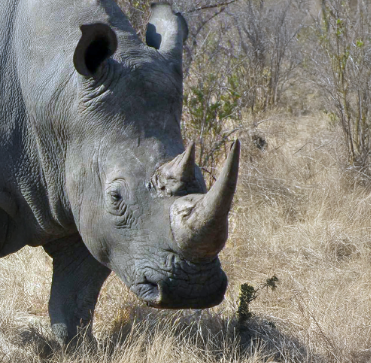
Rhinoceros. This is the crater's trump card. The black rhinoceros is critically endangered across Africa, with only a few thousand individuals remaining. Ngorongoro holds one of the healthiest and most accessible populations, estimated at 30 to 70 animals. Because the crater floor is open and the rhinos are not confined to dense bush, sightings are far more reliable here than almost anywhere else. For many travellers, the rhino is the moment that justifies the entire trip.
What Else You Will See
The Big Five are the headline, but the crater delivers far more. Hippos wallow in the Ngoitokitok Springs, where you will also stop for lunch. Flamingos gather on Lake Magadi, their pink forms visible from the rim. Hyenas patrol the grasslands. Cheetahs, though less common than in the Serengeti, are occasionally seen. Servals, jackals, and bat-eared foxes are present. And over 500 bird species have been recorded, from ostriches and crowned cranes to eagles and vultures.
The crater is also one of the best places in Tanzania to see the interaction between predators and prey. Because the terrain is open and the animals are concentrated, you are far more likely to witness a hunt, a standoff, or a scavenging dispute than in parks where vegetation hides the action.
Why It Works
Three factors make Ngorongoro the best Big Five destination in Africa.
First, density. The crater's enclosed ecosystem supports an extraordinary concentration of large animals. You do not need to drive for hours between sightings. You descend, and the wildlife is there.
Second, visibility. The crater floor is largely open grassland and swamp. Animals are visible at distance, and the caldera walls provide a natural frame that makes photography unusually rewarding. You can see the whole stage.
Third, reliability. Because the animals do not migrate, a single day in the crater offers a higher chance of a complete Big Five experience than a single day almost anywhere else. This is not luck. It is geology.
Photo Gallery