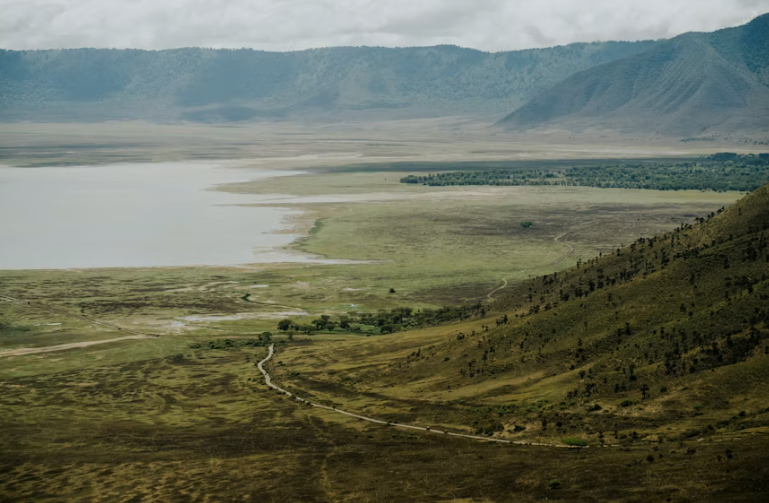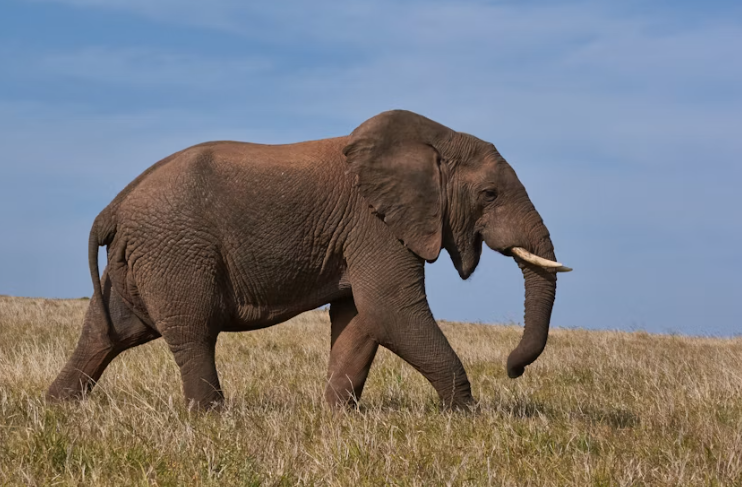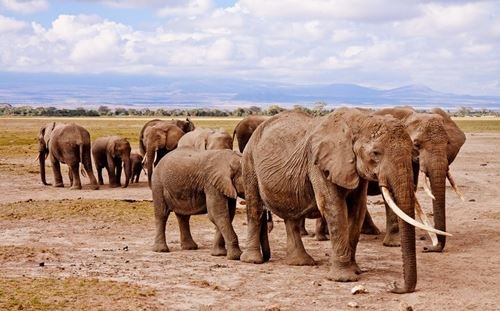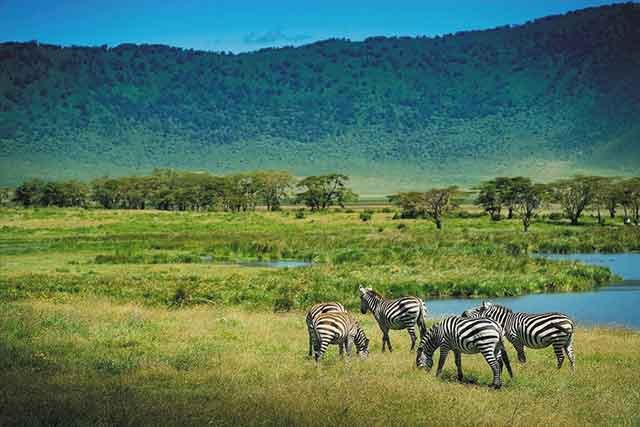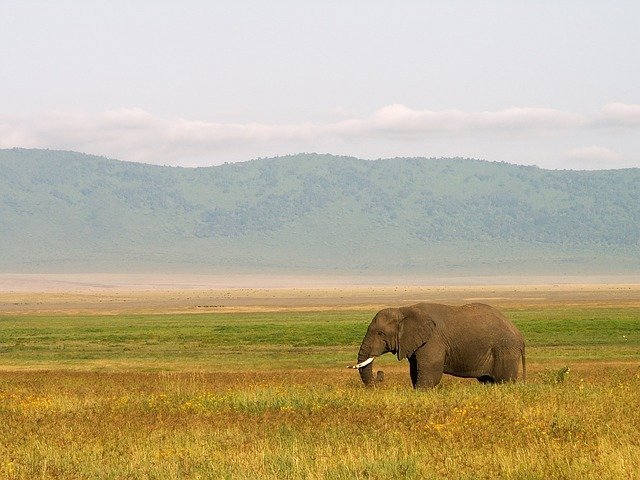
The Ngorongoro Crater is the world's largest inactive volcanic caldera, a 264-square-kilometer natural amphitheater enclosed by walls rising 600 meters . Because the ecosystem is self-contained, wildlife does not migrate in or out — the animals stay put year-round, making it one of the most reliable places on the continent to see large numbers of animals in a single day .
The crater is one of the very few places where seeing the Big Five — lion, leopard, elephant, buffalo, and rhino — in a single game drive is genuinely achievable . Sightings of four of the Big Five on a first safari day are common, and the black rhino population, approximately 30 to 70 individuals, represents one of the healthiest concentrations anywhere in Africa and by far the most accessible for tourist viewing . The crater is also visually stunning: standing on the rim at 2,300 meters, looking down into a near-perfect caldera with Lake Magadi often ringed with flamingos, is one of East Africa's most moving experiences .
The Honest Trade-Offs
Cost. Ngorongoro is the most expensive single day of most Tanzanian safaris. The conservation area charges $82.50 per adult per day plus a $295 per-vehicle crater service fee, with 18% VAT applied on top . For two adults in one vehicle, government fees alone can exceed $400 before accommodation or guide costs. This is not a budget-friendly stop .
Crowds and Time Pressure. The crater is popular, and during peak season (June–October and around December–January), vehicles concentrate on the crater floor . The six-hour limit on crater floor time, combined with fixed roads, can make the experience feel more like a circuit you complete than a wild landscape you explore . If you have already spent unhurried days in quieter sectors of the Serengeti, the contrast can be jarring .
The "Half-Day" Reality. Despite the cost and anticipation, the crater experience is often over by early afternoon. One traveler described it as "a spectacular, tightly controlled wildlife drive" rather than an extended immersion — the most impressive half-day game drive you are likely to have, but not the spiritual centerpiece of a safari .
Who Should Go
Go if: This is your first safari and you want the near-guarantee of seeing a lot of wildlife in a contained area . You have limited time and want to maximize sightings . The Big Five is your priority and you want the best odds in Africa . You are willing to pay a premium for density and reliability.
Reconsider if: You have already spent time in the Serengeti or other premier parks and value spacious wilderness over concentration . Your budget is tight and you want the best wildlife-per-dollar ratio. You dislike crowds or time restrictions on game drives.
Practical Tips to Maximize Value
Stay on the crater rim. Rim lodges allow you to be among the first vehicles descending at 6:00 AM, when animal activity is highest and rhino and big cats are most visible . Starting from Karatu or outside the conservation area means passing through the gate with the main wave of arrivals.
Arrive at gate opening. Predator activity peaks in the first two hours after sunrise .
Consider shoulder season. April and May offer fewer vehicles, lower lodge occupancy, and often discounted rates — you trade clearer skies for lusher, muddier conditions but gain a calmer atmosphere .
Pair it with a quieter park. Ngorongoro works best as part of a broader itinerary that includes Tarangire or less-trafficked Serengeti sectors, where you can stretch out without watching the clock .