One of the most common questions travellers ask when planning a Ngorongoro Crater safari is: Can you see the Big Five in Ngorongoro Crater?
The answer is yes. Ngorongoro Conservation Area is home to the African Big Five: lion, leopard, elephant, buffalo, and black rhinoceros. The crater is particularly well known for its high concentration of wildlife within a relatively compact natural environment.
However, seeing all five animals during one game drive is never guaranteed. Wildlife moves naturally, and some species are easier to spot than others.
What Are the Big Five?
The term Big Five traditionally refers to five African animals:
- Lion
- Leopard
- Elephant
- African buffalo
- Black rhinoceros
The name originally referred to the difficulty and danger of hunting these animals, but today it is widely used in the context of wildlife viewing and photography.
For many visitors, seeing the Big Five is one of the highlights of an African safari.
Can You See Lions in Ngorongoro Crater?
Yes. Lions are among the most commonly encountered large predators in the crater.
The grasslands provide suitable habitat for lions and their prey, making the Ngorongoro Crater lion population an important part of the area's wildlife experience. UNESCO describes Ngorongoro as having a particularly high density of mammalian predators and a notable lion population.
During a game drive, lions may be seen resting in the grass, near prey animals, or moving through different parts of the crater floor.
Early morning and later afternoon game drives can provide interesting opportunities to observe their natural behaviour.
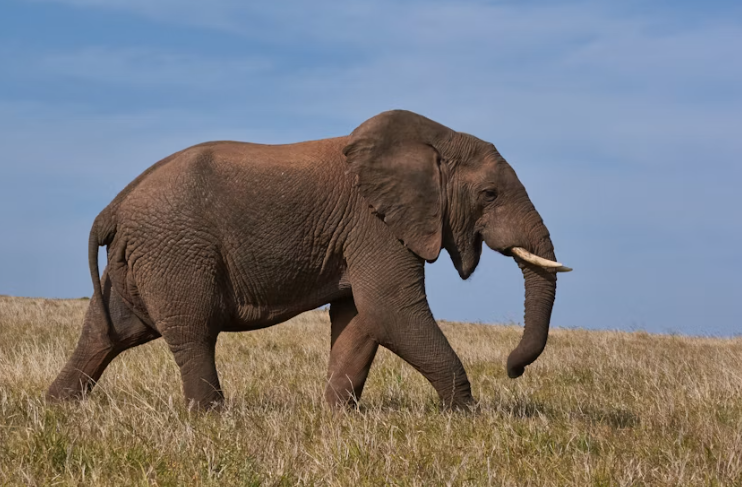
Can You See Elephants in Ngorongoro Crater?
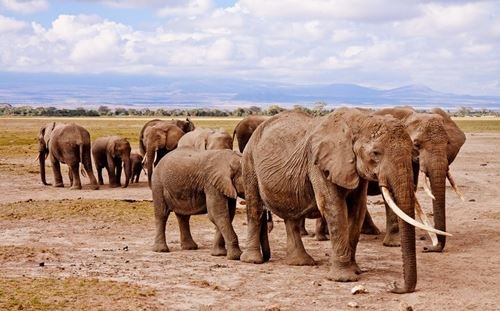
Yes, elephants are found in the Ngorongoro Conservation Area and can be encountered around the crater and surrounding areas.
Elephants may move through woodland and other suitable habitats while searching for food and water. Their large size makes them relatively easy to recognize when they are in an accessible viewing area.
Seeing an elephant against the dramatic backdrop of the crater landscape can also create excellent photography opportunities.
Can You See Buffaloes in Ngorongoro Crater?
African buffaloes are another member of the Big Five found in Ngorongoro.
Buffaloes are often associated with grassland and areas where suitable food and water are available. Large herds can create impressive scenes during a Ngorongoro Crater game drive.
Their presence also plays an important role in the ecosystem because they form part of the prey and grazing communities that interact with the area's predators.
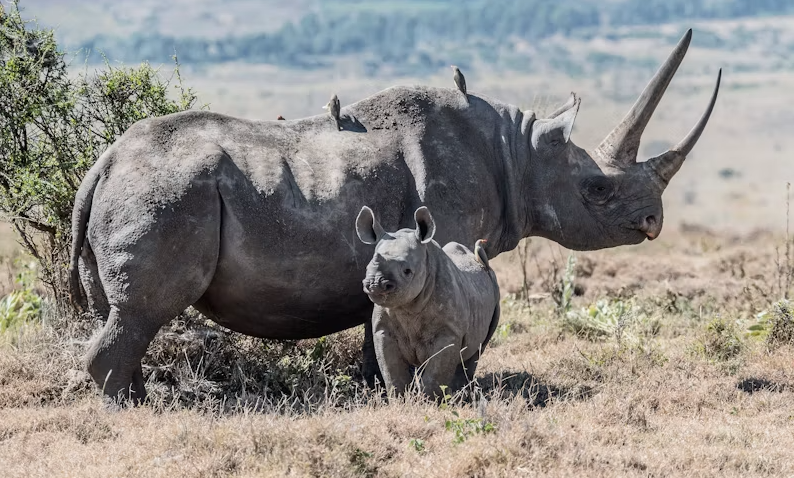
Can You See Black Rhinos in Ngorongoro Crater?
Yes. The black rhinoceros is one of the most special animals to look for during a Ngorongoro safari.
Ngorongoro is recognized internationally for its black rhino population, and UNESCO identifies the species as one of the globally threatened animals protected within the conservation area.
Rhinos can be more difficult to observe than some of the other Big Five because they may be farther away from safari vehicles or partly hidden by vegetation.
Visitors should therefore be patient and listen carefully to their safari guide when searching for them.
Can You See Leopards in Ngorongoro Crater?
Yes, leopards are present in the Ngorongoro Conservation Area, but they can be more difficult to spot.
Leopards are solitary and secretive animals. They can spend considerable time resting in vegetation or other concealed locations, making them less predictable during a game drive.
The Ngorongoro Conservation Area Authority lists leopards among the Big Five found in the conservation area.
This means that while a leopard sighting is possible, travellers should not expect to see one on every safari.
Is It Easy to See All Five?
Ngorongoro provides good opportunities to look for the Big Five because of its high concentration of wildlife and relatively compact crater environment. The Ngorongoro Lengai Geopark describes the crater as home to more than 25,000 animals and specifically identifies elephants, buffaloes, rhinos, lions and leopards among the Big Five.
However, seeing all five on the same day is not guaranteed.
The easiest species to encounter can vary depending on:
- Wildlife movements
- Time of day
- Weather conditions
- Vegetation
- Water availability
- Location within the crater
- How long you spend on game drives
A good safari guide can help identify areas where wildlife is currently active, but nature always remains unpredictable.
Which Big Five Animal Is Hardest to See?
There is no fixed answer because wildlife sightings change from day to day.
However, leopards are generally more challenging to locate because of their solitary and secretive behaviour. Black rhinos can also require patience because they may be some distance from the vehicle.
Lions and buffaloes are often easier to notice because they may occur in open areas, while elephants can be recognizable from a considerable distance.
This does not mean that one species is always difficult or easy to see. Every safari is different.
Why Is Ngorongoro Good for Big Five Safaris?
One of the advantages of a Ngorongoro Crater safari is the combination of a relatively compact wildlife area and diverse habitats.
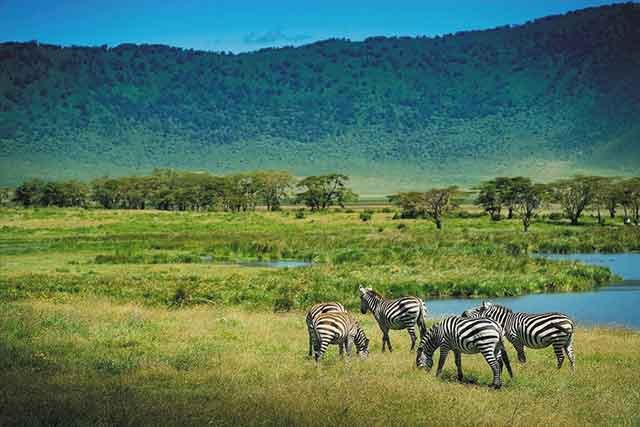
The crater contains grasslands, woodland, wetlands, and other environments that support different animal species. UNESCO recognizes the area for its density of wildlife and its global importance for biodiversity conservation.
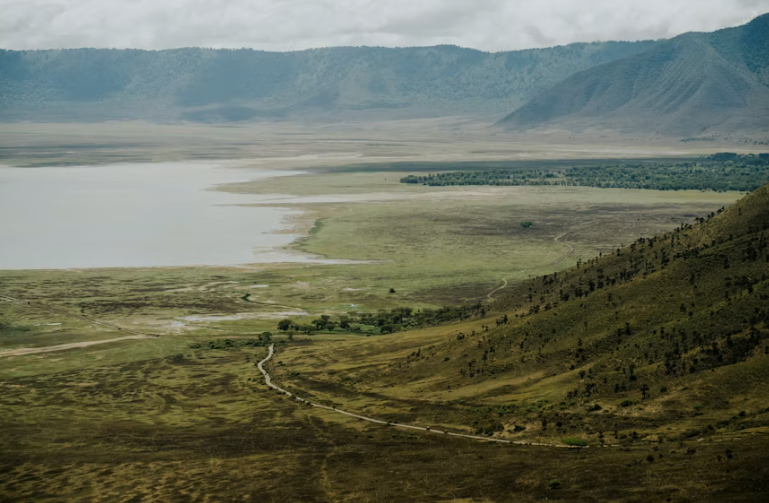
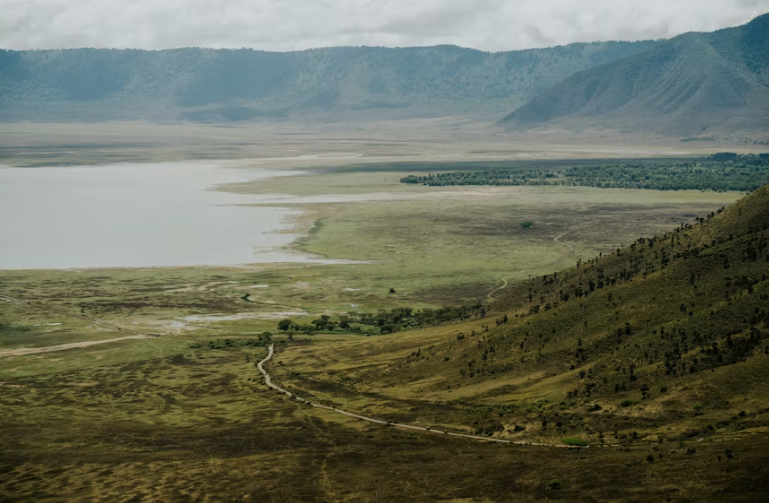
The crater's enclosed geological structure also creates a distinctive environment for wildlife viewing.
How Long Should You Spend Looking for the Big Five?
A full-day game drive can provide plenty of opportunities to search for different species.
However, travellers who are especially interested in wildlife photography or specific animals may prefer a longer itinerary that includes additional game drives.
Spending more time in the area does not guarantee seeing all five, but it gives you more opportunities to observe different habitats and wildlife behaviour.
What Other Animals Can You See in Ngorongoro?
The Big Five are only part of the wildlife experience.
During a Ngorongoro safari, visitors may also encounter:
- Wildebeest
- Zebras
- Hippos
- Hyenas
- Gazelles
- Elands
- Warthogs
- Cheetahs
- Antelopes
- Various bird species
The Ngorongoro Conservation Area Authority lists a wide range of mammals and birds within the conservation area, making the destination much more diverse than a Big Five checklist alone suggests.
Tips for Seeing the Big Five in Ngorongoro
If seeing wildlife is one of your main priorities, a few simple practices can improve the experience:
Start Early
Early morning game drives can provide opportunities to observe wildlife when many animals are active.
Be Patient
Wildlife sightings are not always immediate. Spending more time in promising areas can sometimes lead to unexpected encounters.
Listen to Your Guide
Professional safari guides have experience identifying animal tracks, behaviour, sounds, and suitable habitats.
Carry Binoculars
Some animals, especially rhinos and leopards, may be some distance from the vehicle. Binoculars can make distant sightings much more rewarding.
Respect Wildlife
Remain inside the safari vehicle unless your guide gives permission to leave it in a designated safe area. Keeping a respectful distance helps protect both visitors and animals.
Final Thoughts
So, can you see the Big Five in Ngorongoro Crater?
Yes. The Ngorongoro Conservation Area is home to lions, elephants, buffaloes, leopards, and black rhinoceros, making it an important destination for travellers interested in Big Five wildlife.
The crater's concentrated wildlife, diverse habitats, and dramatic volcanic landscape create excellent conditions for a memorable Ngorongoro Crater safari. However, seeing all five animals during one visit is never guaranteed because wildlife moves freely and some species are naturally more difficult to locate.
The real value of a Ngorongoro safari is therefore not simply completing a Big Five checklist, but experiencing wildlife in one of Tanzania's most remarkable natural landscapes.
Photo Gallery