The alarm goes off at 5:00 AM. Outside, the air on the crater rim is cold — 2,300 meters does that — and the sky is still black. Somewhere below, in the caldera that you cannot yet see, the night shift is ending. Lions are finishing their hunts. Hippos are returning to the springs. And in an hour, you will be down there with them.
This is a day in Ngorongoro Crater, told hour by hour.
5:30 AM — The Rim at Dawn
You dress in layers — fleece, jacket, maybe a hat — and step outside. The lodge sits on the rim, and the crater is a vast darkness below. Coffee is waiting in the dining room. Other guests are doing the same thing: checking cameras, tightening bootlaces, speaking in the low voices people use before dawn.
Breakfast is quick. Bread, eggs, fruit, tea. You eat without tasting it. The day ahead is the reason you came to Tanzania.
6:00 AM — The Descent
The gate opens, and your vehicle begins the descent. The road switchbacks down the crater wall, and as you drop, the light changes. First the rim is grey, then blue, then finally — as the sun clears the eastern wall — gold.
The forest on the upper slopes is dense and cool. Baboons sit in the trees. A bushbuck crosses the road and disappears. Then the forest opens, and you are on the crater floor.
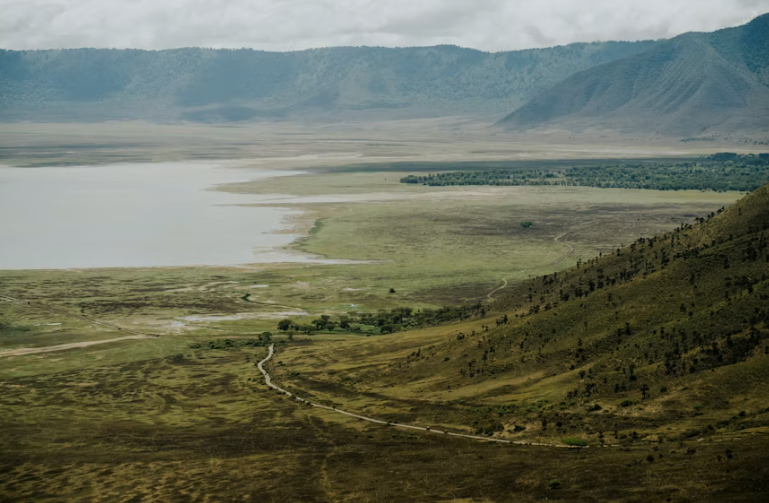
The first thing you notice is the scale. The walls behind you rise 600 meters. The floor stretches ahead for 260 square kilometers. And everywhere — absolutely everywhere — there are animals.
6:30 AM — The First Lions
A radio crackles. Another guide has found lions. You drive toward the sighting, and within minutes you are watching a pride of six — two females, three cubs, and a male with a dark mane — moving through the grass. The cubs are playful, tumbling over each other. The male is watchful, scanning the horizon. The females are focused, already thinking about the next hunt.
You watch for twenty minutes. Nobody speaks. The engine is off. The only sound is the wind and the occasional grunt of a lioness communicating with her cubs.
This is the crater's gift: the animals do not hide. They go about their lives, and you are simply there to see it.
7:30 AM — The Rhino
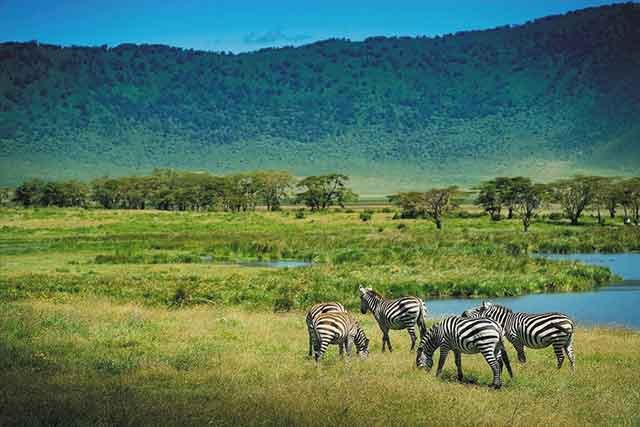
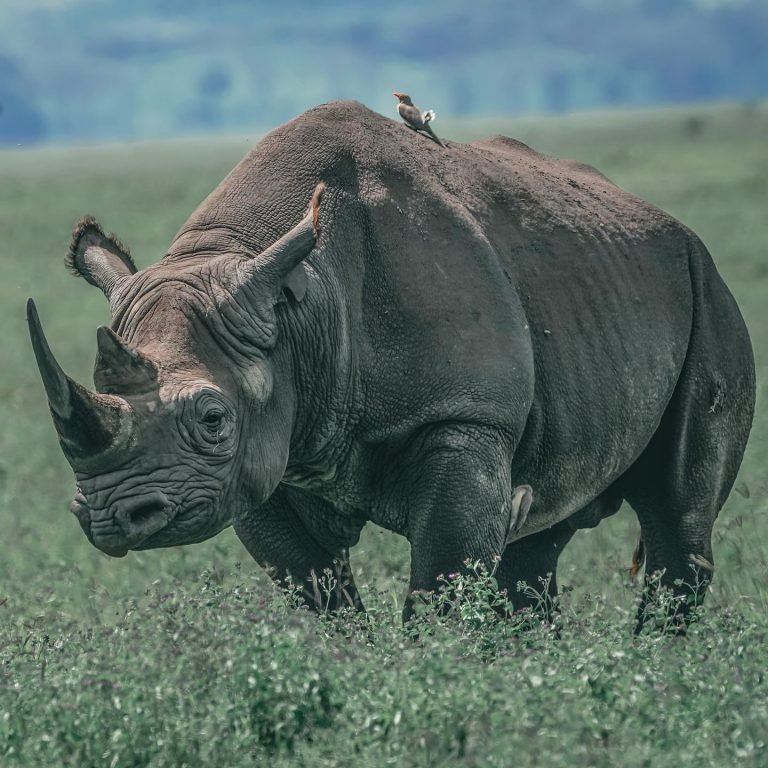
The radio crackles again. Rhino. You drive across the grassland, past herds of zebra and wildebeest, past buffalo grazing in the distance, and then — there it is. A black rhinoceros, grazing alone, its head low and its horn visible against the morning light.
The rhino is critically endangered. Fewer than 6,000 remain in Africa. Ngorongoro holds one of the most accessible populations, and seeing one in the open, unhurried and undisturbed, is a privilege that few safari experiences can match.
You watch until the rhino moves into taller grass and disappears. Nobody in the vehicle says anything for a while.
9:00 AM — Elephants and Hyenas
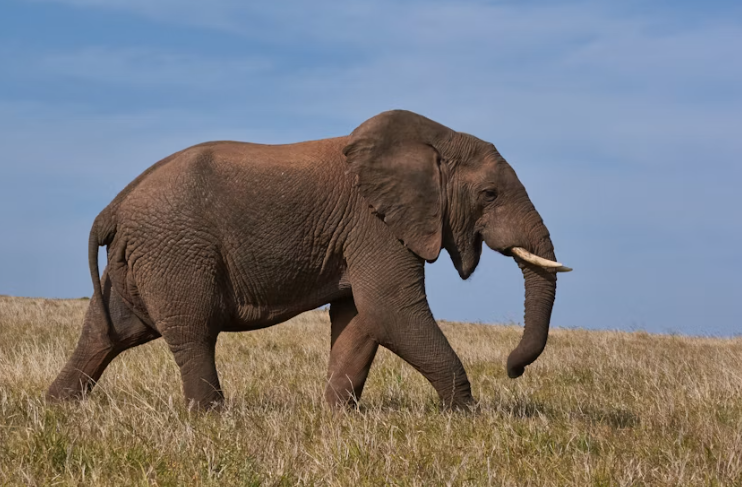
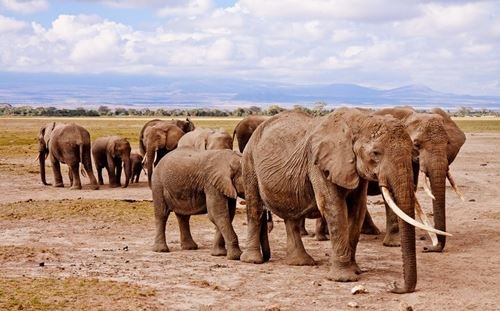
The morning continues. An elephant family crosses the road, the matriarch leading, calves tucked between the adults. A hyena trots past with something in its mouth. A pair of ostriches runs across the grassland. Flamingos line the shores of Lake Magadi, their pink forms reflected in the water.
You stop for a break at a designated site. Tea and biscuits are served from the back of the vehicle. The sun is higher now, and the crater is warming up. The animals are slowing down.
11:00 AM — The Hippo Pool
Lunch is at Ngoitokitok Springs, a freshwater pool where hippos wallow and birds gather. Tables are set under the trees, and you eat while watching hippos surface and submerge, their ears flicking, their eyes just above the waterline.
Black kites circle overhead, hoping for scraps. A monitor lizard walks past the tables. The whole scene feels almost domestic — until you remember that everything around you is wild.
1:00 PM — The Long Grass
After lunch, you drive deeper into the crater, toward the areas where the grass is taller and the tourists are fewer. You find a cheetah resting on a termite mound, scanning the plains for prey. You find a family of warthogs running in a line, tails up. You find a herd of eland, the largest antelope in Africa, moving slowly through the grass.
The afternoon light is softer now, and the crater has a different feeling. The morning was about action. The afternoon is about stillness.
3:00 PM — The Ascent
The six hours are up. You drive back toward the crater wall and begin the ascent. The road is steep, and the view behind you is extraordinary — the whole caldera spread out below, with Lake Magadi in the centre and the walls rising on every side.
At the rim, you stop one last time. The light is golden now. The crater is quieter than it was in the morning. The animals are still down there, but from this height, they are invisible.
5:00 PM — The Rim at Sunset
Back at the lodge, you shower and change. The evening is cool again. You sit on the terrace with a drink and watch the sun set over the crater. The sky turns orange, then pink, then deep purple. A Maasai guide tells you about the crater's history, about the days when it was a volcano, about the people who have lived on its rim for generations.
You think about the rhino, the lions, the hippos, the flamingos. You think about the cubs tumbling in the grass. You think about how strange it is that a place so beautiful can also be so brutal.
8:00 PM — Dinner and Sleep
Dinner is served in the dining room. The conversation is about the day — what you saw, what you missed, what you will remember. There is wine. There is laughter. There is the quiet satisfaction of a day that was exactly what it was supposed to be.
By 10:00 PM, you are in bed. Outside, the crater is dark. The animals are still there, still moving, still hunting and grazing and surviving. Tomorrow, another group of travellers will descend at dawn. Tonight, you have the memory.
The Next Morning
You wake at 5:00 AM. The crater is still there. The day begins again.
Ready to experience a day on the crater floor? Contact Winter Trails Tours and Safaris to plan your Ngorongoro Crater safari today.