Every year, over 50,000 people attempt to climb Mount Kilimanjaro. Only about two-thirds of them reach Uhuru Peak at 5,895 meters. That means roughly one in three climbers turns back — most often due to altitude sickness, exhaustion, or choosing a route that's too short.
The overall Kilimanjaro success rate sits between 65% and 70% across all routes and operators. But that average hides enormous variation. Some routes and operators achieve success rates above 90%, while others see fewer than half of their climbers summit.
This guide breaks down the real success rate data, explains why so many climbers fail, and shows you exactly how to beat the odds.
The Overall Kilimanjaro Success Rate
| Metric | Percentage |
|---|---|
| Overall summit success (all routes, all operators) | 65–70% |
| Success rate for climbers on 5-day routes | 27–50% |
| Success rate for climbers on 7–8 day routes | 70–85% |
| Success rate for climbers on 9–10 day routes | 85–95% |
| Success rate for climbers using reputable operators | 75–85% |
| Success rate for climbers using budget operators | 50–65% |
The pattern is undeniable: The longer your route and the better your operator, the higher your chance of standing on Uhuru Peak.
Success Rate by Route
| Route | Days | Summit Success Rate | Why |
|---|---|---|---|
| Marangu | 5–6 | 55–60% | Shortest route, rapid ascent, poor acclimatisation |
| Machame | 6–7 | 65–70% | Better than Marangu, but 6-day version is still too short |
| Rongai | 6–7 | 75–80% | Quieter, gentler gradient, better acclimatisation |
| Lemosho | 7–8 | 70–75% | Excellent balance of scenery, acclimatisation, and success |
| Northern Circuit | 9–10 | 80–95% | Best acclimatisation, highest success rate |
| Umbwe | 6–7 | 60–65% | Steep, direct, poor acclimatisation, for experienced climbers only |
| Shira | 7–8 | 70–75% | Similar to Lemosho, less crowded |
Source: Himalayan Glacier, Kilimanjaro National Park data, and operator reports.
The Northern Circuit and Lemosho routes consistently produce the highest success rates. The Marangu route, despite being the cheapest and most comfortable (huts), has the lowest success rate because most climbers choose the 5-day version, which doesn't allow enough time for acclimatisation.
Why Do So Many Climbers Fail?
1. Altitude Sickness
Altitude is the number one reason climbers fail. At 5,895 meters, the air contains roughly 40% less oxygen than at sea level. More than half of all climbers experience some form of altitude sickness. If symptoms become severe, the only cure is descent — and that means no summit.
The fix: Choose a longer route (7–9 days) and walk slowly.
2. Short Itineraries
Many climbers choose 5- or 6-day routes to save money or time. But these routes ascend too quickly for most people to acclimatise. The result: a success rate as low as 27% on 5-day Marangu climbs.
The fix: Add at least two extra days to your itinerary. The cost is worth it.
3. Poor Fitness
You don't need to be an athlete, but you do need to be able to walk 5–8 hours per day for 6–9 consecutive days, including a 12–16 hour summit night. Climbers who arrive undertrained often fatigue early and are forced to turn back.
The fix: Start training 12–16 weeks before your climb. Focus on long hikes with elevation gain.
4. Choosing a Cheap Operator
Budget operators cut corners: fewer guides, fewer porters, poor equipment, no oxygen, no pulse oximeters, and no evacuation plans. These shortcuts directly reduce your chance of summiting — and can put your life at risk.
The fix: Choose a reputable mid-range or luxury operator with a proven safety record and high success rates.
5. Ignoring Symptoms
Some climbers push through early symptoms of altitude sickness, hoping they'll pass. They usually don't. By the time they admit they're struggling, it's often too late to continue.
The fix: Tell your guide immediately if you feel unwell. Early intervention — rest, hydration, medication, or descent — can save your summit.
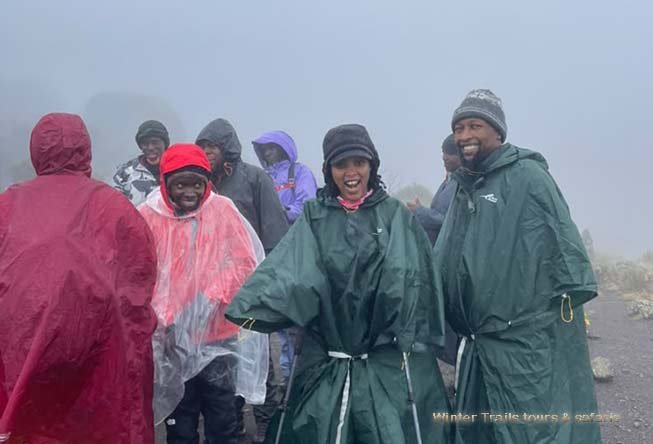
6. Bad Weather
Rain, snow, and high winds can force climbers to turn back, especially on summit night. While you can't control the weather, you can choose a dry season (June–October, January–mid-March) to improve your odds.