Mount Meru is often described as Kilimanjaro's little sibling, but that undersells it. Standing at 4,566 meters, it is the second-highest peak in Tanzania and the fifth-highest in Africa. In some ways, it is a tougher climb than its famous neighbour. The trails are steeper, the summit ridge is narrow and exposed, and the entire mountain sits within Arusha National Park, meaning you'll share the path with giraffes, buffalo, and colobus monkeys.
Where Is Mount Meru?
Mount Meru is located in northern Tanzania, approximately 70 kilometers west of Kilimanjaro and just a 40-minute drive from Arusha. The mountain lies entirely within Arusha National Park, one of Tanzania's most accessible and wildlife-rich protected areas.
| Feature | Details |
|---|---|
| Elevation | 4,566 meters (14,980 ft) |
| Location | Arusha National Park, Tanzania |
| Nearest City | Arusha (40 km) |
| Mountain Type | Active stratovolcano |
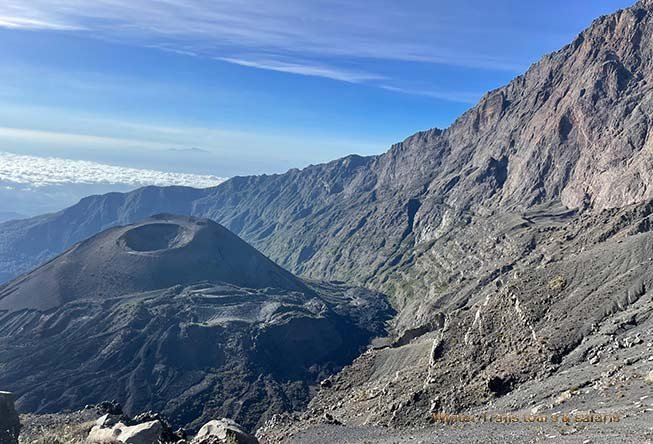
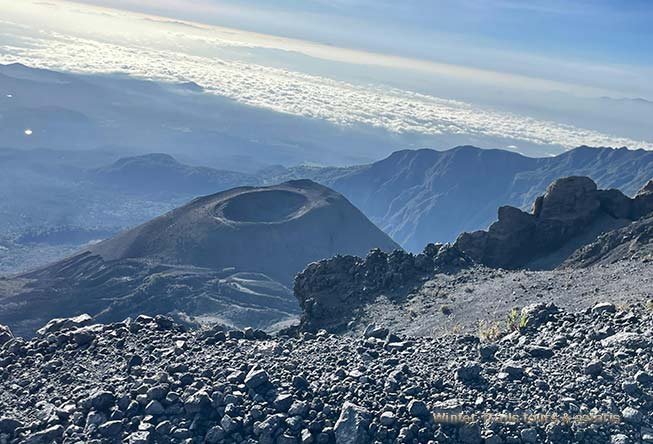
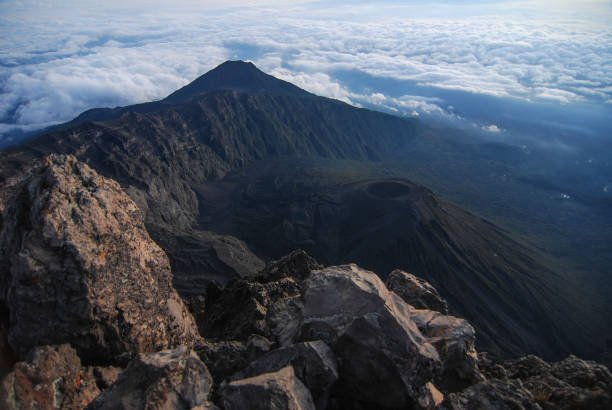
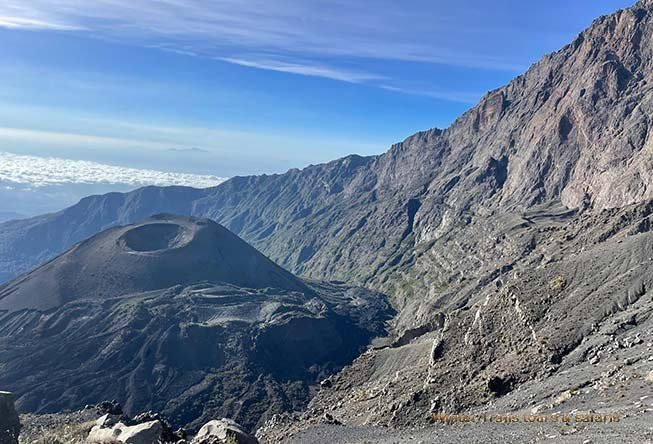
| Unique Feature | Horseshoe-shaped crater with an inner ash cone |
Because the trek passes through the national park, you'll need to pay Arusha National Park entry fees — currently $50 USD per day for non-residents. These fees are included in most trekking packages.
Why Trek Mount Meru?
Mount Meru offers a distinct experience from Kilimanjaro.
Excellent Acclimatisation for Kilimanjaro: If you're planning to climb Kilimanjaro, summiting Meru first is one of the smartest things you can do. At over 4,500 meters, it provides meaningful altitude exposure that helps your body produce more red blood cells before tackling 5,895 meters.
Fewer Climbers and a Quieter Trail: While Kilimanjaro's Marangu Route can feel like a highway during peak season, Meru sees a fraction of the traffic. You'll often have the trail and even the summit to yourself.
Wildlife Encounters on Foot: Because Meru lies within Arusha National Park, the lower slopes are teeming with wildlife. It's not uncommon to walk past giraffes browsing on acacia trees or to spot buffalo in the forest clearings.
Dramatic Scenery and Technical Sections: Meru's horseshoe crater is a spectacular geological feature. The summit push involves traversing a narrow ridge with some exposure — sections where you'll use chains for security.
| Aspect | Mount Meru | Kilimanjaro |
|---|---|---|
| Elevation | 4,566 m | 5,895 m |
| Duration | 3–4 days | 5–9 days |
| Technical Difficulty | Steeper, crater rim traverse with chains | Gradual slopes, less technical |
| Crowds | Low | High |
| Wildlife on Trail | Abundant | Minimal |
| Ranger Required | Yes (armed) | No |
Trekking Routes
There is only one established route for climbing Mount Meru: the Momella Route. Every climber follows the same path, starting at Momella Gate and ascending through the rainforest to the crater rim.
| Route Detail | Information |
|---|---|
| Starting Point | Momella Gate (Arusha National Park) |
| Ending Point | Socialist Peak (4,566 m) |
| Total Distance | ~35 km round trip |
| Elevation Gain | ~3,000 meters |
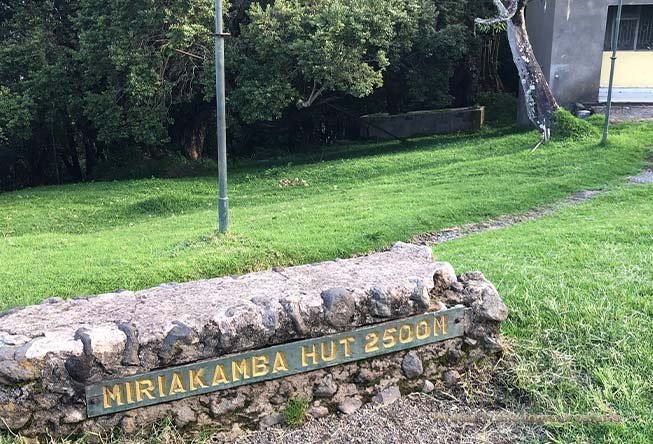
| Huts | Miriakamba Hut (2,514 m) and Saddle Hut (3,570 m) |
Trekking Itinerary
Most climbers complete the trek in three days, though park regulations officially require a minimum of four days. The four-day version simply splits the final descent with an extra overnight at Miriakamba Hut.
Day 1: Momella Gate to Miriakamba Hut
- Starting Elevation: ~1,500 m
- Ending Elevation: ~2,514 m
- Distance: ~10 km
- Hiking Time: 4–5 hours
After registering at Momella Gate and meeting your team — including the armed ranger who will escort you to Saddle Hut — you'll set off through grasslands where giraffes and buffalo are commonly seen. The trail then enters dense rainforest, home to black-and-white colobus monkeys and blue monkeys.
Day 2: Miriakamba Hut to Saddle Hut
- Starting Elevation: 2,514 m
- Ending Elevation: 3,570 m
- Distance: ~8 km
- Hiking Time: 3–4 hours
The trail steepens as you leave the forest and enter giant heather and moorland. You'll reach Saddle Hut by early afternoon, leaving plenty of time to rest. An acclimatisation hike to Little Meru (3,820 m) is highly recommended — this 45-minute ascent helps your body adjust to the altitude.
Day 3: Summit Attempt and Descent
- Wake-up: 12:00–1:00 AM
- Summit Elevation: 4,566 m (Socialist Peak)
- Ascent Time: 5–6 hours
- Full Descent to Gate: 4–5 additional hours
You'll hike in complete darkness with headlamps, ascending steeply to Rhino Point and then traversing the narrow crater rim. Sections of this ridge require holding chains for security — there's real exposure here. As dawn breaks, Kilimanjaro emerges on the horizon. At the summit, Socialist Peak offers 360-degree views of the crater, the inner ash cone, and the Tanzanian plains below.
Best Time to Trek
Mount Meru can be climbed year-round, but conditions vary significantly by season.
| Season | Months | Conditions | Recommendation |
|---|---|---|---|
| Dry Season (Best) | June–October | Clear skies, excellent visibility, dry trails | Ideal for trekking and summit views |
| Short Dry Season | January–February | Warm, mostly dry, good conditions | Good alternative |
| Long Rains (Avoid) | March–May | Heavy rainfall, muddy trails, poor visibility | Not recommended |
| Short Rains | November | Occasional showers; still trek-able | Lower prices, fewer climbers |
Difficulty
Mount Meru is often underestimated because of its lower elevation relative to Kilimanjaro. That's a mistake. The trail is steeper, the summit day is longer and more technical, and the crater rim traverse requires a head for heights.
Key difficulty factors:
- Steep Terrain: The ascent from Saddle Hut to the summit gains over 1,000 meters in just a few kilometers.
- Crater Rim Exposure: The traverse from Rhino Point to Socialist Peak is narrow, with steep drop-offs on both sides. Chains provide security, but those with a fear of heights may find it challenging.
- Altitude: At 4,566 meters, altitude sickness is a real possibility.
- Long Summit Day: From midnight wake-up to final descent, summit day can take 10–12 hours.
Meru vs. Kilimanjaro — which is harder? Meru's summit night is harder than any single day on Kilimanjaro's standard routes. But Kilimanjaro's cumulative altitude and longer duration make it a different kind of challenge.
Trekking Cost (2026)
Unlike Kilimanjaro, where costs can spiral depending on route and operator, Mount Meru pricing is relatively standardized.
| Trek Type | Approximate Cost (per person) | What's Included |
|---|---|---|
| Budget Group Trek (3–4 days) | $900–$1,200 | Shared guide, huts, meals, park fees, transfers |
| Standard Climb (4–5 days) | $1,100–$1,300 | Private or small group, better logistics |
| Premium / Extended Package | $1,300–$1,600+ | Private climb, premium meals, safari add-ons |
What's typically included: Park entry fees, armed ranger escort, guide, cook, porters, hut accommodation, all meals, and transfers to/from Arusha.
Extra costs to budget for: Tips ($150–$200 total), hotel in Arusha ($50–$150 per night), gear rental, and travel insurance.
Wildlife You May See
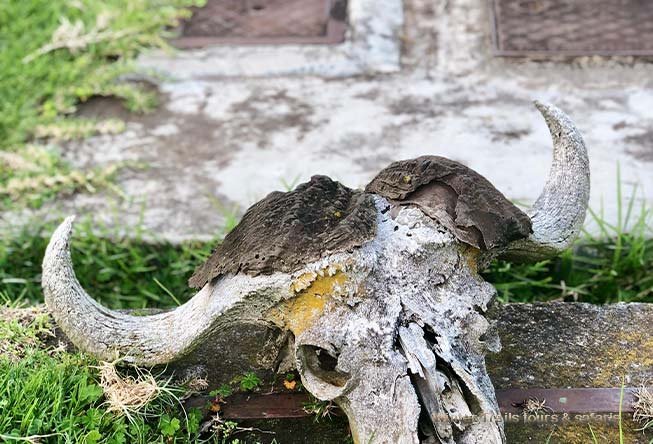
One of Meru's greatest joys is the chance to see African wildlife on foot. An armed ranger must accompany all climbers from Momella Gate to Saddle Hut for protection.
| Animal | Likelihood | Typical Location |
|---|---|---|
| Giraffe | High | Open grasslands near the trailhead |
| Buffalo | Moderate | Forest edges and clearings |
| Warthog | High | Lower slopes |
| Blue Monkey | High | Rainforest sections |
| Black-and-White Colobus | High | Forest canopy |
| Elephant | Rare | Lower elevations |
Packing List
Packing for Meru is similar to Kilimanjaro, but you can leave some extreme cold-weather gear at home. Summit night temperatures typically drop to around -5°C to 0°C.
Essential gear:
- Sturdy, broken-in, waterproof hiking boots
- Daypack (25–35L)
- Headlamp with fresh batteries
- Trekking poles
- Sleeping bag rated to at least 0°C
- Warm layers (fleece, down jacket, thermal base layers)
- Waterproof jacket and pants
- Sun protection (hat, sunglasses, sunscreen)
- Hydration system (2–3 liters)
- Water purification (tap water at huts is not potable)
- Power bank (no electricity in huts)
Travel Tips
Before you go: Spend at least one full day in Arusha (1,400 m) to acclimatise. Hire experienced guides by reading recent reviews and asking about summit success rates. Combine with a safari — a Meru trek pairs perfectly with Serengeti or Ngorongoro.
On the mountain: Embrace "pole pole" (slowly, slowly). Hydrate constantly (3–4 liters per day). Listen to your body and tell your guide immediately if you feel unwell. Bring earplugs — huts can be noisy.
Tipping guidelines: Guide ($15–20 per day), Cook ($10–15 per day), Porter ($8–10 per day), Ranger ($10–15 total).