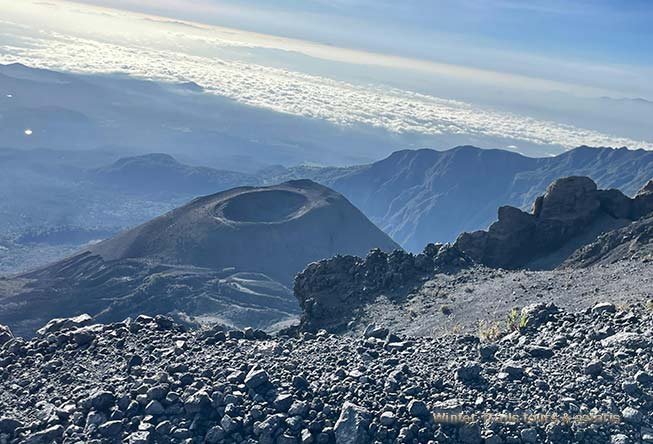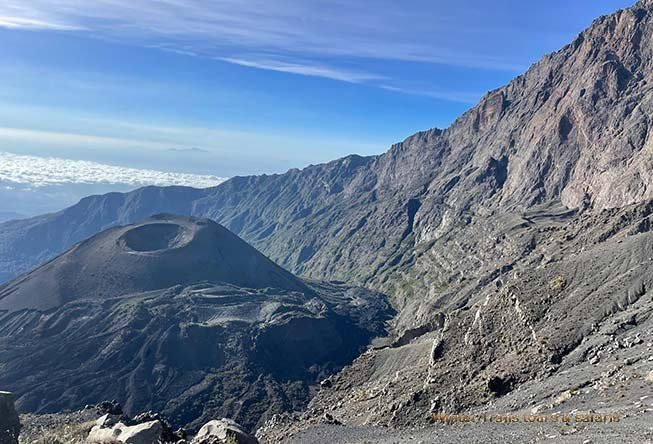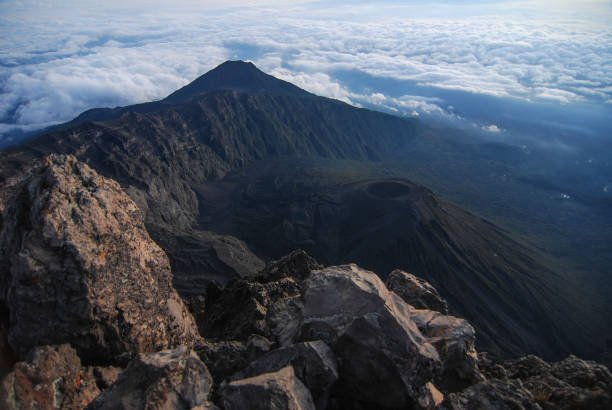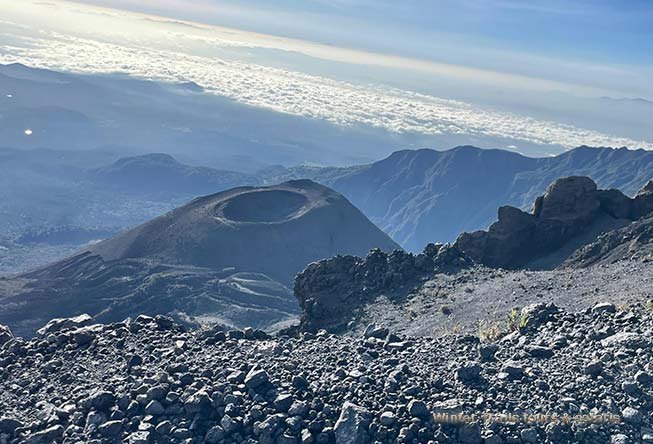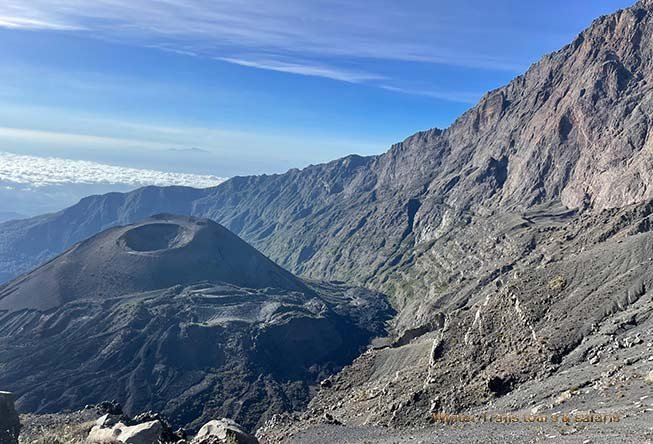
Mount Meru is not just a warm-up for Kilimanjaro. It is a formidable trek in its own right — steeper, wilder, and often more technical than its famous neighbour. At 4,566 meters, it rewards those who take it seriously with dramatic crater views, wildlife encounters on foot, and a sense of solitude that is increasingly rare in East African trekking.
This guide is packed with practical tips to help you conquer Mount Meru safely and successfully. From preparation and packing to altitude management and summit-day strategy, here's everything you need to know.
Why Mount Meru Deserves Your Attention
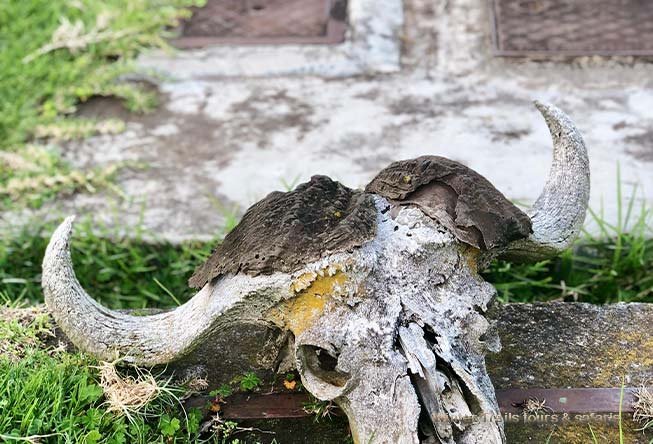
Mount Meru is often treated as an afterthought — a quick acclimatisation trek before Kilimanjaro. But that undersells it. The Momella Route is steeper and more exposed than any single day on Kilimanjaro's standard routes. The crater rim traverse involves sections with chains, real drop-offs, and narrow ridges. And because the trek passes through Arusha National Park, you'll walk among giraffes, buffalo, and colobus monkeys.
Key reasons to climb Meru:
- Excellent acclimatisation for Kilimanjaro
- Far fewer crowds than Kilimanjaro
- Wildlife viewing on foot
- Dramatic volcanic scenery
- Shorter duration (3–4 days)
If you have the time, Meru is worth doing for its own sake — not just as a stepping stone.
Trekking Overview: The Momella Route
There is only one route up Mount Meru: the Momella Route. Everyone climbs the same path, starting at Momella Gate and ascending through rainforest, moorland, and alpine desert to Socialist Peak.
| Detail | Information |
|---|---|
| Start | Momella Gate (Arusha National Park) |
| End | Socialist Peak (4,566 m) |
| Distance | ~35 km round trip |
| Duration | 3–4 days |
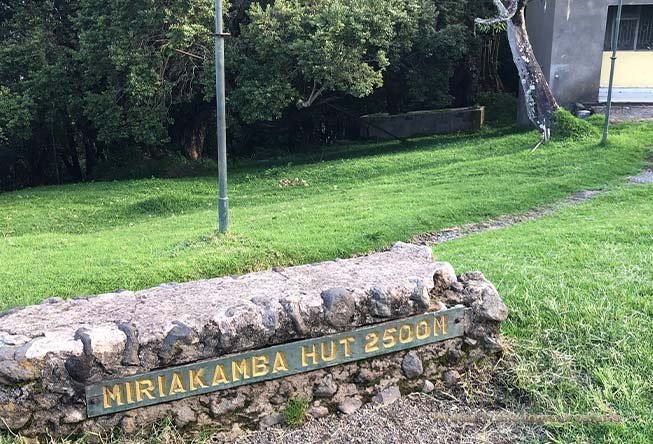
| Huts | Miriakamba Hut (2,514 m), Saddle Hut (3,570 m) |
| Ranger | Armed ranger required |
The standard itinerary is three days, but park regulations require a minimum of four days. The four-day version splits the descent with an extra night at Miriakamba Hut, making the final day less punishing.
Preparation and Training
Mount Meru is not a walk in the park. The summit day is long, steep, and exposed. You need to prepare properly.
Fitness requirements:
- Ability to hike 5–7 hours per day for consecutive days
- Comfortable with steep ascents and descents
- Good balance and head for heights (for the crater rim)
Training plan:
- Start 8–12 weeks before your trek
- Focus on cardio (hiking, stair climbing, cycling)
- Add leg strength work (squats, lunges, step-ups)
- Practise hiking with a pack on varied terrain
- If possible, do a practice hike at altitude
Mental preparation:
- Summit day starts at midnight. You'll hike in the dark for 5–6 hours.
- The crater rim is exposed. If you're afraid of heights, prepare mentally.
- Altitude can affect anyone. Be honest about how you feel.
Gear and Packing
Packing for Meru is similar to Kilimanjaro, but you can leave extreme cold-weather gear at home. Summit temperatures are around -5°C to 0°C.
Essential gear:
- Broken-in, waterproof hiking boots
- Daypack (25–35L)
- Headlamp with spare batteries
- Trekking poles
- Sleeping bag rated to 0°C
- Warm layers (fleece, down jacket, thermal base)
- Waterproof jacket and pants
- Hat, sunglasses, sunscreen
- Hydration system (2–3L)
- Water purification (hut water is not potable)
- Power bank (no electricity in huts)
- Earplugs (huts can be noisy)
- Snacks (energy bars, nuts, chocolate)
What to leave behind:
- Heavy mountaineering boots (not needed)
- Excessive clothing (you'll wear the same layers)
- Valuables (leave at hotel)
- Drone (requires permit)
Safety and Altitude
Altitude sickness is a real risk on Meru. The summit is 4,566 meters — high enough to cause symptoms in anyone.
Tips to manage altitude:
- Ascend slowly ("pole pole")
- Drink 3–4 litres of water per day
- Eat regularly, even if you're not hungry
- Consider Diamox (consult your doctor)
- Do the acclimatisation hike to Little Meru (3,820 m) on Day 2
- Tell your guide immediately if you feel unwell
- Descend if symptoms worsen
Other safety considerations:
- An armed ranger accompanies all groups due to wildlife
- Buffalo and elephants can be dangerous — stay close to your ranger
- The crater rim has exposed sections — use the chains and take your time
Tips for a Successful Climb
- Arrive in Arusha at least one day early. This gives your body a chance to adjust to 1,400 meters before the trek.
- Choose the four-day itinerary if you can. The extra night at Miriakamba Hut makes the descent less brutal.
- Do the Little Meru acclimatisation hike. It's only 45 minutes and helps your body adjust.
- Start summit day early. Most groups leave Saddle Hut at midnight. Don't delay.
- Layer up for summit night. It's cold, windy, and dark. Wear everything.
- Bring gloves and a warm hat. Your extremities will feel the cold first.
- Use trekking poles on the descent. They save your knees on the steep sections.
- Stay hydrated. Drink before you're thirsty.
- Eat snacks on the trail. Energy bars, nuts, and chocolate are easy to digest.
- Listen to your guide. They know the mountain and they know altitude sickness.
Cost and Logistics
Mount Meru is more affordable than Kilimanjaro, but costs vary by operator and group size.
| Trek Type | Cost per Person (USD) |
|---|---|
| Budget Group Trek (3–4 days) | $900–$1,200 |
| Standard Private Climb | $1,100–$1,300 |
| Premium Package | $1,300–$1,600+ |
What's typically included:
- Park entry fees
- Armed ranger
- Guide, cook, porters
- Hut accommodation
- All meals
- Transfers from Arusha
Extra costs:
- Tips ($150–$200)
- Hotel in Arusha
- Gear rental
- Travel insurance
Best time to climb:
- June to October (dry season)
- January to February (short dry season)
- Avoid March to May (long rains)
Final Thoughts
Mount Meru is a challenging, rewarding, and often underrated trek. With proper preparation, the right gear, and a healthy respect for altitude, you can conquer this beautiful mountain safely. Whether you're using it as acclimatisation for Kilimanjaro or as a standalone adventure, Meru will leave you with memories that last a lifetime.
Ready to conquer Mount Meru? Contact Winter Trails Tours and Safaris to plan your trek, arrange logistics, and get expert guidance from start to summit.