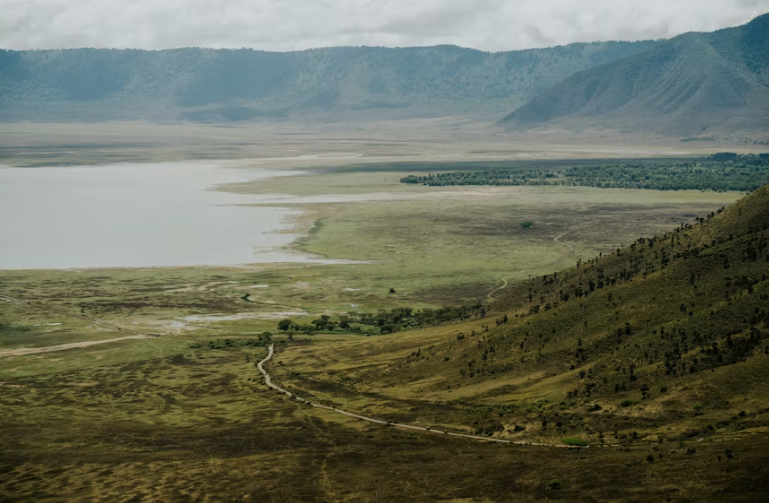
Tanzania is home to several remarkable safari destinations, but Ngorongoro Crater offers an experience that is different in many ways. Its dramatic volcanic landscape, enclosed ecosystem, high concentration of wildlife, and connection to human history make a Ngorongoro safari more than a traditional game-drive experience.
Located within the wider Ngorongoro Conservation Area, the crater combines wildlife, geology, culture, and archaeology in a relatively compact landscape.
So, what makes Ngorongoro Crater different from other safari destinations?
1. A Safari Inside a Massive Natural Caldera
One of the most distinctive features of Ngorongoro is its geological structure.
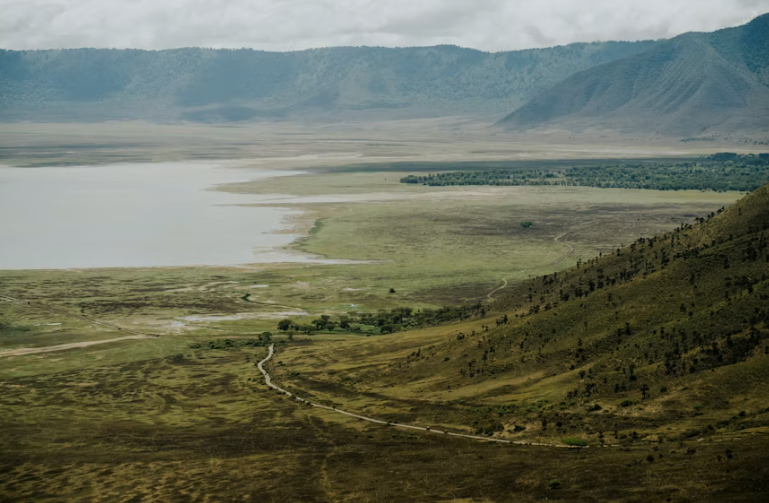
The crater is the world's largest unbroken caldera, created by ancient volcanic activity and the collapse of a large volcanic structure. Its crater floor covers approximately 250 square kilometres and is surrounded by steep walls.
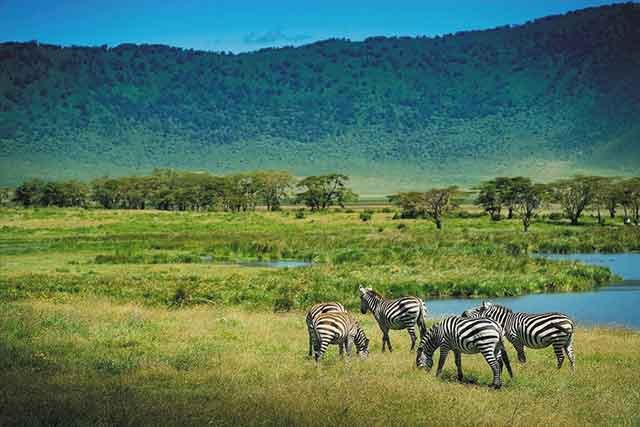
Instead of driving across an open landscape for hours, visitors descend into a huge natural enclosure where grasslands, woodland, wetlands, and water sources create different habitats.
This gives a Ngorongoro Crater safari a very distinctive visual character.
2. Wildlife Is Concentrated Within the Crater
Another important difference is the concentration of wildlife within the crater.
The crater's varied habitats support large numbers of animals throughout the year. UNESCO identifies the area as being globally important for biodiversity and notes the high density of wildlife inhabiting the crater and surrounding areas.
During a game drive, visitors may encounter:
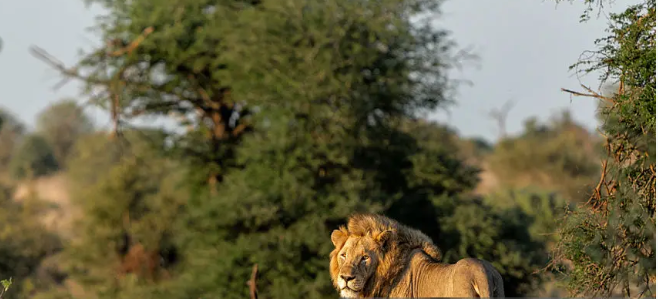
- Lions
- Buffaloes
- Zebras
- Wildebeest
- Hippos
- Hyenas
- Gazelles
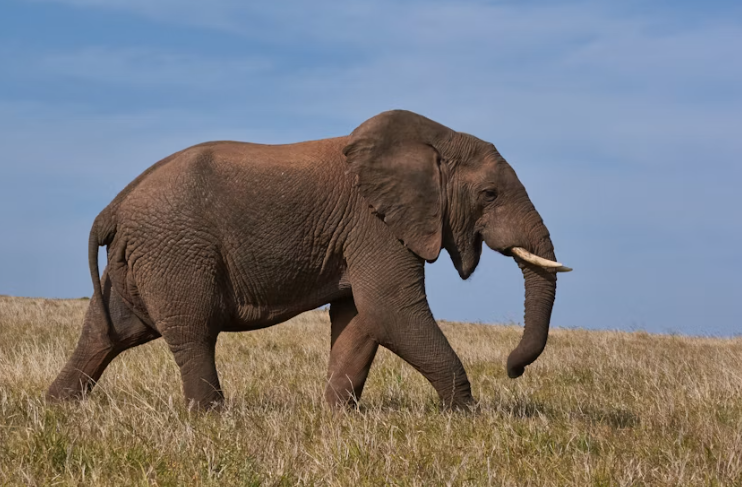
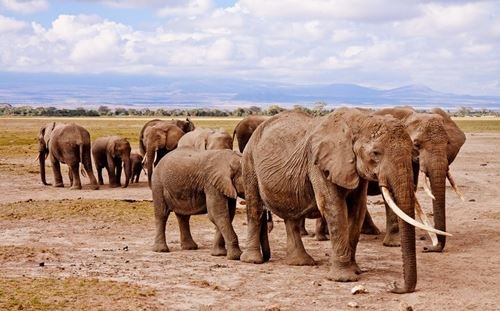
- Elephants
- Black rhinoceros
Wildlife sightings can never be guaranteed, because animals move naturally, but the crater's ecosystem provides excellent opportunities for observing a wide variety of species.
3. The Landscape Changes Dramatically Around You
A major part of the Ngorongoro safari experience is the scenery.
The crater contains open grasslands, woodland, wetlands, and other habitats within its enclosed landscape. From the crater rim, visitors can look down across the vast floor and see wildlife moving through the plains below.
The combination of volcanic walls, open grasslands, forests, and wildlife creates scenery that is very different from the wide-open plains found in many other safari areas.
UNESCO describes the combination of the crater's landscape and concentration of wildlife as one of the world's great natural wonders.
4. Ngorongoro Combines Wildlife With Human History
Many safari destinations are primarily known for wildlife, but Ngorongoro Conservation Area also has exceptional archaeological importance.
The wider conservation area contains Olduvai Gorge and the archaeological landscape of Laetoli. Research in the region has produced evidence connected to human evolution extending over almost four million years.
This means a visit can combine a wildlife experience with an opportunity to learn about the history of early humans.
For travellers interested in archaeology, anthropology, and history, this adds another dimension to a Tanzania safari.
5. Wildlife Conservation and Human Communities Exist Within the Same Landscape
Another distinctive characteristic of Ngorongoro is its multiple-use conservation model.
The Ngorongoro Conservation Area was established in 1959 as a multiple land-use area where wildlife conservation exists alongside traditional livestock grazing by semi-nomadic Maasai pastoralists.
This makes the wider area different from a conventional national park model and highlights the relationship between conservation, local communities, livestock, and tourism.
For visitors, this provides an opportunity to understand that the Ngorongoro landscape is not only a wildlife habitat but also a living cultural landscape.
6. It Is a UNESCO World Heritage Site for Both Natural and Cultural Values
Ngorongoro has another important distinction: the Ngorongoro Conservation Area is a UNESCO World Heritage Site recognized for both natural and cultural significance.
It was first inscribed for its natural values in 1979. In 2010, UNESCO also recognized its cultural significance because of its exceptional archaeological and human-evolution evidence.
This combination makes Ngorongoro unusual because its international importance is not based on wildlife alone.
7. The Crater Is Only One Part of the Experience
It is easy to think that Ngorongoro means only the crater, but the Ngorongoro Conservation Area is much larger.
The wider conservation area covers approximately 809,440 hectares and includes highland plains, savanna, woodlands, forests, volcanic landscapes, archaeological sites, and the famous crater itself.
This means travellers can experience different environments beyond the crater floor.
8. It Connects With the Greater Serengeti Ecosystem
Ngorongoro is also part of the larger Serengeti ecosystem.
The conservation area supports seasonal movements of wildebeest, zebra, gazelles, and other herbivores. The northern plains of the conservation area are connected ecologically with the wider Serengeti ecosystem.
For travellers planning a Northern Tanzania safari, this makes Ngorongoro a natural part of a broader safari route that can include Serengeti and other destinations.
9. The Crater Rim Adds Another Dimension to the Safari
The experience does not begin when you reach the crater floor.
The highlands and crater rim provide dramatic views over the landscape, while the descent into the crater creates a noticeable change in scenery and habitat.
Moving from the highlands down toward the crater floor allows visitors to experience the geological structure of the area rather than simply observing wildlife in an open savanna.
10. Every Game Drive Can Feel Different
Although the crater is relatively compact compared with some large safari areas, wildlife behaviour changes throughout the day.
Animals may move between grasslands, water sources, woodland, and other habitats. Weather and seasonal conditions can also influence where wildlife is found.
This means a Ngorongoro Crater game drive is not simply about ticking animals off a list. The landscape, animal behaviour, weather, and changing light all contribute to the experience.
Ngorongoro Crater vs Other Safari Destinations
The main difference is not that Ngorongoro has animals that cannot be found elsewhere. Many African safari destinations have lions, elephants, buffaloes, zebras, and other wildlife.
What makes Ngorongoro distinctive is the combination of experiences in one conservation landscape:
- A massive volcanic caldera
- High wildlife concentration
- Diverse habitats
- Dramatic scenery
- Black rhinoceros conservation
- Maasai cultural heritage
- Olduvai Gorge and archaeological history
- UNESCO World Heritage recognition
- Connection to the wider Serengeti ecosystem
This combination gives Ngorongoro its own identity within Tanzania's safari circuit.
Final Thoughts
What makes Ngorongoro Crater different from other safari destinations?
It is the way several remarkable features come together in one place. The world's largest unbroken caldera provides a unique setting for wildlife viewing, while the wider Ngorongoro Conservation Area adds cultural heritage, archaeology, human history, and diverse ecosystems.
A Ngorongoro Crater safari therefore offers more than simply watching animals. It is an opportunity to experience a dramatic volcanic landscape, observe wildlife in a concentrated ecosystem, and discover a region with exceptional natural and cultural importance.
For travellers exploring Northern Tanzania, Ngorongoro provides a distinctive chapter in the wider Tanzania safari experience.
Photo Gallery