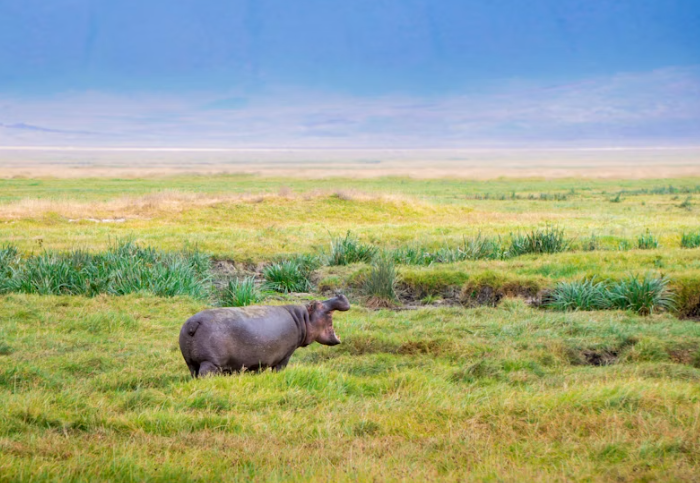
Ngorongoro Crater is one of the most famous natural attractions in Tanzania and one of the most remarkable places to experience wildlife in Africa. Located within the Ngorongoro Conservation Area in northern Tanzania, the crater is known for its spectacular scenery, abundant wildlife, unique geological formation, and deep connection to human history.
But what exactly makes Ngorongoro Crater so famous?
The answer is not just wildlife. The area brings together geology, conservation, culture, archaeology, and breathtaking landscapes in one extraordinary destination.
The World's Largest Unbroken Caldera
One of the main reasons Ngorongoro Crater is famous is its geological formation.
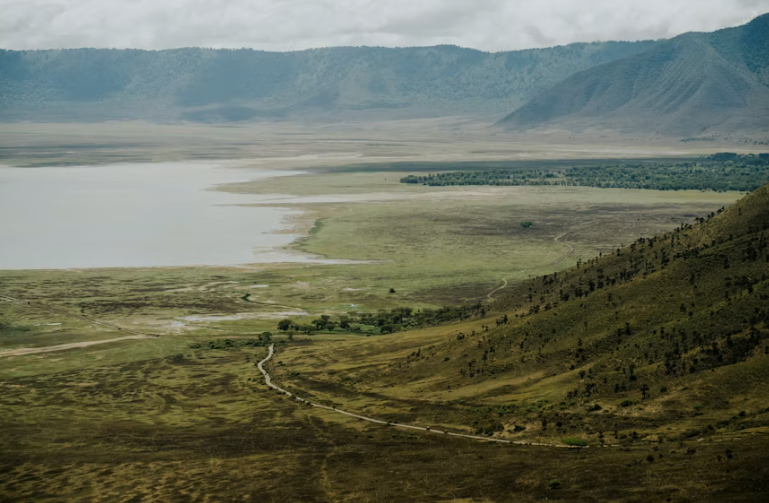
The crater is the world's largest unbroken caldera, formed by volcanic activity and the collapse of a large volcanic structure in the distant past. Today, its enclosed landscape creates a remarkable natural environment surrounded by steep crater walls.
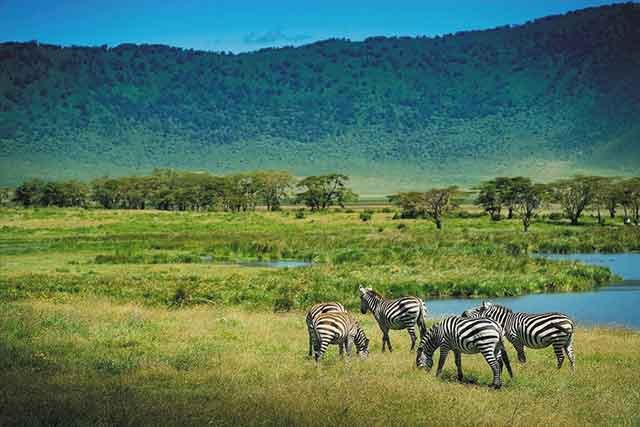
The crater floor covers approximately 250 square kilometres and contains grasslands, woodland, wetlands, and a number of water sources. This variety of habitats supports a large concentration of wildlife.
For visitors, the combination of the crater walls, open plains, forests, and wildlife creates one of the most distinctive landscapes found on a Tanzania safari.
A Remarkable Concentration of Wildlife
Another major reason tourists visit Ngorongoro Crater is the concentration of wildlife within the crater.
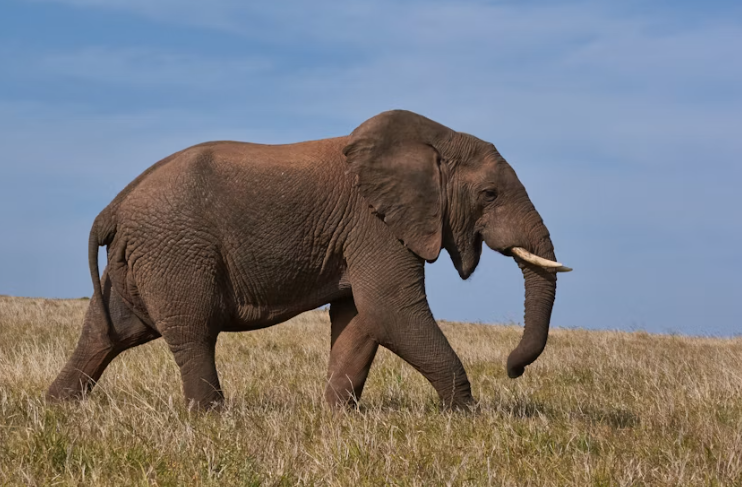
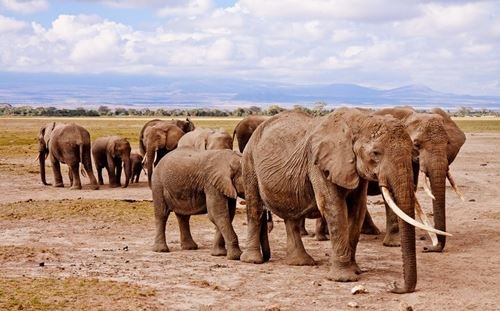
The enclosed ecosystem provides suitable habitats for many species throughout the year. Visitors may encounter lions, elephants, buffaloes, zebras, wildebeest, hippos, hyenas, gazelles, and other wildlife during a Ngorongoro safari.
The conservation area is also home to endangered species, including the black rhinoceros. UNESCO identifies the Ngorongoro Conservation Area as having global importance for biodiversity because of its wildlife populations and threatened species.
This makes a Ngorongoro Crater game drive an important part of many Northern Tanzania safari itineraries.
The Stunning Scenery
Wildlife is only part of the Ngorongoro experience.
The crater is surrounded by highlands, forests, grasslands, and volcanic landscapes. From viewpoints along the crater rim, visitors can see the dramatic crater floor far below, creating an impressive panoramic view.
The contrast between the green or golden grasslands, wildlife, water, and steep crater walls makes Ngorongoro Crater scenery particularly attractive to photographers and nature lovers.
The landscape itself is one of the reasons UNESCO describes the combination of the crater's scenery and wildlife concentration as one of the world's great natural wonders.
Ngorongoro Is More Than a Safari Destination
Another reason Ngorongoro Conservation Area is internationally important is that it is not simply a national park.
The conservation area was established in 1959 as a multiple land-use area where wildlife conservation exists alongside traditional pastoralist activities. The Maasai have a long-standing connection with the area and continue traditional livestock grazing within the conservation landscape under the area's management framework.
This combination of wildlife, landscapes, and human cultural heritage gives Ngorongoro a character that goes beyond a conventional wildlife destination.
A World Heritage Site
Ngorongoro's international importance is also reflected in its UNESCO World Heritage status.
The Ngorongoro Conservation Area was first inscribed on the UNESCO World Heritage List in 1979 because of its natural significance. In 2010, it was also recognized for its cultural value, particularly its exceptional archaeological and human-evolution evidence.
This makes Ngorongoro a mixed World Heritage property, recognized for both natural and cultural values.
A Place Connected to Human Evolution
Ngorongoro is also famous because of its importance to the study of human evolution.
The wider conservation area includes Olduvai Gorge and the archaeological landscape of Laetoli. Research in the region has produced important evidence about early human ancestors and the development of human behaviour over millions of years.
UNESCO notes that archaeological evidence in the wider Ngorongoro Conservation Area represents a sequence of human evolution and human-environment interaction extending over almost four million years.
For this reason, a visit to the Ngorongoro area can combine wildlife with an opportunity to learn about one of the most important chapters in human history.
The Ngorongoro Conservation Area Is Much Larger Than the Crater
It is important to understand the difference between Ngorongoro Crater and the Ngorongoro Conservation Area.
The crater is one major feature within the much larger conservation area. The wider area includes highland plains, savanna, woodlands, forests, volcanic features, archaeological sites, and other landscapes. UNESCO records the property as covering approximately 809,440 hectares.
This means that a Ngorongoro safari is not simply about visiting the crater floor. The wider conservation area contains many natural and cultural attractions.
The Great Migration Also Connects to Ngorongoro
Ngorongoro is part of the wider Serengeti ecosystem, which supports large-scale movements of wildebeest, zebra, gazelles, and other herbivores.
The northern plains of the conservation area are connected to the wider ecosystem used during these seasonal movements. UNESCO identifies the annual migration of large numbers of herbivores through the property as an important natural phenomenon.
This connection adds another layer of ecological importance to the region.
Why Do Tourists Love Visiting Ngorongoro Crater?
For many travellers, the appeal of Ngorongoro Crater safari comes from the combination of several experiences in one destination.
Visitors can experience:
- Spectacular volcanic scenery
- Diverse African wildlife
- Large concentrations of animals
- Opportunities to see endangered species
- Beautiful crater viewpoints
- Maasai cultural heritage
- Archaeological and human-evolution history
- A unique ecosystem within the crater
- The wider landscapes of the Ngorongoro Conservation Area
Instead of offering only a wildlife experience, Ngorongoro connects nature, geology, culture, and history.
Is Ngorongoro Crater Worth Visiting?
For travellers interested in Tanzania's natural and cultural heritage, Ngorongoro offers a distinctive experience because of the combination of its geological formation, wildlife, scenery, and archaeological importance.
The crater itself is only one part of a much larger conservation landscape. Its importance comes from how these different elements exist together within the same region.
Whether you are interested in Ngorongoro Crater wildlife, photography, geology, archaeology, culture, or a classic African safari, the area provides many different reasons to visit.
Final Thoughts
So, why is Ngorongoro Crater so famous?
It is famous because it combines an extraordinary geological formation with a remarkable concentration of wildlife and some of Tanzania's most important cultural and archaeological heritage.
The world's largest unbroken caldera, spectacular landscapes, endangered wildlife, Maasai cultural heritage, and evidence of human evolution all contribute to the international importance of the Ngorongoro Conservation Area.
For anyone planning a Tanzania safari, Ngorongoro offers much more than a game drive. It is a place where wildlife, nature, geology, culture, and human history come together in one remarkable landscape.