Introduction
The Marangu Route has a reputation for having the lowest summit success rate on Kilimanjaro. But that doesn't mean you can't reach Uhuru Peak. With the right preparation, the right itinerary, and the right mindset, you can beat the odds.
In this blog, we'll share practical tips to help you succeed on the Marangu Route — from choosing the 6-day version to managing altitude and pacing yourself on summit night.
1. Choose the 6-Day Itinerary
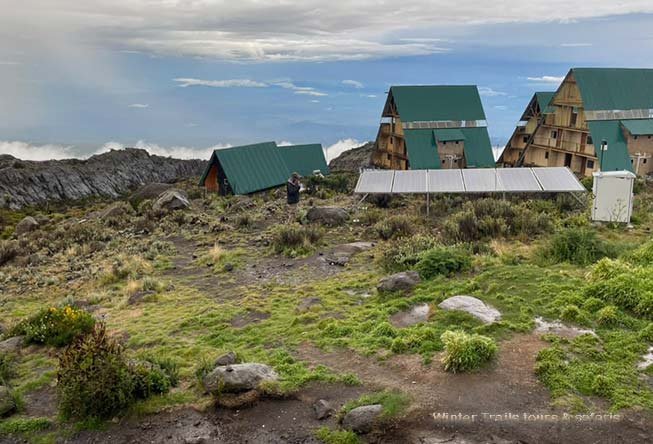
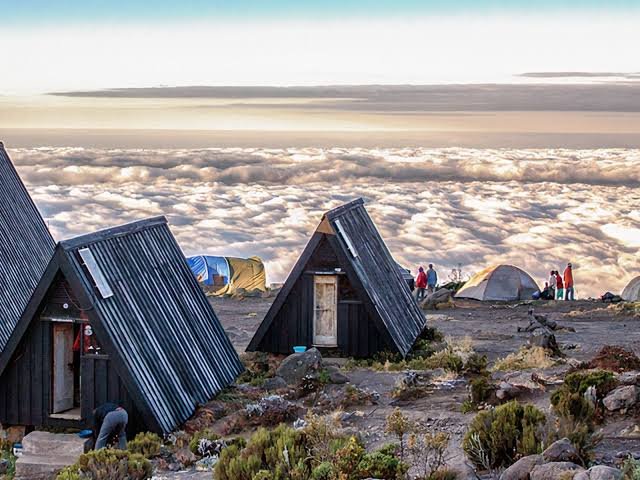
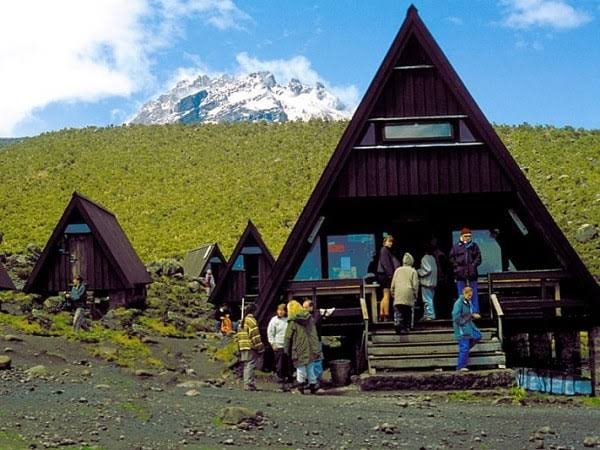
The single most important thing you can do to improve your chances on the Marangu Route is to choose the 6-day version. The 5-day itinerary ascends too quickly, giving your body almost no time to acclimatise. The 6-day version adds an extra day at Horombo Hut (3,720 m), which allows your body to adjust to the altitude. This one extra day can increase your summit success rate from around 55% to 65–70%.
Bottom line: Don't do the 5-day Marangu Route. Pay the extra for the 6-day version.
2. Walk "Pole Pole"
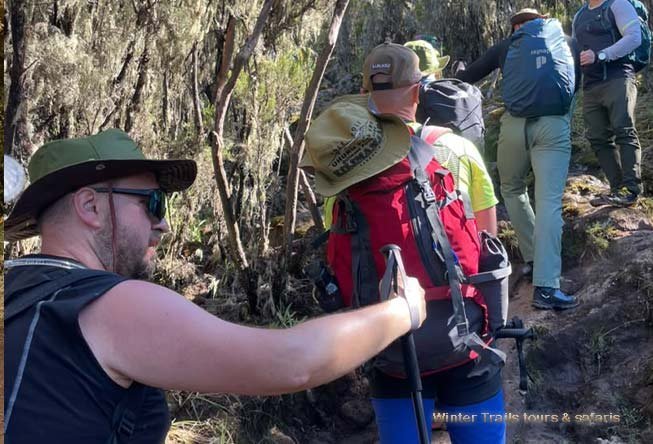
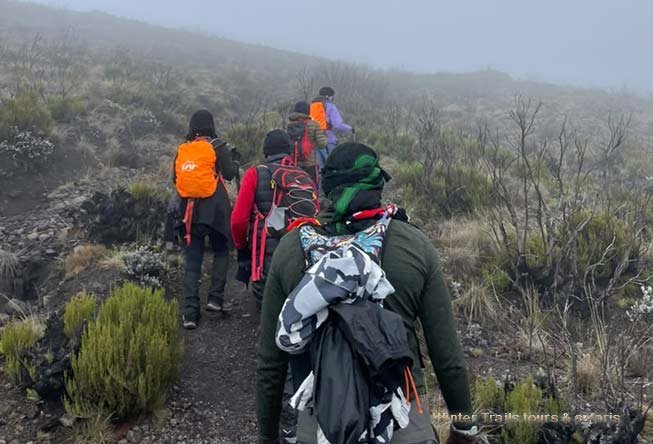
"Pole pole" means "slowly, slowly" in Swahili. It's the golden rule of Kilimanjaro. Walking slowly reduces the risk of altitude sickness and conserves your energy for summit night. Your guides will remind you constantly — listen to them. If you can't hold a conversation while walking, you're going too fast.
3. Drink 3–4 Litres of Water Per Day
Dehydration worsens altitude sickness. On the Marangu Route, you'll be drinking from bottled water or purified water. Aim for 3–4 litres per day, and more on summit day. Check your urine — it should be pale yellow, not dark.
Tip: Bring water purification tablets as a backup, and flavour drops to make the water more palatable.
4. Eat Even When You're Not Hungry
Altitude suppresses appetite, but your body needs fuel. Eat regularly, even if you don't feel like it. The food on the Marangu Route is simple but filling — porridge, stew, rice, and soup. Bring your own snacks (energy bars, nuts, chocolate) to supplement meals.
5. Do the Acclimatisation Hike to Zebra Rocks
On the 6-day itinerary, you'll have an acclimatisation day at Horombo Hut. Use it. Take the short hike to Zebra Rocks (4,100 m). This 1–2 hour walk helps your body adjust to the altitude and is a great way to spend the day.
6. Consider Diamox
Diamox (acetazolamide) is a medication that can help prevent altitude sickness. It's not for everyone, and it has side effects (tingling in fingers, increased urination). Consult your doctor before your trip, and test it at home to see how you react. If you do take it, start 24–48 hours before ascending.
7. Listen to Your Body and Your Guides
Altitude sickness can affect anyone, regardless of fitness. If you feel a headache, nausea, dizziness, or shortness of breath, tell your guide immediately. Don't try to push through — that's how people get into serious trouble. Your guide will monitor you and decide if you can continue.
8. Prepare for Summit Night
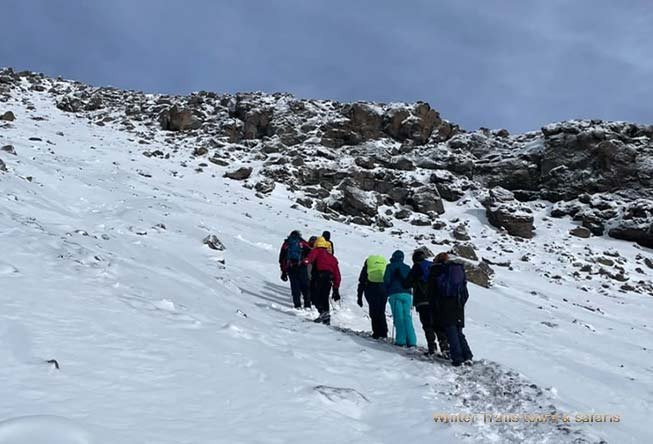
Summit night on the Marangu Route starts around midnight from Kibo Hut (4,700 m). You'll climb steep switchbacks to Gilman's Point (5,685 m) and then walk along the crater rim to Uhuru Peak (5,895 m). It's cold, dark, and exhausting.
Tips for summit night:
- Wear all your layers, including down jacket, insulated pants, gloves, and a balaclava.
- Use trekking poles — they help with balance on the scree.
- Drink water and eat snacks, even if you don't feel like it.
- Don't rush. Slow and steady wins the summit.
- If you feel unwell, tell your guide. Descending is the only cure for altitude sickness.
9. Bring the Right Gear
The Marangu Route has hut accommodation, so you don't need a tent. But you do need:
- A 4-season sleeping bag (rated to -10°C or lower)
- Warm layers (fleece, down jacket, thermal base)
- Waterproof jacket and pants
- Broken-in hiking boots
- Headlamp with spare batteries
- Trekking poles
- Sunscreen, sunglasses, lip balm
- Earplugs (dormitories can be noisy)
- Power bank (no electricity in huts)
10. Choose a Reputable Operator
Your operator makes a huge difference. A good operator will:
- Recommend the 6-day itinerary
- Provide experienced guides, enough porters, and proper equipment
- Carry emergency oxygen and pulse oximeters
- Monitor your health and make safe decisions
Cheap operators cut corners — and that can cost you the summit.
11. Stay Positive and Persistent
Summit night is as much a mental challenge as a physical one. There will be moments when you want to quit. Don't. Take one step at a time. Focus on the next break, not the summit. And remember — thousands of people have stood on Uhuru Peak before you. You can too.
Final Thoughts
The Marangu Route may have a lower success rate, but it's not impossible. With the 6-day itinerary, proper acclimatisation, slow pacing, and the right mindset, you can reach Uhuru Peak. Be prepared, listen to your guides, and take it one step at a time.
Ready to climb the Marangu Route? Contact Winter Trails Tours and Safaris for expert guidance and booking. We'll help you prepare for the adventure of a lifetime.