Why Visit Zanzibar? 10 Reasons This Island Should Be on Your Bucket List
There is a moment that happens to almost everyone who visits Zanzibar. You step off the boat, or out of the airport, or off the ferry from Dar es Salaam, and the air hits you — warm, humid, heavy with the scent of cloves and salt and something sweet you cannot quite name. The light is different here. Softer, golder, slower. Within an hour, you stop checking your phone. Within a day, you stop checking the time. That is Zanzibar. It does not just give you a holiday. It changes your rhythm.
But why exactly should Zanzibar be on your travel list? Here are ten reasons that, taken together, explain why this small archipelago off the coast of Tanzania has become one of the most beloved destinations in the world.
1. The Beaches Are Genuinely Among the World's Best
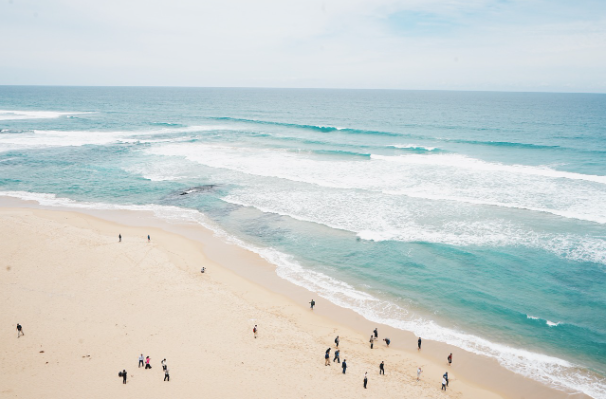
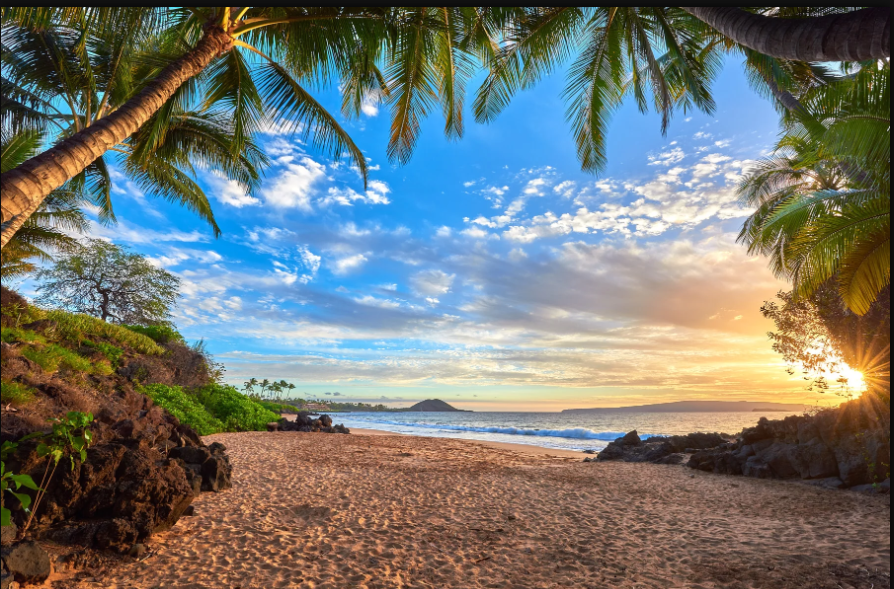
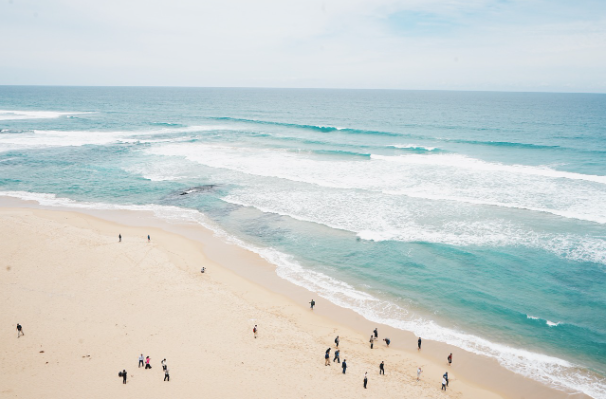
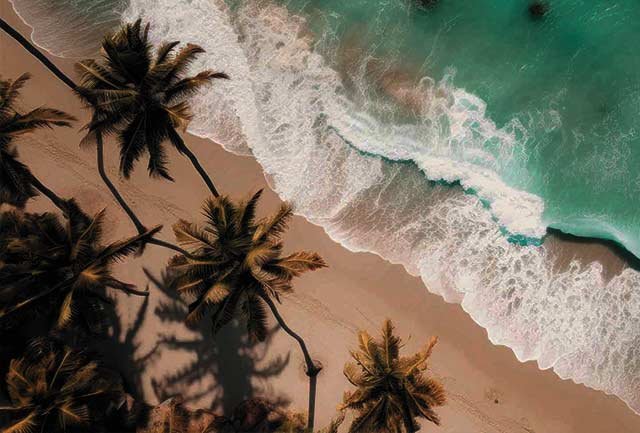
This is not marketing hyperbole. Zanzibar's beaches — Nungwi in the north, Paje and Jambiani on the east coast, Kendwa in the northwest — are consistently ranked among the finest on the planet. The sand is so fine and so white it squeaks underfoot. The water shifts through every shade of blue and green you can imagine, sometimes within a single afternoon, depending on the tide. And the tides here are dramatic: at low tide the ocean pulls back hundreds of metres, exposing a shimmering flats of sand and rock pools where you can walk for what feels like miles. At high tide, the water returns and the whole landscape transforms. It is the kind of beach that makes you cancel your plans and do nothing instead.
2. Stone Town Is a Living Museum
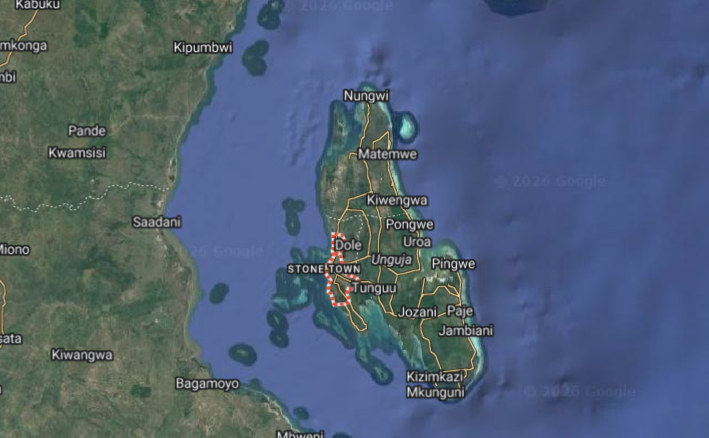
Most beach destinations offer little beyond the beach. Zanzibar gives you Stone Town — a UNESCO World Heritage Site and one of the most atmospheric cities in Africa. Its narrow alleyways are a labyrinth of coral-stone buildings, carved wooden doors, hidden courtyards, and bustling markets. You can spend a morning wandering the old slave market and its haunting memorial, visit the house where Freddie Mercury was born, browse the Darajani Market with its pyramids of mangoes and sacks of spices, and end the day with a coffee at a rooftop café overlooking the harbour. Stone Town is not a museum piece. It is a living, breathing city where Swahili, Arab, Indian, and European influences have been blending for centuries.
3. The Spice Farms Are a Sensory Adventure
Zanzibar was once the world's largest producer of cloves, and the island's spice farms remain a living tradition. A guided tour through a spice plantation is one of the most delightful half-days you can spend here. Your guide will invite you to smell, taste, and even climb for fresh cinnamon bark, vanilla pods, black pepper, turmeric, cardamom, nutmeg, and lemongrass. You will learn how each spice grows, how it is harvested, and how it found its way into Zanzibari cuisine. And yes, you will probably leave with a small bag of something fragrant tucked into your luggage.
4. Mnemba Atoll Is a Diver's Paradise
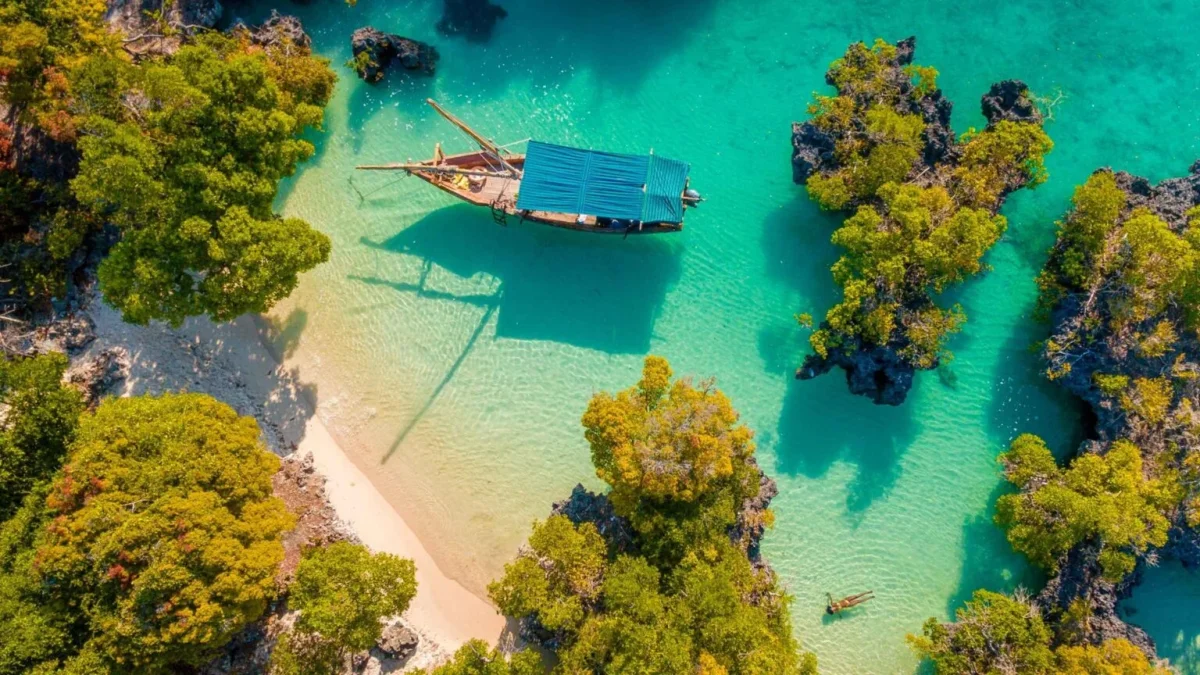
Just off the northeast coast lies Mnemba Atoll, a protected marine conservation area that ranks among the finest snorkelling and diving sites in East Africa. The water is crystal clear, often with visibility exceeding thirty metres, and the reef is home to more than six hundred species of fish, green sea turtles, dolphins, and — between July and September — migrating humpback whales. Whether you are a seasoned diver or a first-time snorkeller, the experience of drifting over coral gardens bursting with colour is one that stays with you long after you have flown home.
5. The Food Is Extraordinary
Zanzibari cuisine is one of the great unsung cuisines of the world. It is a fusion born of centuries of trade and migration — Swahili, Arab, Indian, Persian, Portuguese, and British influences all simmering together in one pot. Think pilau rice cooked in spiced broth, urojo (a tangy soup of mango, tamarind, and potato), grilled octopus with lime, coconut curries, freshly caught kingfish, and the famous Zanzibar pizza sold from street stalls in Forodhani Gardens at night. Add in the island's tropical fruit — mangoes, jackfruit, passionfruit, papaya — and you have a food culture worth travelling for on its own.
6. It Pairs Perfectly With a Safari
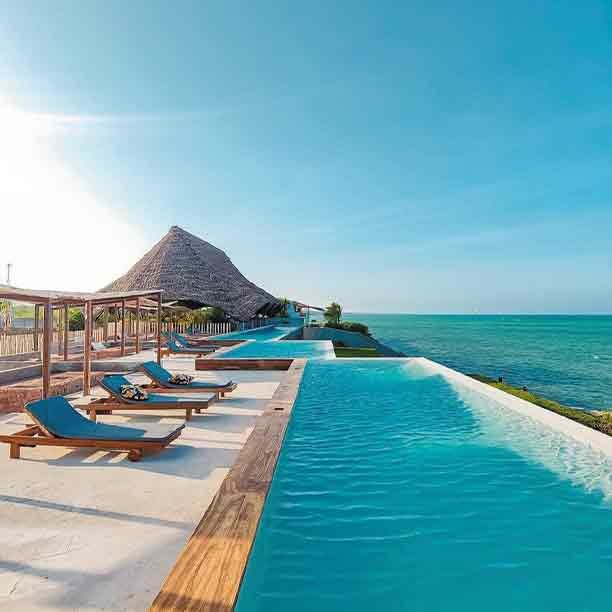
One of Zanzibar's greatest advantages is its location. It sits just a short flight from the Serengeti, the Ngorongoro Crater, Tarangire, and the other great parks of northern Tanzania. This means you can combine a week of thrilling game drives with a week of barefoot luxury on the beach — the ultimate bush-and-beach holiday. After the dust and early mornings of a safari, there is nothing quite like arriving in Zanzibar, checking into an ocean-view villa, and letting the sound of the waves wash the adrenaline away.
7. The Dhow Sunset Cruise Is Pure Magic
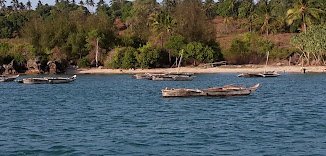
There is a reason the sunset dhow cruise is one of the most photographed experiences in Zanzibar. You step aboard a traditional wooden sailing boat — the same kind that has traded along these coasts for a thousand years — and glide out onto the calm evening water. As the sun sinks toward the horizon, the sky dissolves into gold and rose and violet, and the only sounds are the creak of the timbers and the gentle lap of water against the hull. A chilled glass of champagne, canapés, and the person you love beside you. It is simple, and it is unforgettable.
8. The People Are Warm and Welcoming
Zanzibaris are famously hospitable. The word "karibu" — welcome — follows you everywhere, spoken with genuine warmth and a smile. The island's culture is relaxed and unhurried, and visitors are treated not as tourists but as guests. You will find this in the resort staff who remember your name, the guide who goes out of his way to show you a hidden corner of Stone Town, the spice farmer who laughs as he hands you a piece of fresh cinnamon bark. This warmth is one of the things visitors most often mention when they return home.
9. The Island Has a Culture Worth Learning About
Zanzibar is not just a beach. It is a place with a deep, complicated, and fascinating history. It was the seat of the Omani Sultanate, the centre of the East African slave trade, the world's leading clove producer, and a crossroads of civilisations for over a thousand years. Its festivals — Sauti za Busara in February, the Zanzibar International Film Festival in July, Mwaka Kogwa in Makunduchi — are vibrant celebrations of Swahili culture. Its architecture, its music, its language, its food, its religion — all of it rewards the traveller who takes the time to look beyond the beach.
10. It Is Remarkably Easy to Get To
For all its exotic appeal, Zanzibar is surprisingly easy to reach. Abeid Amani Karume International Airport receives direct flights from Europe, the Middle East, and major African hubs, and it is a short hop from Dar es Salaam, Arusha, and the northern safari circuit. Visas are straightforward, English is widely spoken, and the infrastructure for tourism — resorts, transfers, guides — is well developed. You do not need to be an intrepid explorer to enjoy Zanzibar. You just need to book a flight.
In Short
Zanzibar is one of those rare destinations that manages to be many things at once. It is a beach holiday and a cultural immersion. It is a honeymoon and a family adventure. It is a place to do everything — dive, sail, explore, feast — and a place to do absolutely nothing at all. It is warm, beautiful, welcoming, and endlessly rewarding.
If you have been thinking about visiting, stop thinking. Zanzibar is waiting. Karibu.
Winter Trails Tours crafts tailor-made Zanzibar getaways — from four-day luxury escapes to two-week bush-and-beach combinations — with private guiding, handpicked five-star resorts, and every detail arranged before you land. Contact us to start planning yours.