Package Overview
Overview
Ruaha National Park is located in Tanzania's southern highlands, approximately 130 kilometers west of Iringa, and is the country's largest national park, covering over 20,000 square kilometers of wilderness. Saadani National Park is situated on Tanzania's eastern coast, approximately 200 kilometers north of Dar es Salaam, and is East Africa's only coastal national park, combining wildlife with Indian Ocean beaches. Mkomazi National Park lies in northeastern Tanzania near the Kenyan border, approximately 200 kilometers from Arusha, and is renowned for its arid landscapes and endangered species conservation.
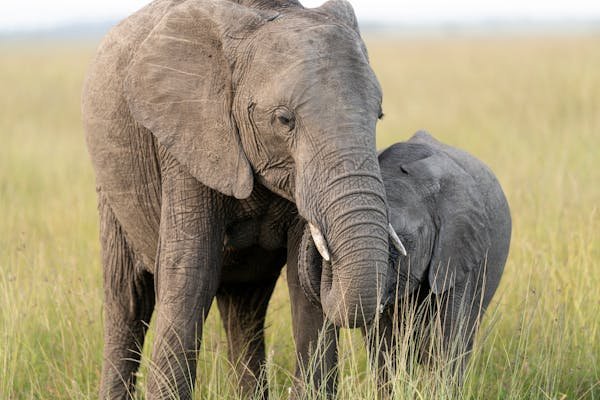
This adventure answers the question of how travellers can experience three distinct Tanzanian ecosystems in a single journey. Ruaha boasts one of Africa's largest elephant populations, over 10,000 individuals, and high predator densities including lions, leopards, cheetahs, and the endangered African wild dog. The best time to visit is during the dry season from June to October, when animals concentrate along the shrinking Great Ruaha River and predator and elephant sightings are at their peak. Saadani offers a unique coastal wildlife experience where elephants wander on beaches, hippos and crocodiles cruise the Wami River, and visitors can enjoy boat safaris, a signature activity of the park. Mkomazi is ideal for spotting rare species including black rhinos and African wild dogs, as well as antelope species found only in this part of Tanzania, such as gerenuk and fringe-eared oryx. The best time to visit is during the cooler dry season from May to September, when animals gather around scarce water sources.
The main challenge of this trip is the distance between parks. Ruaha to Saadani is approximately 600 kilometers, and Saadani to Mkomazi is approximately 400 kilometers, meaning considerable driving time, but the reward is experiencing Tanzania's most diverse wilderness and coastal landscapes.
Geographical Location
| Destination | Location | Distance from Dar es Salaam | Ecosystem |
|---|---|---|---|
| Ruaha National Park | Southern highlands, 130 km west of Iringa | Approximately 625 km | Ruaha-Rungwa ecosystem, over 20,000 sq km |
| Saadani National Park | Eastern coast, north of Dar es Salaam | Approximately 200 km | Coastal forest, beach, Wami River, mangrove |
| Mkomazi National Park | Northeastern Tanzania, near Kenyan border | Approximately 550 km | Semi-arid savannah, acacia woodland, dry forest |
Key Highlights
| Destination | Key Highlights | Best For |
|---|---|---|
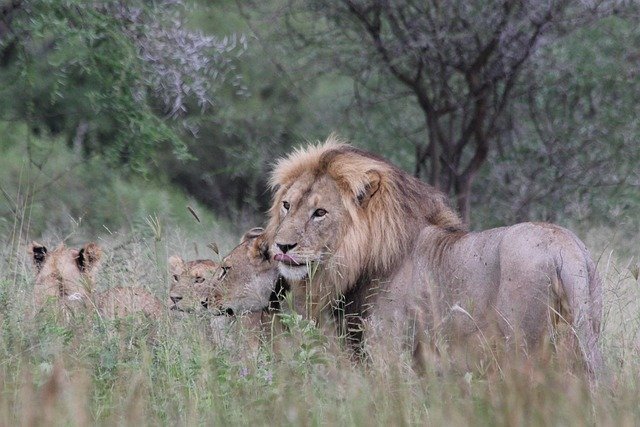
| Ruaha National Park | Over 10,000 elephants, lions, leopards, cheetahs, wild dogs, 570+ birds | Remote wilderness and predators |
| Saadani National Park | Elephants on beaches, Wami River boat safaris, hippos, crocodiles, 300+ birds | Coastal wildlife and boat safaris |
| Mkomazi National Park | Black rhinos, African wild dogs, gerenuk, fringe-eared oryx, 450+ birds | Rare species and arid landscapes |
What to Expect in Ruaha National Park
Ruaha is Tanzania's largest national park and one of its wildest. The park's landscape is defined by the Great Ruaha River, which flows along its eastern boundary and serves as the lifeblood of the ecosystem during the dry season. The river attracts enormous concentrations of wildlife, including elephants, buffaloes, hippos, crocodiles, and a variety of antelope species such as greater kudu, roan, and sable.
The park is particularly renowned for its predators. Lions are abundant, often seen resting in the shade of baobabs or patrolling the riverbanks. Leopards are elusive but present, while cheetahs can be spotted on the open plains. The endangered African wild dog is also found in Ruaha, making it one of the best places in Tanzania to see this rare carnivore.
For birdwatchers, Ruaha is a paradise, with over 570 recorded species. The mix of habitats — riverine forest, miombo woodland, and open savannah — supports an extraordinary diversity of birdlife. The dry season from June to October is the best time for wildlife viewing, when vegetation is sparse and animals gather around water sources.
What to Expect in Saadani National Park
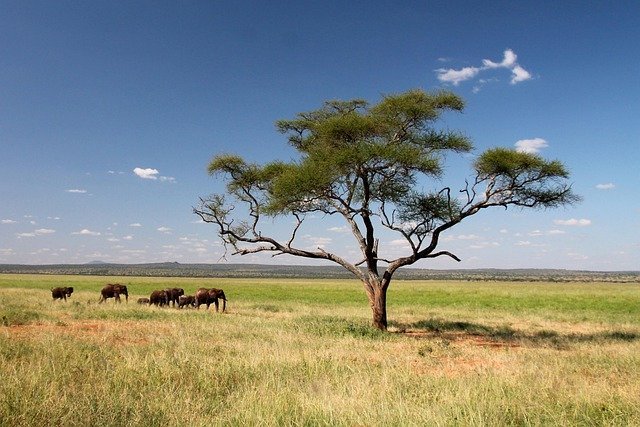
Saadani is East Africa's only coastal national park, offering a unique safari experience that combines traditional wildlife viewing with Indian Ocean beaches. Located approximately 200 kilometers north of Dar es Salaam, the park covers about 1,100 square kilometers and includes coastal forest, savannah, beach, mangrove, and the Wami River.
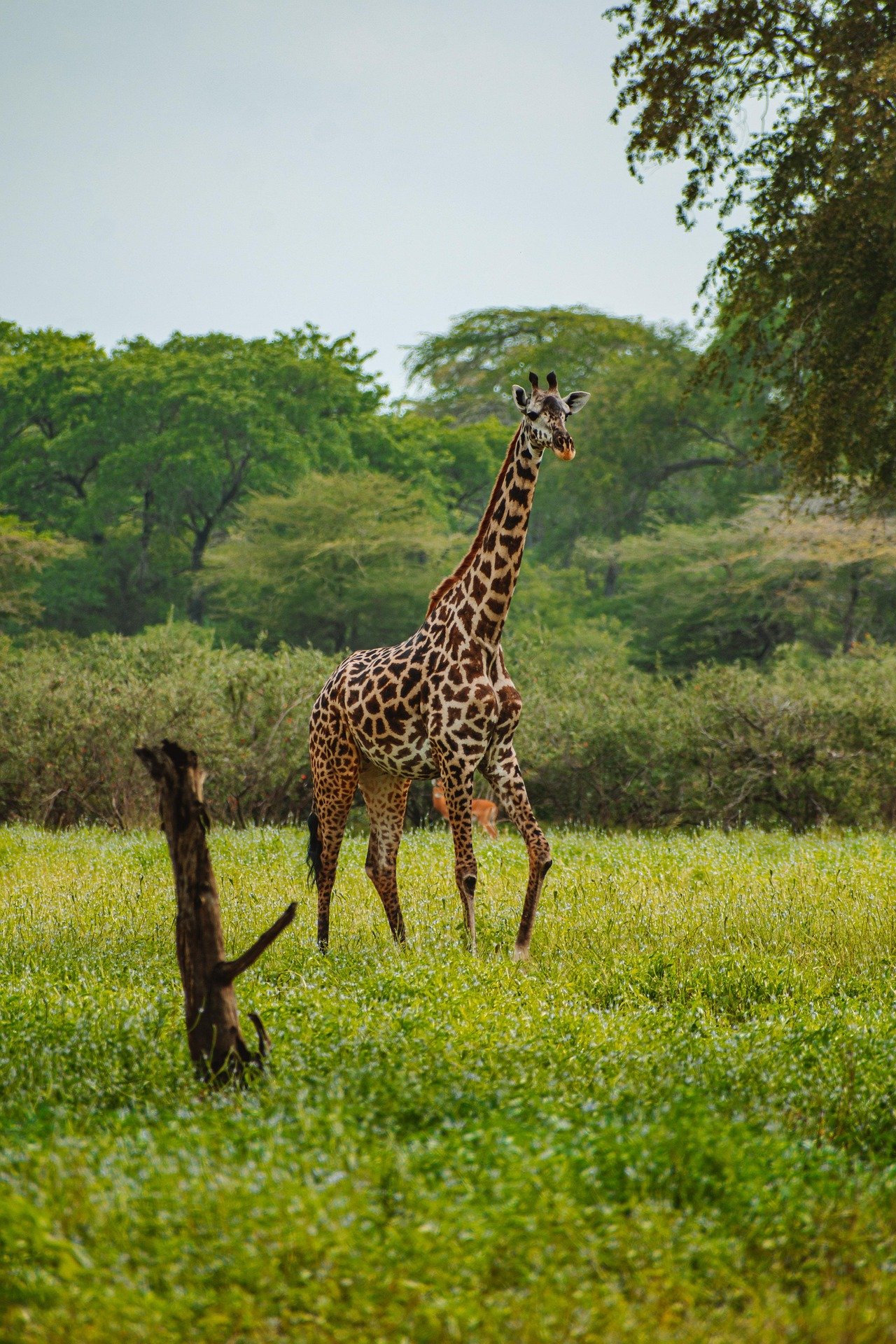
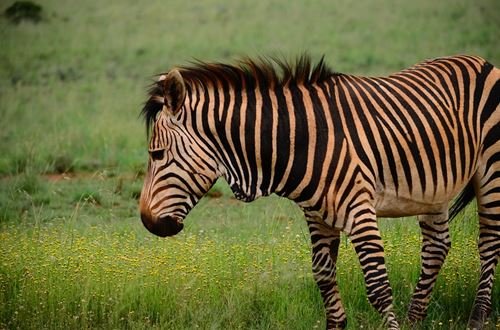
The park's most unique experience is the boat safari. Cruising along the Wami River, you can see hippos, crocodiles, and abundant birdlife, including fish eagles, kingfishers, and waders. On land, elephants sometimes wander on the beach, and lions, leopards, giraffes, zebras, and various antelope species roam the park's savannah. Saadani is also home to over 300 bird species, making it an excellent destination for birdwatchers.
The best time to visit is during the dry season from June to October, when the weather is pleasant and wildlife viewing is at its best. The park is relatively less visited, offering a quieter and more intimate safari experience than Tanzania's northern parks.
What to Expect in Mkomazi National Park
Mkomazi National Park is located in northeastern Tanzania near the Kenyan border, covering 3,245 square kilometers. The park lies between the Pare and Usambara Mountains and is contiguous with Kenya's Tsavo National Park, forming an important wildlife corridor.
Mkomazi is renowned for its arid landscapes and endangered species conservation. The park is a important sanctuary for black rhinos and African wild dogs, both highly endangered species. Visitors can also see antelope species found only in this part of Tanzania, including gerenuk, fringe-eared oryx, lesser kudu, and hartebeest.
The park has recorded over 450 bird species, including the vulturine guineafowl, rarely seen elsewhere in Tanzania. Large ground birds such as ostriches, kori bustards, and ground hornbills are common on the grasslands. Mkomazi also offers walking safaris and登山 activities, allowing visitors to explore its rugged landscapes on foot.
The best time to visit is during the cooler dry season from May to September, when animals gather around scarce water sources and vegetation is sparse, offering excellent visibility. The park is less visited than Tanzania's northern parks, providing a more authentic and intimate wildlife experience.
What's Included
- Hotel or airport pick-up and drop-off in Dar es Salaam
- Professional English-speaking driver/guide
- All park entry fees
- Game drives in a 4x4 safari vehicle
- Boat safari on the Wami River
- Walking safari in Mkomazi (if applicable)
- Full board accommodation (breakfast, lunch, dinner)
- Bottled drinking water
- All government taxes and levies
What's Not Included
- International flights and visa fees
- Personal expenses and souvenirs
- Tips for guides and drivers
- Travel insurance
- Alcoholic beverages
- Domestic flights (if applicable)
Why Choose This Adventure?
- Three Ecosystems – Remote wilderness, coastal beaches, and arid savannah in one trip
- African Wild Dogs – Both Ruaha and Mkomazi offer excellent chances to see this endangered carnivore
- Black Rhinos – Mkomazi's rhino sanctuary is one of the best places in Tanzania to see these rare animals
- Boat Safaris – Saadani's Wami River cruise offers unique hippo and crocodile viewing
- Coastal Wildlife – See elephants on the beach in Tanzania's only coastal park
- Fewer Crowds – Experience Tanzania's most untouched and least-visited wilderness areas
- Great Value – More affordable than the northern circuit parks while offering equally thrilling wildlife encounters
Ready to experience Ruaha, Saadani, and Mkomazi? Contact Winter Trails Tours and Safaris to plan your ultimate 6-day Tanzania adventure today.

Included services in itinerary
- Park entry fees
- Professional safari guide
- 4×4 safari vehicle
- All meals
- Drinking water
Excluded
- International flights
- Tanzania visa fees
- Travel insurance
- Alcoholic beverages
- Tips and gratuities
Trip Information
PDF format with full itinerary