If you are planning a Tanzania safari, you may have heard that Ruaha National Park is one of the country's best destinations for elephant experiences. But why is Ruaha National Park famous for elephants?
The answer is connected to the park's large elephant population, extensive wilderness, seasonal water sources, and the important role elephants play in the ecosystem.
Located in central Tanzania, Ruaha is part of a vast wilderness landscape where elephants can be encountered across different habitats, making an elephant safari in Ruaha a memorable experience.
Ruaha Is Known for Large Elephant Herds
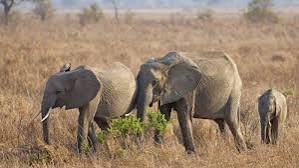
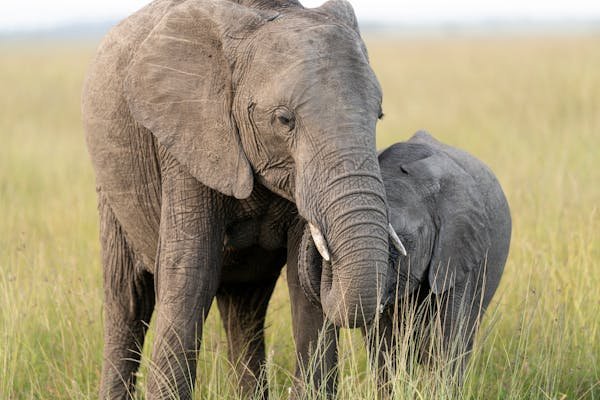
One of the main reasons Ruaha National Park is famous for elephants is the presence of large herds across its extensive wilderness.
During a game drive, visitors may encounter elephants moving through woodland, crossing open plains, or gathering around water sources.
Seeing a large elephant herd in the open landscapes of Ruaha can be one of the highlights of a Ruaha National Park safari.
The Great Ruaha River Is Important
The Great Ruaha River is one of the most important features of the park.
Water availability has a major influence on wildlife movements, particularly during the dry season. As temporary water sources disappear, animals increasingly depend on permanent or more reliable water sources.


This makes areas around the river particularly interesting for wildlife viewing.
Elephants may be seen drinking, bathing, crossing the river, or moving through the surrounding vegetation.
A Vast Habitat for Elephants
Ruaha's large size and diverse habitats provide elephants with plenty of space to move and feed.
The park contains woodlands, grasslands, rocky areas, river systems, and seasonal wetlands, creating different environments for wildlife throughout the year.
For an elephant, this variety means access to different sources of food and water as seasonal conditions change.
For visitors, it means that every game drive can offer a different view of elephant behavior and the surrounding ecosystem.
The Dry Season Creates Special Elephant Encounters


The dry season can be an especially interesting time for elephant viewing.
As water becomes more limited, elephants and other wildlife may concentrate around rivers and remaining water sources.
This can create opportunities to observe elephants interacting with water—drinking, bathing, and sometimes playing in the shallows.
The dry landscape can also make animals easier to spot because vegetation is generally less dense.
Elephants Are an Important Part of Ruaha's Ecosystem
Elephants are not simply one of the animals visitors come to see. They also play an important ecological role.
By feeding on vegetation, breaking branches, moving through woodland, and interacting with their environment, elephants can influence the structure of the habitats around them.
Their movements can also create pathways through vegetation and contribute to changes in the landscape.
This makes observing elephants an opportunity to understand the wider ecosystem rather than simply taking photographs.
A Great Destination for Elephant Photography


For photographers, Ruaha elephant safaris offer a variety of opportunities.
Elephants can be photographed against open savannah, woodland, riverbanks, and dramatic Tanzanian landscapes.
Early mornings and late afternoons can provide beautiful natural light while elephants are often active.
Watching a herd slowly move across the landscape can also create excellent opportunities for capturing the relationship between wildlife and its environment.
Elephants Are Not the Only Attraction
Although elephants are one of Ruaha's major attractions, the park offers much more.
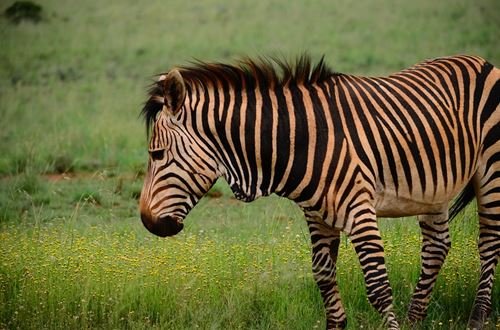
A Ruaha wildlife safari can also provide opportunities to see lions, leopards, cheetahs, giraffes, zebras, buffaloes, wild dogs, antelopes, and numerous bird species.
This combination of wildlife makes Ruaha an important destination for travelers looking for a broader southern Tanzania safari experience.
Final Thoughts
So, why is Ruaha National Park famous for elephants?
Ruaha is famous for its large elephant population, vast wilderness, diverse habitats, and important water sources such as the Great Ruaha River. During the dry season, the concentration of wildlife around remaining water sources can create particularly memorable elephant encounters.
For travelers planning a Tanzania wildlife safari, Ruaha offers an opportunity to experience elephants in a vast and beautiful natural environment while also discovering the rich wildlife of southern Tanzania.
Photo Gallery