When planning a Tanzania safari, many travelers immediately think about the country's most famous wildlife destinations. However, Tanzania has many lesser-known parks that offer remarkable experiences, and Mkomazi National Park is one of them.
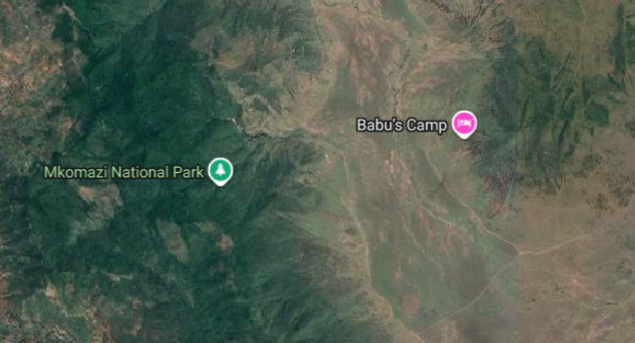
Located in northeastern Tanzania, near the Kenyan border, Mkomazi combines beautiful landscapes, diverse wildlife, and important conservation areas. So, why should you visit Mkomazi National Park? The park offers travelers the opportunity to discover a quieter side of Tanzania while enjoying wildlife and scenic surroundings.
Experience a Quieter Side of Tanzania
One of the reasons to visit Mkomazi National Park is its relatively peaceful safari atmosphere.
Compared with some of Tanzania's busier safari destinations, Mkomazi can provide a more relaxed experience. Travelers can explore its landscapes while enjoying the feeling of being away from heavily visited tourist routes.
For visitors who prefer a less crowded Tanzania safari, this can be an important part of the experience.
Discover Beautiful Landscapes
Mkomazi is known for its distinctive landscapes, including open plains, hills, bushland, and dry savannah environments.
The scenery changes throughout the year, creating different photographic opportunities and giving visitors a chance to experience a varied part of northeastern Tanzania.


The views can be particularly impressive around sunrise and sunset, when the landscape takes on warm natural colors.
See a Variety of Wildlife
A Mkomazi National Park safari can provide opportunities to see a variety of African wildlife.
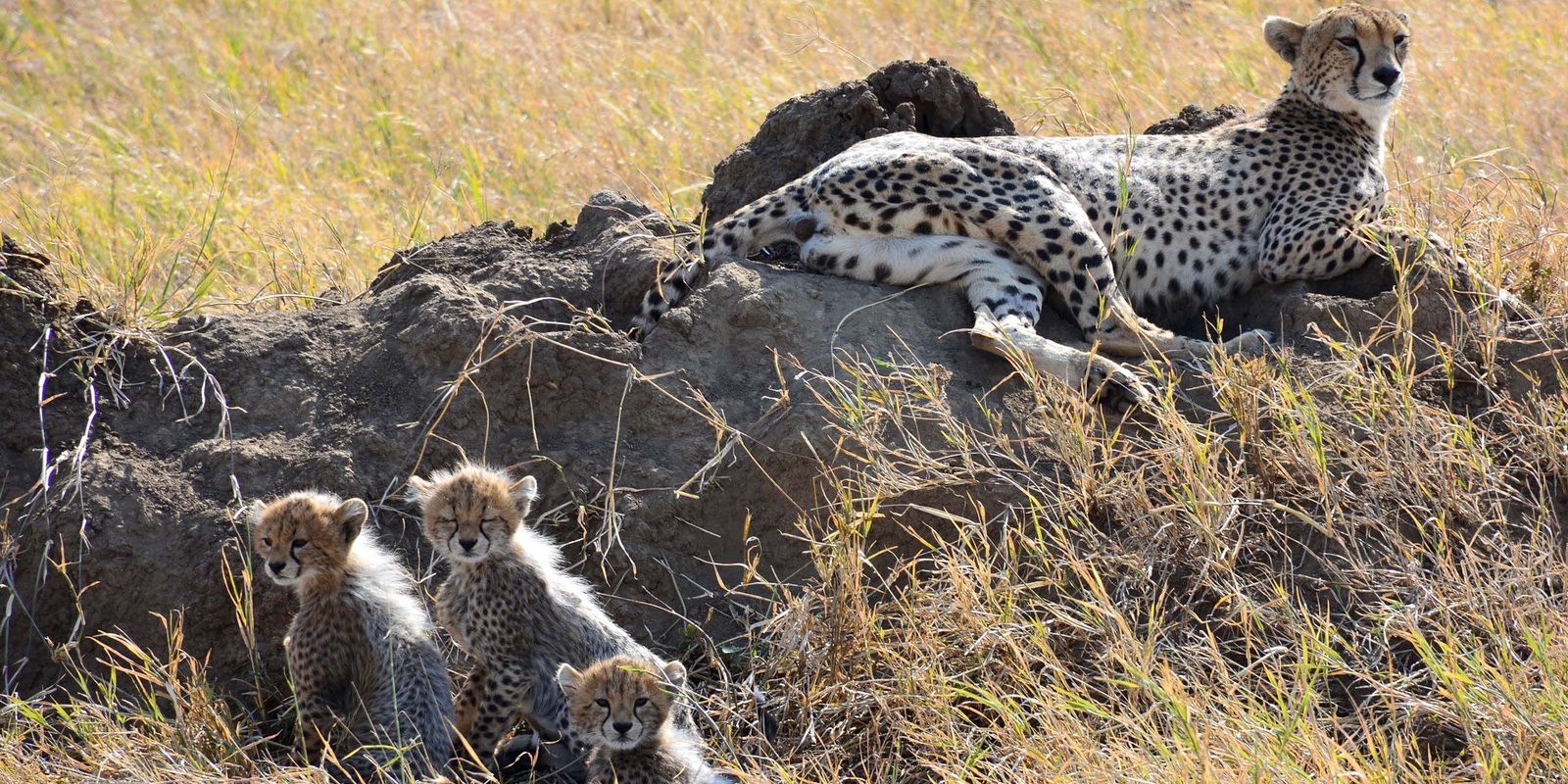
Depending on the area and season, visitors may encounter elephants, giraffes, zebras, buffaloes, lions, leopards, and several antelope species.
Wildlife sightings are never guaranteed, but exploring different habitats with an experienced guide can increase the opportunity to discover animals and understand their behavior.
Mkomazi Is Important for Black Rhino Conservation


One of the most distinctive reasons to visit Mkomazi is its connection with black rhino conservation.
The park is home to the Mkomazi Rhino Sanctuary, which forms part of Tanzania's efforts to protect the critically endangered black rhinoceros.
For travelers interested in wildlife conservation, this adds an educational dimension to a visit beyond ordinary game viewing.
A Great Addition to a Northern Tanzania Itinerary
Mkomazi's location makes it an interesting destination to consider when exploring northern Tanzania.
Its proximity to the Kilimanjaro and Arusha areas means travelers can potentially include Mkomazi as part of a wider itinerary, depending on their route and travel plans.
This makes it possible to combine wildlife experiences with other attractions in northern Tanzania.
Excellent for Nature and Wildlife Photography
If you enjoy photography, Mkomazi provides opportunities to capture both wildlife and landscapes.
From giraffes standing against open savannah to elephants moving through the bush, the park offers a variety of subjects.
The relatively quiet atmosphere can also allow photographers to spend time observing wildlife without the busy feeling sometimes experienced in heavily visited destinations.
Discover an Important Conservation Landscape
Mkomazi is not only about tourism. It is also an important wildlife conservation area.
Visiting the park gives travelers an opportunity to learn about the relationship between wildlife protection, habitat conservation, and sustainable tourism in Tanzania.
This makes a Mkomazi safari interesting for visitors who want their journey to include both adventure and a deeper understanding of conservation.
Final Thoughts
So, why should you visit Mkomazi National Park?
Mkomazi offers a combination of wildlife, beautiful landscapes, conservation, and a quieter safari atmosphere. Its importance in black rhino conservation makes it particularly interesting for travelers who want to experience more than traditional game drives.
For anyone planning a Tanzania safari, adding Mkomazi to an itinerary can provide an opportunity to discover a less-traveled but fascinating part of the country's natural heritage.
Photo Gallery