Package Overview
Overview
This three-day safari brings together three of Tanzania's most diverse and rewarding destinations on the northern circuit, offering a compact yet remarkably complete wildlife experience. Beginning in Arusha, the safari capital at the foot of Mount Meru, the journey takes travellers through the intimate forests and lakes of Arusha National Park, the dramatic Rift Valley landscapes of Lake Manyara, and finally into the magnificent Ngorongoro Crater — a UNESCO World Heritage Site and one of Africa's greatest natural wonders.
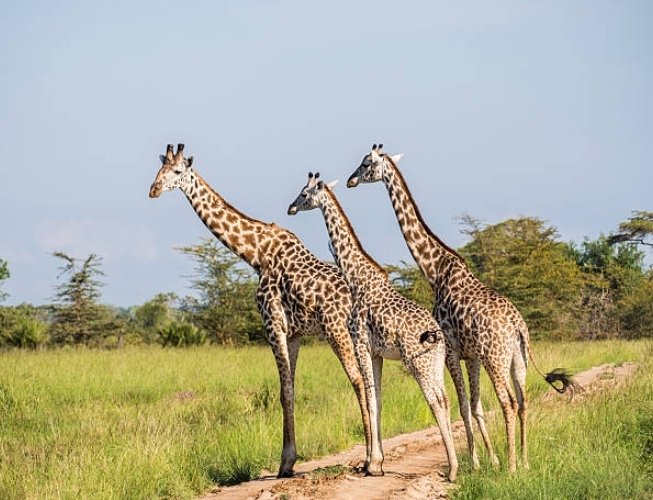
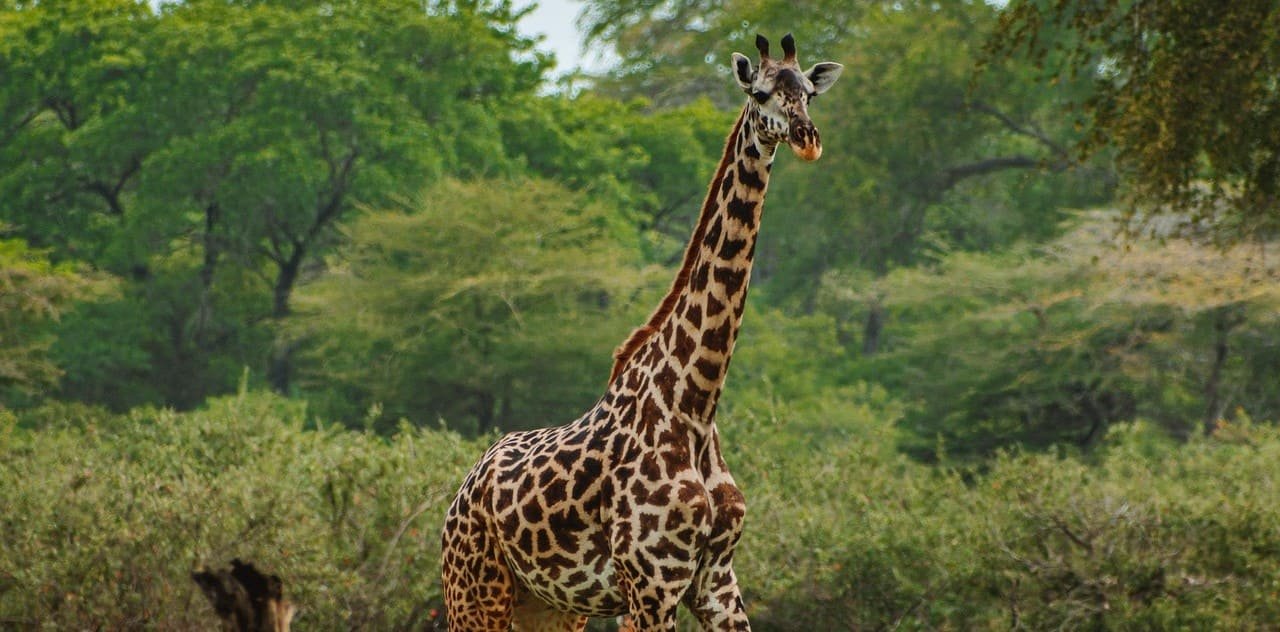
Arusha National Park is often overlooked by travellers rushing toward the Serengeti, yet it offers something no other park in Tanzania can: the chance to explore on foot. A guided walking safari with an armed ranger brings you surprisingly close to giraffes, zebras, and buffalo in their natural environment . The park's Momella Lakes, fed by underground springs, attract flamingos, hippos, and a spectacular array of birdlife, while a canoe safari on the calm waters offers a peaceful and unique perspective of the landscape with Mount Meru towering in the background . The park is smaller and less crowded than many northern safari destinations, making the experience feel quieter, more personal, and closer to nature .
From Arusha, the journey continues to Lake Manyara National Park, a slender strip of protected land stretching along the base of the Great Rift Valley escarpment. Despite its modest size, Manyara is one of East Africa's most ecologically diverse safari landscapes . The park is famous for its tree-climbing lions, one of only two places in Africa where lions routinely rest in the branches of trees . Its groundwater forest, fed by springs from the escarpment, supports dense populations of elephants, baboons, and over 400 bird species, including thousands of flamingos that gather on the alkaline lake . The dramatic Rift Valley backdrop, with its steep cliffs and lush vegetation, makes Manyara one of the most photogenic parks in Tanzania.
The safari culminates at the Ngorongoro Crater, the world's largest inactive volcanic caldera and a UNESCO World Heritage Site . The crater floor, covering approximately 260 square kilometers, supports an extraordinary concentration of wildlife, including the Big Five — lions, leopards, elephants, buffaloes, and the critically endangered black rhinoceros . A game drive through the crater's varied habitats — open grasslands, forests, wetlands, and freshwater lakes — offers the best chance in Tanzania to see all five of Africa's iconic large mammals in a single day . The scenery is breathtaking, with the crater walls rising 600 meters above the floor, creating a natural amphitheater that shelters an estimated 25,000 large animals.
Three days is enough to experience each of these destinations meaningfully without feeling rushed. Day one introduces you to the walking safaris and canoeing of Arusha National Park. Day two takes you to Lake Manyara for tree-climbing lions and Rift Valley scenery. Day three descends into the Ngorongoro Crater for an unforgettable Big Five experience before returning to Arusha. This itinerary is ideal for travellers with limited time, those seeking a diverse range of safari activities, and anyone wanting to experience the best of Tanzania's northern circuit in a compact package.
Arusha National Park: Walking, Canoeing, and Wildlife
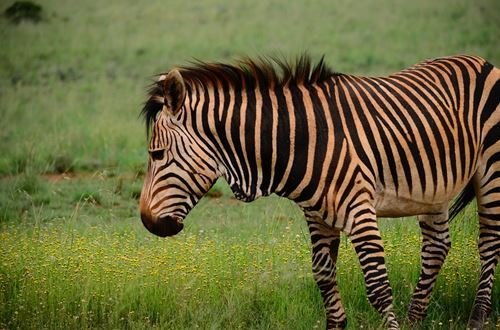
Arusha National Park may be small — covering just 137 square kilometers — but it is remarkably diverse, encompassing the Ngurdoto Crater, the Momella Lakes, and the forested slopes of Mount Meru. The park offers a range of experiences that few other Tanzanian parks can match.
Walking Safari with Armed Ranger
The highlight of Arusha National Park is the opportunity to explore on foot. Accompanied by a trained, armed park ranger and an experienced guide, you walk through the park's forests and grasslands, getting closer to wildlife than a vehicle allows . The ranger is highly skilled in wildlife behaviour and ensures safe distances are maintained at all times, making this a well-established and secure activity . Encounter giraffes, zebras, buffalo, and warthogs as you learn about animal tracks, plants, and the ecosystem from your guides . The walking safari typically lasts two to three hours and includes a visit to a scenic waterfall within the park .
Canoe Safari on the Momella Lakes
The Momella Lakes, a series of shallow alkaline lakes fed by underground streams, offer a unique canoeing experience. Gliding quietly across the calm waters, you can observe hippos, flamingos, and other birdlife with Mount Meru as your backdrop . Canoeing takes place under the supervision of trained guides, with life jackets provided and activities conducted in safe zones away from wildlife . The canoes are stable and suitable for beginners, making this a peaceful and accessible way to experience the park from a different perspective .
Game Drive and Scenic Landscapes
A game drive through Arusha National Park reveals its varied landscapes — open plains, montane forest, and crater lakes. The park is home to giraffes, buffaloes, zebras, warthogs, waterbucks, blue monkeys, and black-and-white colobus monkeys . The Ngurdoto Crater, an extinct volcanic caldera surrounded by thick forest, offers a spectacular viewpoint . For birdwatchers, the park is an excellent destination, with numerous species inhabiting its forests and lakeshores .
Lake Manyara National Park: Tree-Climbing Lions and Rift Valley Drama
Lake Manyara National Park occupies a narrow strip of land between the Great Rift Valley escarpment and the shallow, alkaline Lake Manyara. Despite covering only 330 square kilometers, the park is remarkably diverse, encompassing groundwater forest, acacia woodland, open grassland, and the lake itself.
Tree-Climbing Lions
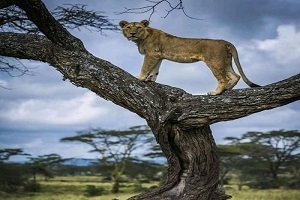
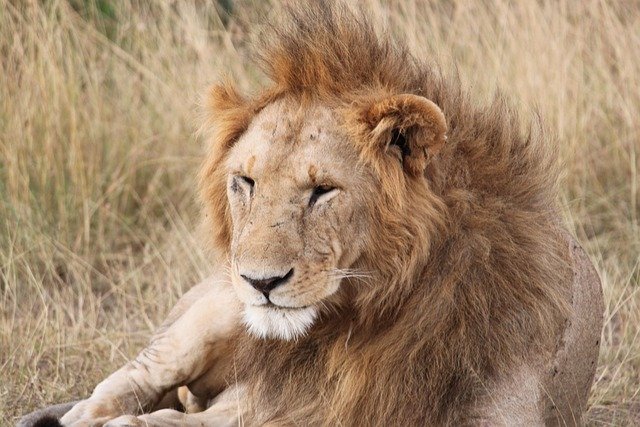
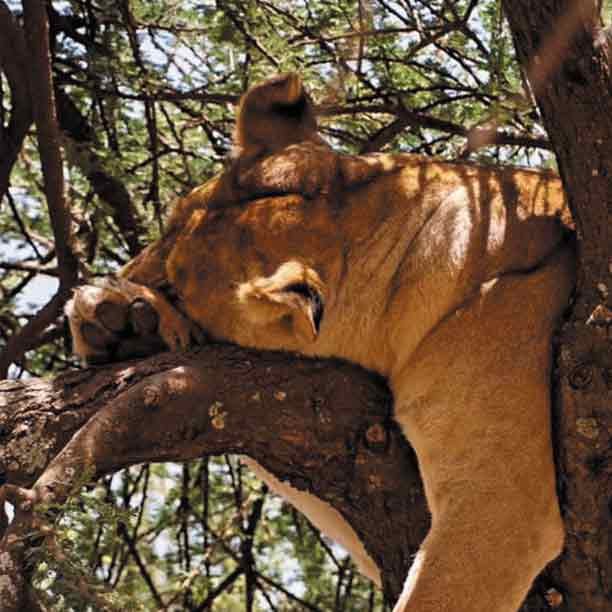
Lake Manyara's most famous residents are its tree-climbing lions. The park is one of only two places in Africa where lions habitually rest in the branches of trees — a behaviour that continues to intrigue researchers and delight visitors . The reason remains uncertain, though theories range from avoiding tsetse flies to escaping the heat. Whatever the cause, the sight of a lion draped across a branch is one of the most iconic images in African wildlife.
Diverse Wildlife and Birdlife
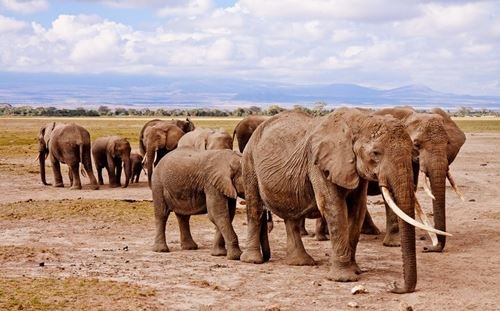
Elephants are abundant in Manyara, and large herds are frequently seen moving through the groundwater forest. The forest itself is fed by springs originating from the Rift Valley escarpment, creating a lush, green environment that supports troops of baboons, vervet monkeys, and blue monkeys . The park is also home to giraffes, zebras, wildebeest, buffalo, hippos, and the elusive leopard .
For birdwatchers, Manyara is a paradise. Over 400 species have been recorded, including thousands of flamingos that gather on the lake during the wet season . Other notable species include the silvery-cheeked hornbill, the crowned eagle, and the African fish eagle.
Optional Activities
Beyond game drives, Lake Manyara offers unique experiences. A canoe safari on the lake provides a peaceful way to observe wildlife along the shoreline . The Treetop Walkway, a suspended canopy bridge, offers an elevated view of birds, monkeys, and the lush forest below . These optional activities can be added to customize your visit.
Ngorongoro Crater: The Big Five and a Natural Wonder
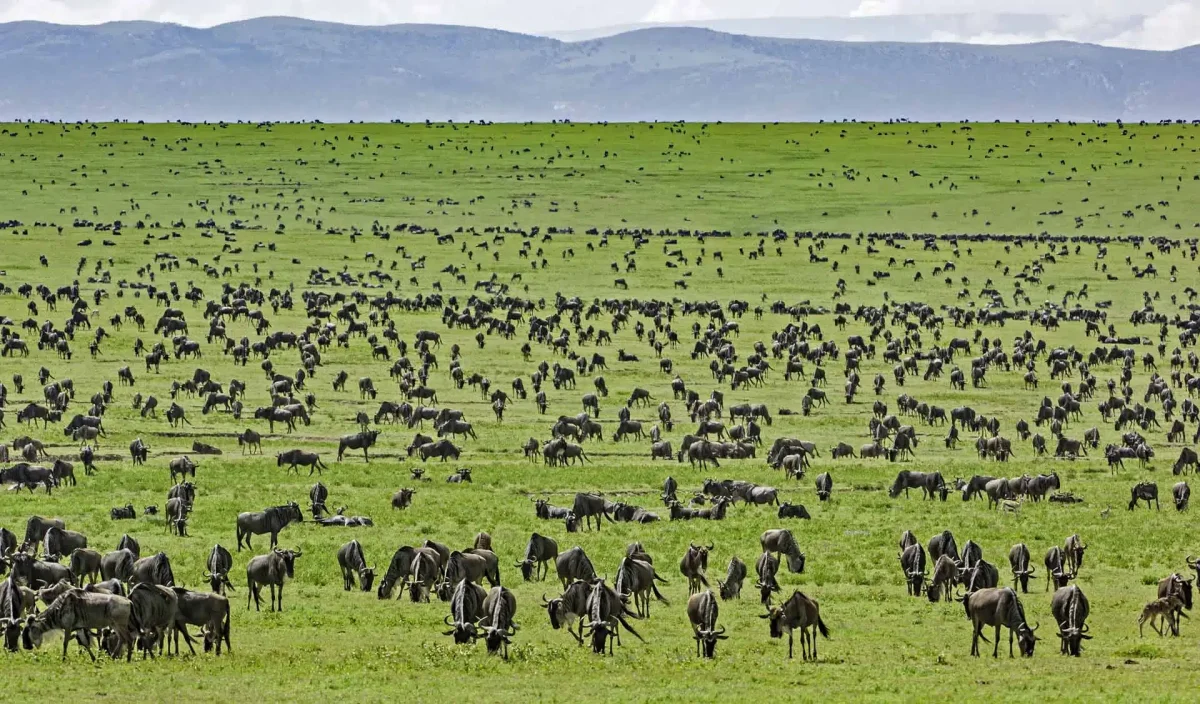
The Ngorongoro Crater is the centrepiece of the Ngorongoro Conservation Area, a UNESCO World Heritage Site spanning 8,292 square kilometers . The crater itself is the world's largest inactive volcanic caldera, formed when a massive volcano collapsed approximately two to three million years ago.
The Big Five
A game drive on the crater floor offers the best chance in Tanzania to see the Big Five — lions, leopards, elephants, buffaloes, and the critically endangered black rhinoceros . The crater's enclosed nature means wildlife densities are exceptionally high, with an estimated 25,000 large animals residing within its walls. Lions are regularly spotted, often resting in the shade of acacia trees or scanning the grasslands for prey. Elephants, including some of the oldest bulls with impressive tusks, wander through the forests and marshes. Buffalo herds numbering in the hundreds graze on the open plains.
Diverse Habitats and Wildlife
The crater floor encompasses a remarkable range of habitats — open grasslands, forests, wetlands, and freshwater lakes. This diversity supports a wide array of species, including zebras, wildebeests, cheetahs, giraffes, hyenas, hippos, jackals, and over 500 bird species . The crater's freshwater lakes attract flamingos, herons, and other waterbirds, while the forests shelter leopards and elephants.
A Scenic Wonder
Beyond its wildlife, the Ngorongoro Crater is a place of extraordinary beauty. The crater walls rise 600 meters above the floor, creating a natural amphitheater that frames every view. Descending into the crater on a morning game drive, with mist clinging to the rim and golden light spilling onto the grasslands below, is one of the most memorable experiences in African travel. A picnic lunch on the crater floor, surrounded by wildlife and the towering walls, adds to the sense of wonder .
A Perfect 3-Day Itinerary
This three-day safari combines three distinct experiences — walking and canoeing in Arusha National Park, tree-climbing lions and Rift Valley scenery at Lake Manyara, and the Big Five and dramatic landscapes of Ngorongoro Crater.
A typical itinerary might begin with pickup from your hotel in Arusha and a drive to Arusha National Park for a morning walking safari and afternoon canoeing on the Momella Lakes . The night is spent in a lodge or camp near Arusha or en route to Manyara. Day two takes you to Lake Manyara National Park for a full day of game drives, with the chance to spot tree-climbing lions and thousands of flamingos against the backdrop of the Rift Valley escarpment . The night is spent near Karatu or the Ngorongoro Highlands. Day three begins with an early descent into the Ngorongoro Crater for a game drive and picnic lunch on the crater floor, before returning to Arusha in the late afternoon .
This combination works perfectly for a short safari, offering a remarkable diversity of landscapes, activities, and wildlife encounters. Whether you are walking among giraffes in Arusha, watching a lion draped across a branch in Manyara, or descending into the crater in search of the Big Five, each day brings something new and unforgettable.
Itinerary
Day 1: From Moshi – Arusha – Lake Manyara National Park (Full Day Game Drive)
We begin our safari early in the morning from Moshi, departing after breakfast and heading toward Arusha. After a short stop in Arusha for final preparations, we continue our journey toward Lake Manyara National Park, arriving in time to enjoy a full-day game drive.
Lake Manyara offers a rich and diverse safari experience despite its relatively small size. As you explore the park, you will pass through lush groundwater forests, open grasslands, and the lake shore itself. The park is well known for its large populations of elephants, troops of baboons, and the famous tree-climbing lions. Along the lake, you may also witness flamingos and a wide variety of bird species.
You will enjoy a picnic lunch inside the park, allowing you to fully immerse yourself in the natural surroundings. The game drive continues into the afternoon, giving you ample time to explore and spot wildlife.
In the evening, you will exit the park and drive toward the Ngorongoro highlands, where you will check in at your lodge near the conservation area for dinner and overnight.
Lodge / Hotel to be used: Lodge in Ngorongoro and Karatu area
Time at lodge: 1 night
Estimated cost: $120 – $180 per person / day
Day 2: Lake Manyara Area – Ngorongoro Crater (Full Day Game Drive)
After an early breakfast, you will proceed to the Ngorongoro Conservation Area and descend into the spectacular Ngorongoro Crater for a full-day safari.
The crater is one of Africa's most remarkable wildlife destinations, often described as a natural enclosure filled with animals. Here, you will have excellent chances of spotting the Big Five, including lions, elephants, buffaloes, and if lucky, the rare black rhino. The landscape is equally stunning, with open plains, swamps, forests, and a soda lake attracting flamingos.
You will stop for a picnic lunch at a designated site near a hippo pool, surrounded by wildlife and breathtaking scenery. The game drive continues throughout the afternoon, maximizing your chances of wildlife sightings.
In the late afternoon, you will ascend the crater and return to your lodge for relaxation, dinner, and overnight stay.
Lodge / Hotel to be used: Lodge in Ngorongoro area
Time at lodge: 1 night
Estimated cost: $150 – $220 per person / day
Day 3: Ngorongoro – Arusha – Return to Moshi
On the final day, you will enjoy a relaxed morning with breakfast at your lodge before beginning your journey back. You will descend from the highlands and drive toward Arusha, passing through beautiful landscapes and local villages along the way.
After a short stop in Arusha, you will continue your drive back to Moshi, arriving in the afternoon or early evening. This marks the end of your memorable 3-day safari filled with diverse wildlife, scenic beauty, and authentic Tanzanian experiences.
Accommodation: Not included (end of tour)
Travel time: Full-day transfer
Included services in itinerary
- Meals (Breakfast, Lunch and Dinner) Included in itinerary
- Game drive included
- Accommodation services
- Drinks & Refreshments
- Photography Opportunities
- Entrance Fees Included
- Professional English-speaking safari guides
- Full Communication Equipment in Safari Vehicles
Excluded
- International flights
- Tanzania visa fees
- Travel insurance
- Alcoholic beverages
- Tips and gratuities
Trip Information
PDF format with full itinerary