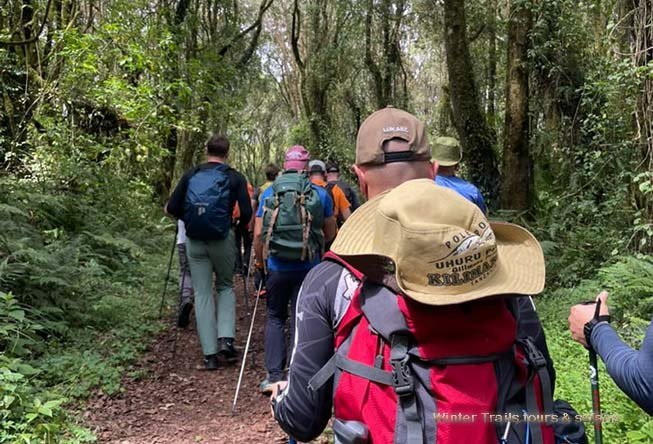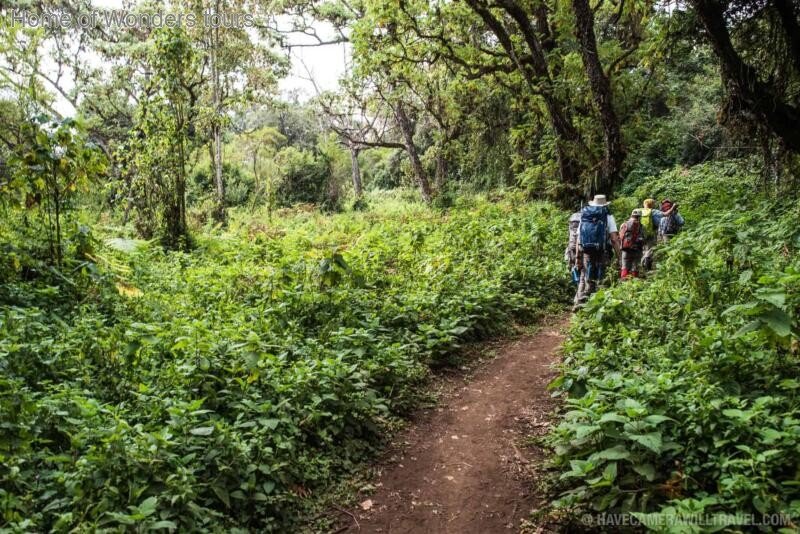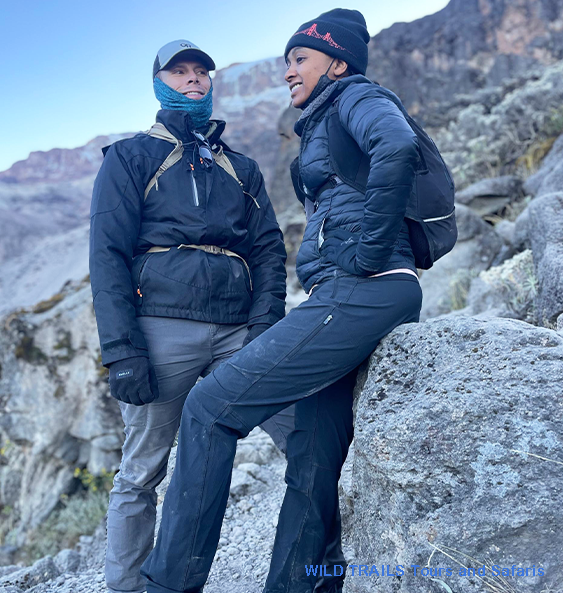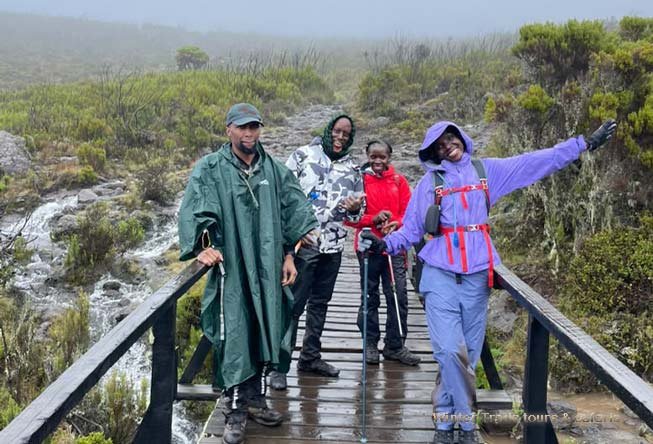
Climbing Mount Kilimanjaro is hard — but not in the way most people expect. It’s not a technical climb. You won’t need ropes, harnesses, or ice axes. You won’t be scaling vertical rock faces or crossing crevasses. What makes Kilimanjaro difficult is altitude, endurance, and mental resilience.
At 5,895 meters (19,341 feet), the air contains roughly 40% less oxygen than at sea level. Your body will struggle to adapt. You’ll walk for 5–8 hours a day, for 6–9 consecutive days, including a brutal 12–16 hour summit night in freezing temperatures. That’s the real challenge.
But here’s the good news: most reasonably fit people can climb Kilimanjaro with proper training, a slow pace, and a longer route. It’s hard, but it’s achievable.
The Real Challenge: Altitude
Altitude is the single biggest reason climbers fail to reach Uhuru Peak. More than half of all climbers experience some form of altitude sickness. About 65% don’t summit on their first attempt — and altitude is almost always the culprit.
Fitness does not prevent altitude sickness. In fact, young, fit athletes sometimes struggle more because they push too hard and too fast. The only way to adapt is to ascend slowly and give your body time to acclimatise.
How to manage altitude:
- Choose a longer route (7–9 days).
- Walk “pole pole” (slowly, slowly).
- Drink 3–5 litres of water per day.
- Consider Diamox (consult your doctor).
- Tell your guide immediately if you feel unwell.
Physical Demands
You don’t need to be an athlete, but you do need a reasonable level of fitness. Here’s what the climb demands:
| Demand | What It Means |
|---|---|
| Multi-day hiking | 5–8 hours per day, 6–9 consecutive days |
| Elevation gain | 1,000–1,200m per day on average |
| Summit night | 12–16 hours of walking, mostly in the dark and cold |
| Pack weight | 5–8kg daypack (your porter carries the rest) |
| Terrain | Rainforest, moorland, alpine desert, scree, rock scramble |
| Temperature | 25°C at the base, -15°C at the summit |
The summit night is the hardest part. You wake at midnight, dress in the freezing cold, and start walking. It’s dark. It’s freezing. The air is thin. You’ve been on the mountain for days. Your body is tired. Your mind starts to question why you’re doing this.
But if you can push through those 6–8 hours, you’ll stand on the roof of Africa at sunrise.
How Hard Is It Really? Summit Success Rates
The overall Kilimanjaro success rate is 65–70% across all routes and operators. But that average hides huge variation.
| Route | Days | Summit Success Rate |
|---|---|---|
| Marangu | 5–6 | 55–60% |
| Machame | 6–7 | 65–70% |
| Rongai | 6–7 | 75–80% |
| Lemosho | 7–8 | 70–75% |
| Northern Circuit | 9–10 | 80–95% |
The pattern is clear: More days = better acclimatisation = higher success rate.
If you want the best odds, choose an 8-day Lemosho or 9-day Northern Circuit route. The extra days cost more, but they are the single best investment you can make in your summit success.
Who Can Climb Kilimanjaro?
You can climb if you:
- Can walk 5–7 hours per day for 5+ consecutive days
- Have no serious heart, lung, or respiratory conditions
- Are cleared by your physician (required over 65)
- Are willing to walk slowly and listen to your body
- Can handle cold, basic accommodation, and limited shower facilities
- Have a positive mental attitude — the summit is a state of mind
You should reconsider if you:
- Have a serious cardiovascular or respiratory condition
- Are not willing to train properly in the months before
- Expect a comfortable hotel experience — this is camping/lodge-based
- Have a fear of heights (some exposed sections exist)
- Are unwilling to descend if you develop altitude symptoms
- Expect to rush — fast walkers have the lowest success rates
How to Make It Easier
- Choose a longer route. 7–9 days gives you the best chance of summiting.
- Train for 12–16 weeks. Focus on back-to-back long hikes with elevation gain.
- Walk slowly. “Pole pole” is not a suggestion — it’s a survival strategy.
- Drink water constantly. Dehydration worsens altitude sickness.
- Eat even when you’re not hungry. Your body needs fuel.
- Listen to your guides. They know the mountain and they know altitude sickness.
- Don’t be a hero. If you feel unwell, tell someone. If your guide says descend, descend.
- Prepare mentally. Summit night is as much a mental challenge as a physical one.
- Book with a reputable operator. Safety standards, guide experience, and porter treatment matter.
- Enjoy the journey. Kilimanjaro is not just about the summit. The scenery, the people, and the experience are unforgettable.
Kilimanjaro is a hard endurance trek, not a technical climb. The difficulty is almost entirely driven by altitude — the air at 5,895m contains roughly 40% less oxygen than at sea level.
If you’re reasonably fit, willing to train for 12–16 weeks, and choose a 7–9 day route, the climb is realistic for many active travellers. The safest plan is a long route, a slow pace, and at least one recovery day before safari.
The mountain doesn’t care how fast you are. It cares how well you acclimatise, how patiently you walk, and how honestly you listen to your body. Do those things, and Uhuru Peak is within reach.
Ready to start training for Kilimanjaro? Contact Winter Trails Tours and Safaris to discuss route options, training plans, and booking your climb.
Photo Gallery