The best time to climb the Northern Circuit is during Kilimanjaro's two dry seasons: January to March and June to October. These windows offer clear skies, dry trails, and the highest summit success rates.
If you want the absolute best combination of weather and solitude, September and October are the sweet spot. The peak-season crowds have thinned, but the conditions are still excellent.
Kilimanjaro's Two Dry Seasons
Kilimanjaro has two distinct dry seasons and two wet seasons. The dry seasons are your best bet.
Season 1: January to March (Short Dry Season)
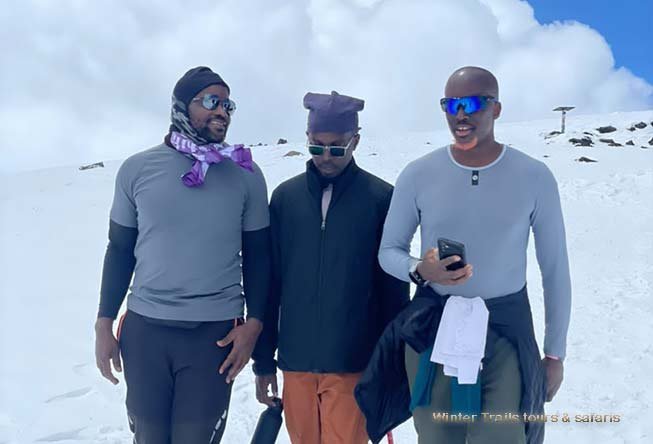
This season is generally colder than the summer months, but the skies are often exceptionally clear. There is a higher chance of seeing snow on the summit, creating a magical landscape. This period also tends to be slightly less crowded than the main season.
Pros:
- Clear skies and excellent visibility
- Fewer crowds than June–October
- Warmer temperatures in February
- Snow on the summit creates stunning scenery
Cons:
- Colder than the main dry season
- Occasional short rains in January
- Can be windy on the summit
Best for: Climbers who want good conditions without the peak-season crowds.
Season 2: June to October (Long Dry Season)
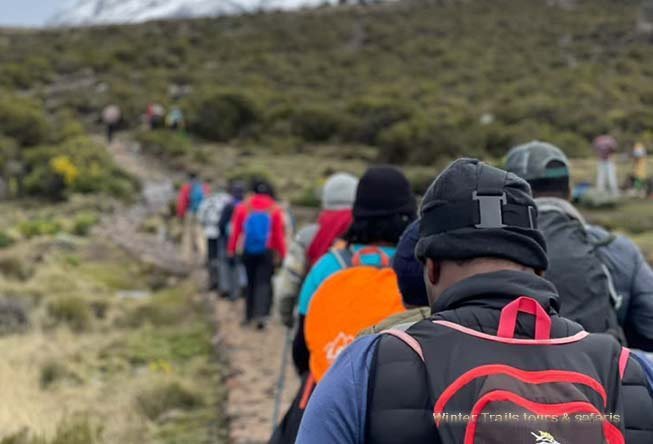
This is the most popular and busiest season. The weather is generally warmer and stable. You may experience some clouds in the lower rainforest zones, but the upper mountain is typically clear.
Pros:
- Best overall weather and stability
- Clear skies and excellent views
- Warmer temperatures than January–March
- High summit success rates
Cons:
- Peak crowds in July and August
- Higher prices
- Cold nights in August
Best for: First-time climbers and anyone who wants the best possible conditions.
Best Months for the Northern Circuit
| Month | Season | Weather | Crowds | Success Rate | Verdict |
|---|---|---|---|---|---|
| January | Short dry | Warm, clear, occasional showers | Medium | 90–95% | Very good |
| February | Short dry | Warmest month, clear | Medium | 90–95% | Excellent |
| March | Transition | Rain increases mid-month | Low | 80–85% | Good early, poor late |
| April | Long wet | Heavy rain, mud, snow | Very low | 60–70% | Avoid |
| May | Long wet | Rain continues, cold | Very low | 65–75% | Avoid |
| June | Long dry | Cool, clear, dry | Low | 90–95% | Excellent shoulder |
| July | Long dry | Cold, clear, dry | High | 95–98% | Peak season |
| August | Long dry | Cold, clear, dry | High | 95–98% | Peak season |
| September | Long dry | Cool, clear, dry | Medium | 95–98% | Best overall |
| October | Long dry | Warmer, clear, dry | Medium | 90–95% | Excellent shoulder |
| November | Short wet | Rain, mud, snow | Low | 70–75% | Poor |
| December | Transition | Rain early, clearing late | Medium | 80–85% | Good late |
Why September and October Are the Best Months
September and October offer the best combination of weather, solitude, and summit success on the Northern Circuit.
September is often described as the single best month to climb Kilimanjaro. The dry season is in full force, trails are dry and in excellent condition, skies are crystal clear, and the mountain is at its most stable. The August crowds have reduced, and the air is perfectly clear — Kilimanjaro's glaciers and summit are visible from the savannah below.
October is similar but slightly warmer. The peak-season crowds have thinned significantly, and prices are often lower than July–August. The weather remains stable and clear, making it an excellent choice for climbers who want good conditions without the crowds.
Bottom line: If you can choose any month, aim for September or October. You'll get the best weather, fewer crowds, and the highest possible summit success rate.
What About the Wet Seasons?
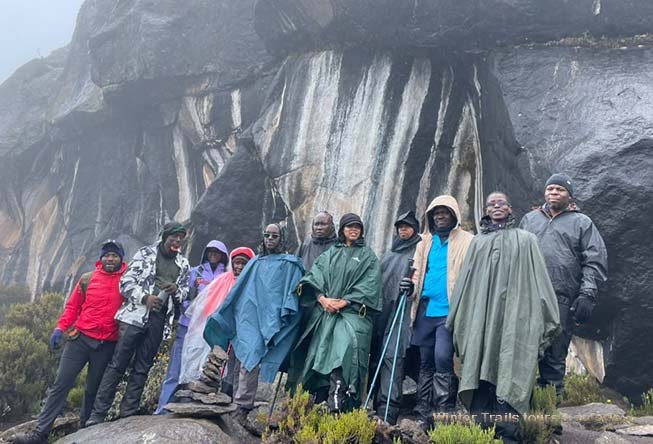
The rainy seasons of April, May, and November are best avoided. Trails can be muddy and slippery, and heavy cloud cover can obscure the magnificent views.
April and May bring the long rains. This is the wettest period on Kilimanjaro, with heavy rain in the lower zones and snow at higher altitudes. Visibility is often poor, and climbing is not recommended.
November brings the short rains. It's less intense than April–May, but trails are still muddy and the summit can be snowy.
The one advantage of the wet seasons: If you're seeking ultimate solitude, these months offer the quietest experience on the mountain. But you'll sacrifice weather, views, and summit success.