If you are planning a Tanzania safari, one of the most important questions to consider is, what is the best time to visit Katavi National Park? The best time largely depends on what you want to experience, but the dry season is particularly popular for travelers interested in wildlife viewing.
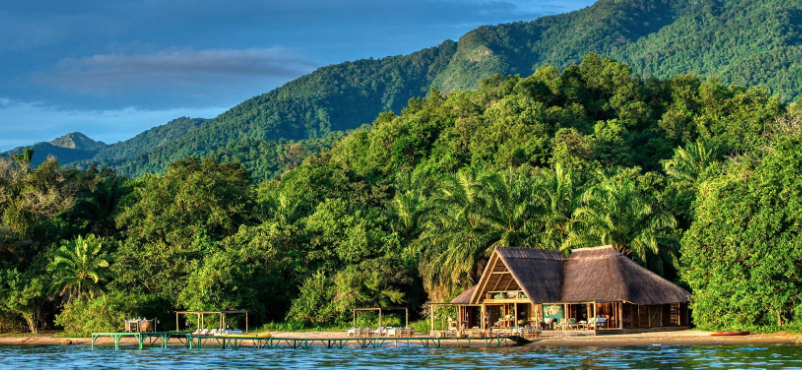
Located in western Tanzania, Katavi National Park is famous for its remote wilderness, large buffalo herds, hippos, elephants, and seasonal floodplains. The changing seasons have a major influence on where wildlife gathers and how the landscape looks.
Best Time for a Katavi Safari
The dry season, from June to October, is generally a favorable time for a Katavi National Park safari.
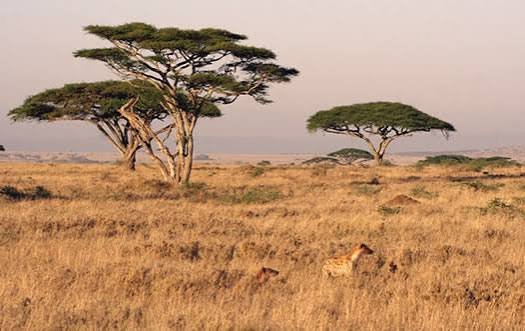
During this period, rainfall is limited, vegetation becomes less dense, and wildlife tends to concentrate around the remaining water sources. This can make animals easier to find and observe during game drives.
For travelers whose main goal is wildlife viewing, these conditions can create some of the most impressive safari experiences in Katavi.
June to October: Excellent Wildlife Viewing
The months of June, July, August, September, and October fall within the main dry period.
As water becomes scarce, animals increasingly gather around rivers, pools, and other permanent water sources. This is particularly interesting in Katavi because large groups of hippos, buffaloes, elephants, and other wildlife can be concentrated around limited water.
The dry vegetation can also improve visibility during game drives.
Why Is the Dry Season Special?
One of the most fascinating aspects of a Katavi safari during the dry season is the concentration of wildlife.
Seasonal floodplains gradually dry out, leaving animals dependent on fewer water sources. The result can be dramatic wildlife scenes, especially around the park's rivers and remaining pools.


This is one of the reasons Katavi is particularly attractive to experienced safari travelers looking for exceptional wildlife encounters.
What About November to May?
The wetter months bring a different atmosphere to Katavi National Park.
Rainfall transforms the landscape, bringing fresh vegetation and greener scenery. Seasonal wetlands and floodplains can become filled with water, creating attractive habitats for wildlife and birds.


For travelers interested in green landscapes, birdwatching, photography, and fewer visitors, the wetter season can offer a unique safari experience.
However, rainfall can make some roads and areas more difficult to access, and many safari camps in this remote region operate seasonally.
Best Time for Wildlife Photography
If your main interest is wildlife photography in Katavi, the dry season offers several advantages.
Animals can be easier to spot against open landscapes, while concentrations around water sources can create excellent opportunities for photographing wildlife interactions.
The green season has its own photographic appeal, with lush vegetation, dramatic skies, and vibrant landscapes.
Best Time to See Hippos and Buffaloes
Katavi is particularly famous for its large buffalo herds and hippo gatherings.
The dry season can be an interesting time to see these animals because shrinking water sources bring wildlife closer together.
For photographers and safari enthusiasts, these gatherings can provide some of the most memorable wildlife scenes in the park.
How Many Days Do You Need in Katavi?
A stay of around 3 to 4 days can give travelers enough time to experience Katavi without rushing.
A longer stay allows more opportunities for game drives and exploring different areas of the park. Because Katavi is relatively remote, many visitors combine it with other destinations in western Tanzania.
Is Katavi Worth Visiting During the Rainy Season?
Yes, but the experience is different from the dry season.
The landscape becomes greener and more scenic, while birdlife can be especially interesting. However, travelers should consider road conditions, accessibility, and seasonal camp operations when planning a trip during the wetter months.
Final Thoughts
So, what is the best time to visit Katavi National Park?
For travelers mainly interested in wildlife viewing, June to October is generally a favorable period. The dry conditions can make wildlife easier to spot, while animals often gather around the remaining water sources.
However, the wetter months can also be rewarding for travelers who appreciate green landscapes, birdwatching, photography, and a different side of Katavi's wilderness.
Whether you choose the dry or wet season, Katavi National Park offers a remote Tanzania safari experience filled with wildlife, dramatic landscapes, and unforgettable encounters.
Photo Gallery