Package Overview
Overview
This three-day safari brings together two of Tanzania's most extraordinary wildlife destinations in a compact, powerful itinerary designed for travellers who want maximum wildlife experience in minimum time. Over the course of three days, you will journey from the elephant-rich river valleys of Tarangire National Park to the vast, predator-filled plains of the Serengeti, experiencing the full spectrum of what a Tanzanian safari can offer.
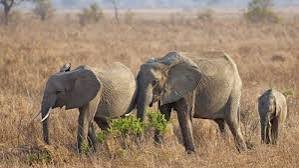
Tarangire National Park, often called the "Paradise of Elephants," is a compact yet remarkably productive ecosystem covering 2,850 square kilometers in the Manyara region. The park takes its name from the Tarangire River, which flows year-round and serves as the only permanent water source in the wider ecosystem during the dry months. Over three days, this single fact shapes everything. As seasonal waterholes outside the park dry up, animals from across the surrounding steppe funnel toward the river, creating one of the highest wildlife densities in Africa within a remarkably small area. The park is renowned for its elephant population — over 3,000 individuals, the densest concentration in Tanzania — and for its iconic baobab trees, some over 1,000 years old, whose massive trunks and skeletal branches give the landscape a timeless, almost mythic quality. For a three-day itinerary, Tarangire is the perfect opening act: wildlife is abundant, distances are short, and the drama of elephants against ancient trees unfolds within hours of arrival.
The Serengeti, by contrast, is defined by scale and movement. Covering approximately 14,750 square kilometers, it is more than five times the size of Tarangire. The name comes from the Maasai word siringet, meaning "endless plains," and that is precisely what the central and southern regions deliver — vast, treeless grasslands stretching to the horizon, broken only by granite kopjes that shelter hyraxes, lizards, and the occasional leopard. Even in a short three-day visit, the Serengeti delivers unforgettable encounters: lions on the hunt, cheetahs scanning the plains from termite mounds, and herds of wildebeest and zebra scattered across the horizon. The park is also home to Africa's highest density of lions — over 3,000 — and offers the best chance in Tanzania to witness predators in action on the open plains.
Three days is enough to experience both parks meaningfully without feeling rushed. Day one introduces you to the elephants and baobabs of Tarangire. Day two takes you into the heart of the Serengeti, where you spend a full day exploring the plains and tracking predators. Day three offers a final morning game drive before the return journey, allowing you to savour the Serengeti's magic one last time. This itinerary is ideal for travellers with limited time, those combining a safari with Kilimanjaro trekking or Zanzibar, and anyone seeking a concentrated dose of Tanzania's most iconic wildlife.
Tarangire National Park: The Paradise of Elephants
The Great Elephant Gathering
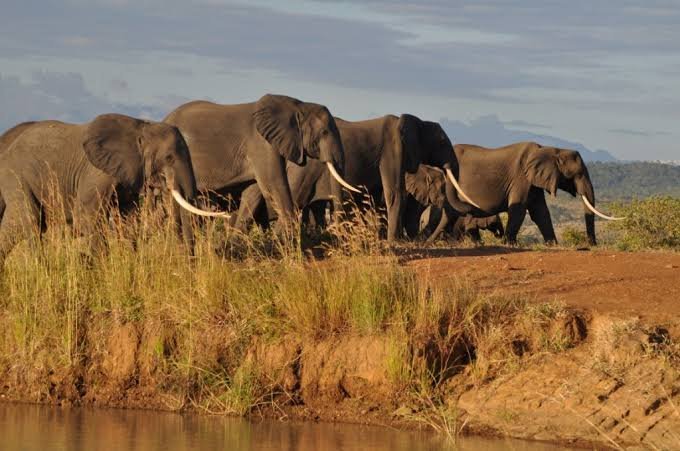
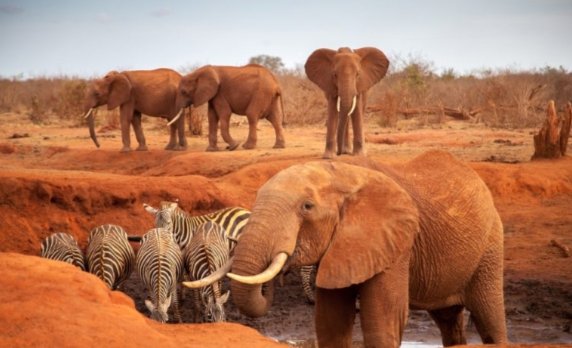
Tarangire's most famous residents are its elephants. The park supports one of the largest elephant populations of any national park in Tanzania, with herds numbering in the dozens moving through the park daily during the dry season. On a three-day safari, sightings of large family groups at close range are almost guaranteed. The elephants here tend to be less habituated to vehicles than those in higher-traffic parks, which means encounters often feel more genuinely wild. Herds of 80 to 120 elephants are routinely seen — mothers and calves, extended family groups, the matriarch leading with quiet authority. During the dry season, when water is scarce elsewhere, these massive congregations along the Tarangire River create a spectacle that rivals anything in East Africa.
The Ancient Baobabs
Tarangire's landscape is defined by its baobab trees, some of which are over 1,000 years old. These "Trees of Life" tower over the savanna, reaching up to 30 meters in height with trunks over 10 meters wide. The baobabs are not merely scenery — they are living ecosystems, providing food, water, and shelter for countless species. Elephants often strip the bark for moisture, leaving distinctive scars that mark the trees for decades. On a short safari, these trees provide the perfect backdrop for photography, especially in the golden light of early morning and late afternoon.
The Tarangire River and Dry-Season Migration
The Tarangire River is the lifeblood of the park. It runs through the center of the park and is the only permanent water source in the wider ecosystem during the dry months. As the landscape dries out, every animal with any choice converges on that river. The result is one of the highest wildlife densities in Africa in a remarkably small area. In Tarangire, you do not drive far to find wildlife. You simply go to where the river is. Zebra, wildebeest, buffalo, and hartebeest funnel into the river corridor as pans and seasonal waterholes dry out. For a three-day itinerary, this concentration means you spend less time driving and more time watching.
Predators and Birdlife
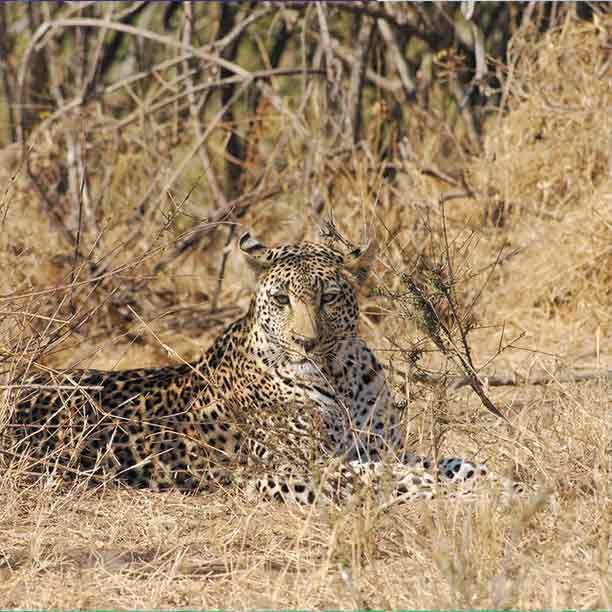
Tarangire is not just about elephants. Lions are resident year-round and are regularly spotted along the river and in the baobab woodland where they rest during the heat of the day. Leopards are present but harder to find, though the combination of dense vegetation and permanent water makes for excellent leopard habitat. African wild dogs, among the most endangered large carnivores in Africa, are also found in the Tarangire ecosystem, making the park one of the more reliable places in Tanzania for sightings.
For bird enthusiasts, Tarangire is one of Tanzania's premier birding destinations, with over 550 recorded species. The mix of habitats — open grassland, riverine forest, swamp, and baobab woodland — supports an unusually diverse avifauna. Yellow-collared lovebirds, ashy starlings, and the Tarangire-specific subspecies of the red-and-yellow barbet are particular draws. Raptors are abundant along the river, and the swamp areas in the south of the park attract large concentrations of waterbirds.
Serengeti National Park: The Endless Plains
The Great Migration
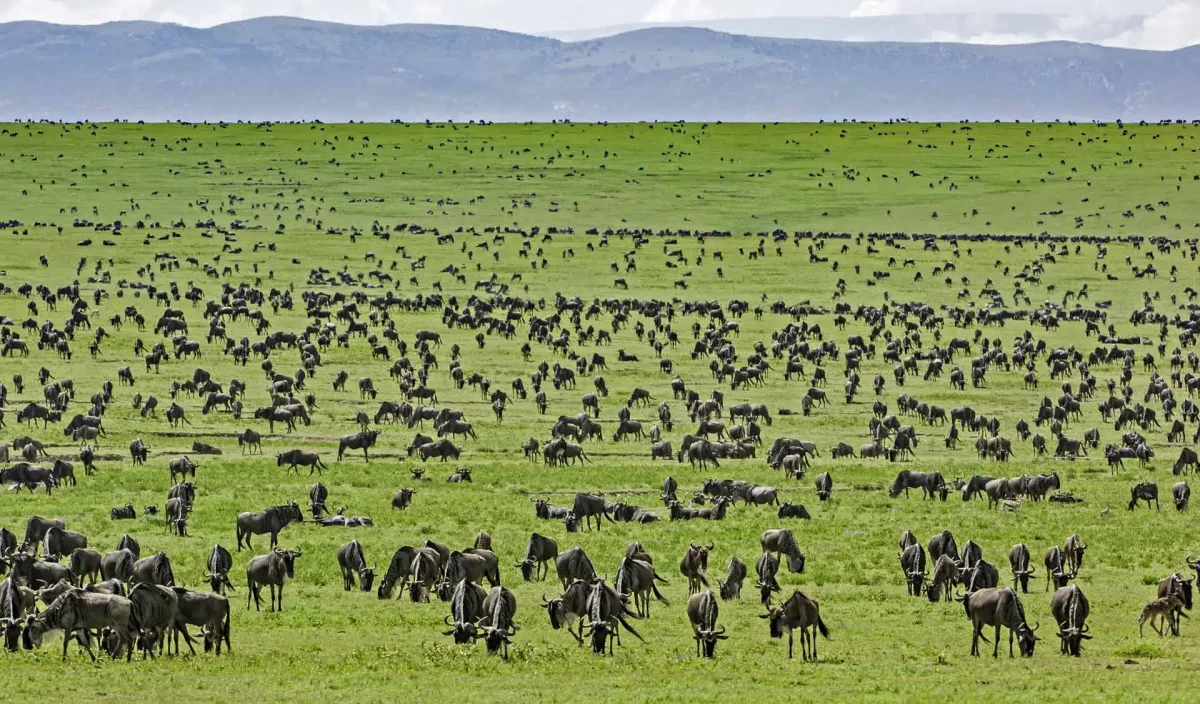
Even on a three-day safari, the Serengeti's headline act — the Great Migration — may be visible depending on the season. Up to two million animals, primarily wildebeest, along with hundreds of thousands of zebras and gazelles, circle the Serengeti-Mara ecosystem in search of water and fresh grazing, covering up to 1,000 kilometers a year. This is not a single event but a year-round cycle, with different highlights at different times and locations.
From January to March, the herds congregate in the southern Serengeti for the calving season, when nearly 500,000 calves are born in a matter of weeks. April to June brings the rut, or mating season, as the mega-herds merge and begin moving northwest. June to July sees the herds reach the Western Corridor and the Grumeti River. August to September is the most iconic time, when the herds reach the perilous Mara River in the northern Serengeti, gathering in thousands before braving fast currents and lurking predators to cross into Kenya's Masai Mara. October to December sees the herds migrate south again, spreading across the eastern and southern Serengeti. Even if your three-day safari does not coincide with a river crossing, the presence of vast herds on the plains is an unforgettable sight.
Predator Paradise
The Serengeti is synonymous with big cats. It has the highest density of lions in Africa — over 3,000 — and the long-running Serengeti Lion Project has been tracking prides here since the 1960s. On a three-day safari, you are more likely to see specific behaviours in the Serengeti — coordinated hunts, territorial disputes, the interaction of different prides. Cheetahs are also reliably spotted hunting on the open plains, and leopards drape themselves across the branches of sausage trees in the Seronera Valley. Beyond the big cats, the Serengeti supports African wild dogs, servals, bat-eared foxes, and abundant hippos in the river pools.
The Endless Plains
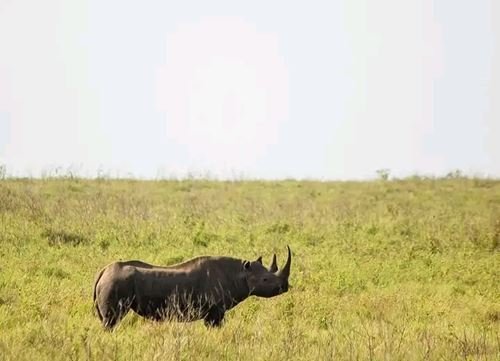
The name "Serengeti" comes from the Maasai word siringet, meaning "endless plains". The southern and central Serengeti are defined by vast, treeless grasslands that stretch to the horizon — an almost surreal flatness broken only by granite kopjes, rocky outcrops that shelter hyraxes, agama lizards, and the occasional leopard. The northern Serengeti shifts to rolling hills and riverine woodland, while the western corridor narrows to gallery forests along the Grumeti River. Even in three days, you will experience the sense of immensity that makes the Serengeti one of the world's great natural wonders.
When to Visit the Serengeti
The Serengeti offers something remarkable in every season, even on a short safari. June to October is the dry season, when the migration is in the northern Serengeti and river crossings occur. This is the best overall game-viewing period. January to February is the calving season in the southern plains, when hundreds of thousands of wildebeest give birth in one of nature's greatest wildlife events. April is the most affordable month, despite being the wettest, with fewer tourists and better value. May and June offer excellent value as the herds spread out and move north, with split-stay safaris working particularly well during this period. October and November see the return journey, with tourist numbers dropping significantly and more intimate wildlife encounters possible.
A Perfect 3-Day Safari Combination
Tarangire and the Serengeti are not competitors but complements. A well-designed three-day Tanzania safari itinerary includes both, allowing travellers to experience the full range of what the northern circuit offers in a compact timeframe.
Tarangire is the more economical choice, with park fees $20 less per person per day than the Serengeti, and its proximity to Arusha — roughly two hours by road — reduces transfer costs significantly. Accommodation around Tarangire tends to be less expensive than equivalent-quality options inside the Serengeti. A three-day Tarangire and Serengeti safari offers exceptional value, starting from approximately $1,200 to $1,600 per person depending on accommodation level and season.
The ideal three-day itinerary begins with Tarangire on day one, allowing travellers to acclimatize to the safari experience with the park's compact, wildlife-dense environment. Day two moves into the Serengeti, where a full day of game drives explores the plains and tracks predators. Day three offers a final morning game drive before the return journey. Tarangire delivers the drama of elephants against ancient baobabs and the intimacy of a river valley teeming with life. The Serengeti delivers the immensity of the plains, the awe of the Great Migration, and the raw power of Africa's greatest predator populations. Together, in just three days, they offer a complete and unforgettable Tanzanian safari experience.
Ready to experience Tarangire and Serengeti in 3 days? Contact Winter Trails Tours and Safaris to plan your ultimate short Tanzania safari adventure today.
Itinerary
Day 1: Moshi → Tarangire National Park
Your adventure begins early in the morning from Moshi, the gateway town near Kilimanjaro. After breakfast, you'll drive south toward Tarangire National Park, approximately 4–5 hours. Tarangire is renowned for its large elephant herds, iconic baobab trees, and vast savannah landscapes.
Upon arrival, enjoy a midday game drive, spotting giraffes, zebras, buffaloes, and predators like lions. A picnic lunch is served at a scenic rest area inside the park. The afternoon continues with a guided safari drive, exploring the riverbeds and plains where wildlife congregates, particularly during the dry season. In the evening, transfer to nearby lodge or tented camp for overnight stay, reflecting on the day's wildlife encounters.
Day 2: Tarangire - Serengeti National Park
After an early breakfast, depart for Serengeti National Park, a journey of 5–6 hours with scenic stops en route. You may pass through Ngorongoro Conservation Area, offering stunning views of the crater rim and surrounding highlands.
Arriving in the Serengeti by midday, enjoy a game drive in the central plains, the heart of the famous wildlife migration. Spot lions lounging in the sun, cheetahs prowling the grass, wildebeest herds, and zebras roaming the vast savannah. Lunch is served at a picnic site or lodge, followed by an afternoon safari to maximize sightings before sunset. Overnight at a lodge or tented camp within the Serengeti.
Day 3: Full-Day Serengeti Safari → Moshi
Begin the day with an early morning safari, one of the best times to see predators hunting and animals active. Drive through different areas of the Serengeti, exploring rivers, plains, and kopjes to maximize wildlife viewing. A hearty breakfast or brunch is served at your lodge or picnic site.
After a final mid-morning game drive, start the return journey to Moshi, which takes about 8–9 hours. Along the way, you can stop for refreshments and scenic photographs. Arrive in Moshi by evening, marking the end of your 3-day adventure.
Included services in itinerary
- Meals (Breakfast, Lunch and Dinner) Included in itinerary
- Game drive included
- Accommodation services
- Drinks & Refreshments
- Photography Opportunities
- Entrance Fees Included
- Professional English-speaking safari guides
- Full Communication Equipment in Safari Vehicles
Excluded
- International flights
- Tanzania visa fees
- Travel insurance
- Alcoholic beverages
- Tips and gratuities
Trip Information
PDF format with full itinerary
Request this tour
More Related Packages
Serengeti National Park Day Tour Package

2-Day Lake Manyara & Serengeti Safari Tour

Serengeti and Ngorongoro Tours
2-Day Tarangire & Serengeti Safari Tour