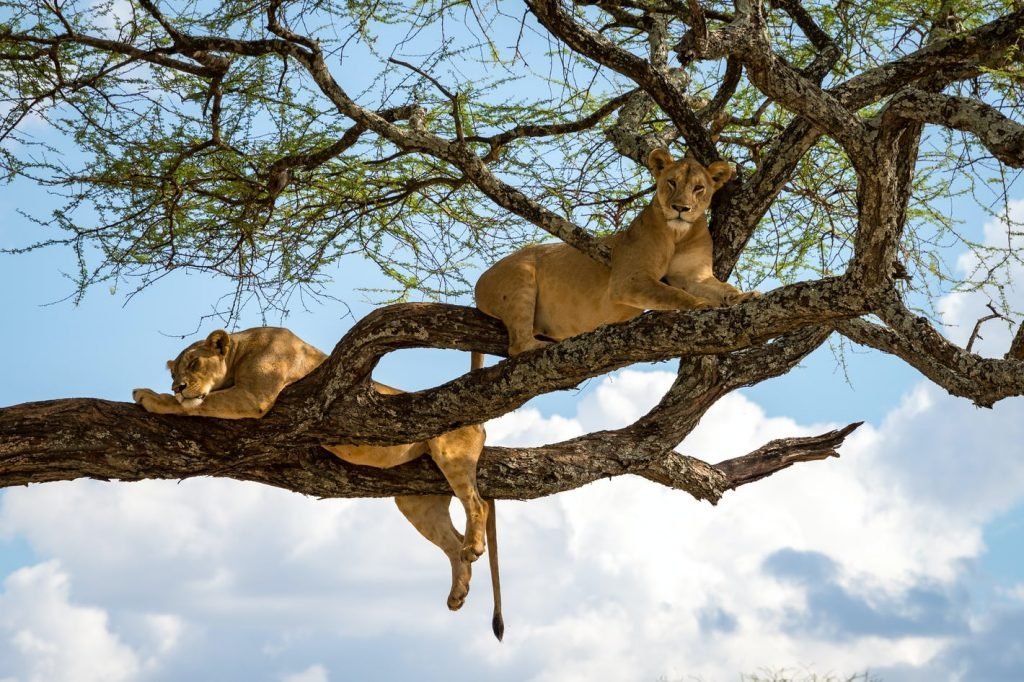
Choosing the best time to visit Tarangire National Park depends on your travel goals, the type of wildlife you want to see, and whether you prefer dry weather or fewer visitors. Tarangire is one of Tanzania’s most rewarding safari destinations, famous for its large elephant herds, ancient baobab trees, diverse wildlife, and excellent birdwatching opportunities.
Although Tarangire National Park can be visited throughout the year, the dry season is generally considered the best time for wildlife viewing because animals gather around reliable water sources such as the Tarangire River and nearby wetlands. However, the green season also offers beautiful scenery, migratory animals, and excellent conditions for photographers and bird lovers.
Best Time for a Tarangire Safari: June to October
The period from June to October is widely regarded as the best time to visit Tarangire National Park for a traditional Tanzania wildlife safari. During these months, rainfall is limited, vegetation becomes thinner, and animals are easier to spot during game drives.
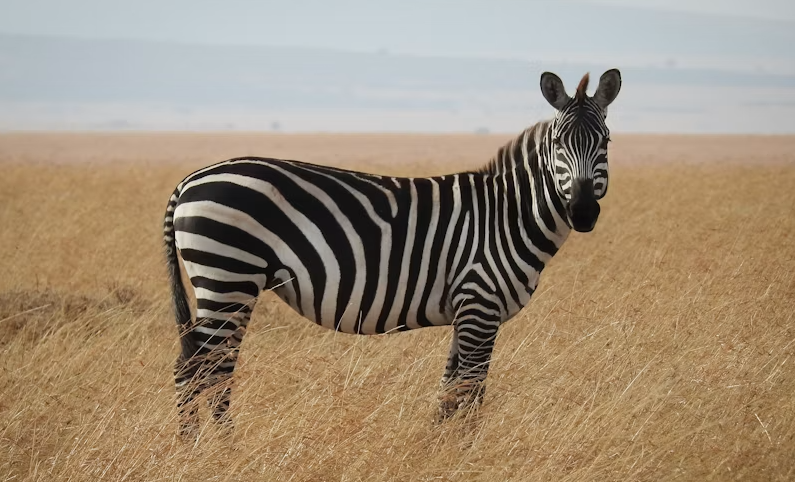
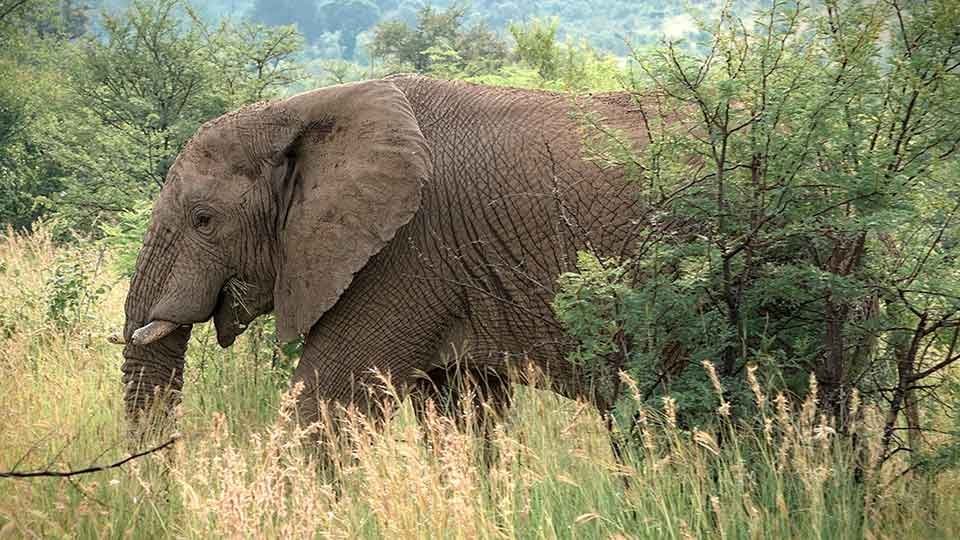
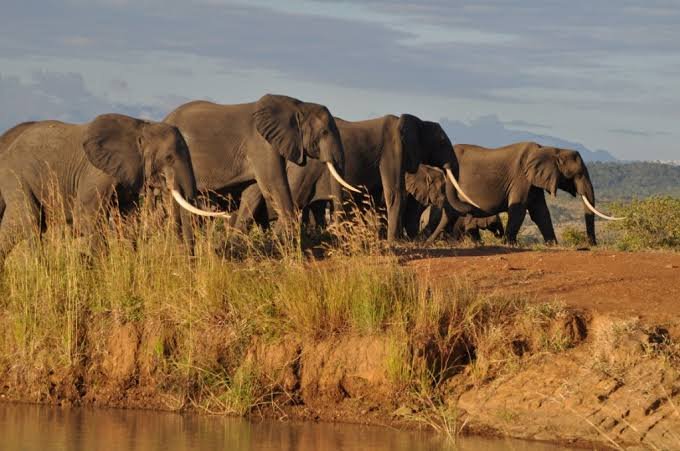
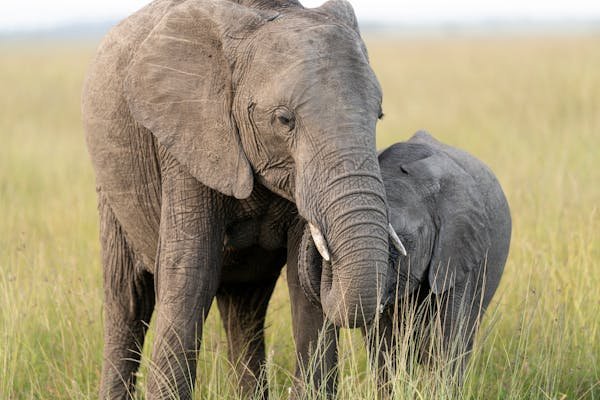
As water sources outside the park become less reliable, many animals move toward the Tarangire River and other permanent water areas. This creates excellent opportunities to see elephants, buffaloes, giraffes, zebras, wildebeest, antelopes, and different species of predators.
The dry season is especially suitable for visitors who want to enjoy:
- Excellent wildlife viewing
- Large elephant herds
- Clear safari conditions
- Easier animal spotting through open vegetation
- Comfortable game drives with less rain
- Beautiful sunrise and sunset photography
June and July are particularly attractive because the landscape remains relatively green after the rains, while wildlife activity begins to increase around water sources. August, September, and October are also excellent months for a Tarangire National Park safari, especially for visitors interested in concentrated wildlife viewing.
Visiting Tarangire National Park in November and December
November and December mark the beginning of the short rainy season in northern Tanzania. Rainfall usually comes in short showers, and the park begins to regain its green appearance.
During this period, Tarangire becomes more attractive for travellers who prefer:
- Fresh green landscapes
- Fewer crowds
- Beautiful photographic backgrounds
- Pleasant temperatures
- A quieter safari experience
The rains encourage vegetation to grow, and some animals begin moving away from the permanent water sources toward wider grazing areas. Wildlife can still be seen, but animals may be more spread out than during the dry season.
Birdwatching is also rewarding during these months because many bird species become more active, and migratory birds may be present in the park.
Visiting Tarangire National Park from January to February
January and February are part of the short dry period between the short and long rains. These months can offer a good balance between wildlife viewing, green scenery, and moderate visitor numbers.
The weather is often warm, with occasional rainfall possible. Wildlife remains available, although animals may be more widely distributed because water and food can be found in different parts of the park.
This period is suitable for travellers who want to combine Tarangire with other northern Tanzania destinations such as:
- Serengeti National Park
- Ngorongoro Conservation Area
- Lake Manyara National Park
- Arusha National Park
- Mount Kilimanjaro
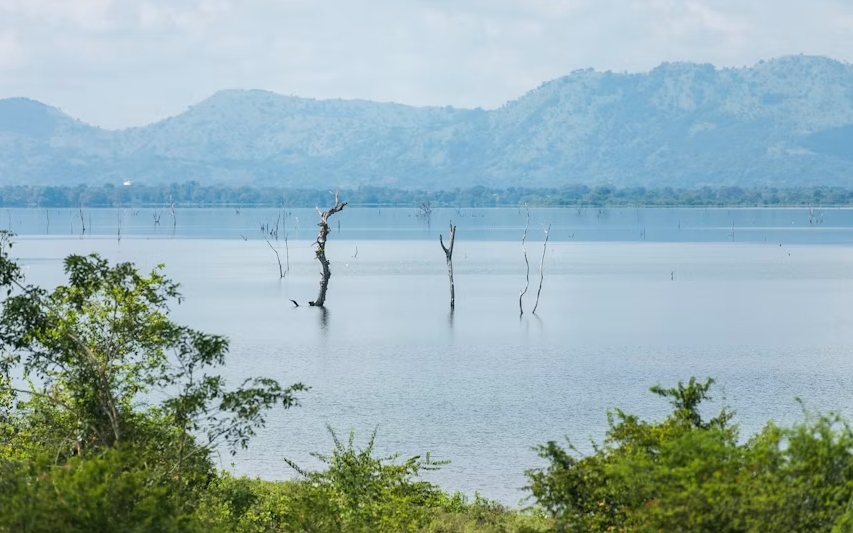
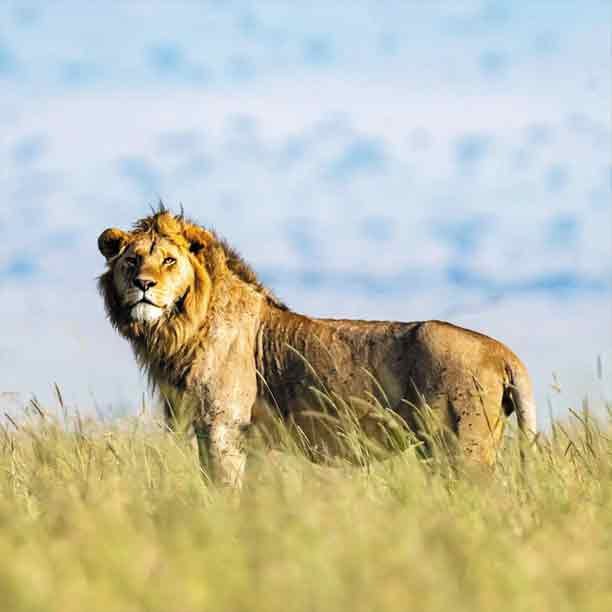
A Tarangire game drive during January or February can still provide sightings of elephants, giraffes, zebras, buffaloes, lions, and many bird species.
Visiting Tarangire National Park During the Long Rains: March to May
March to May is the main rainy season in northern Tanzania. During these months, Tarangire National Park becomes greener, quieter, and especially attractive for nature lovers and photographers.
Rainfall can sometimes affect road conditions and safari schedules, but it does not mean that wildlife disappears. Animals remain in the park, and the green landscape creates a different safari experience from the dry season.
The long rainy season is ideal for visitors who are interested in:
- Green landscapes and dramatic skies
- Fewer tourists
- Lower-season travel opportunities
- Birdwatching
- Photography
- A peaceful safari atmosphere
The main consideration is that heavy rain may occasionally make some roads difficult to access. Visitors should therefore plan their Tarangire safari with an experienced local guide and allow flexibility in their daily schedule.
What Is the Best Month for Wildlife Viewing in Tarangire?
If wildlife viewing is your main priority, September and October are among the most attractive months to consider. During this period, the dry conditions encourage many animals to gather around the Tarangire River and other remaining water sources.
However, there is no single month that guarantees every animal sighting. Wildlife movement depends on rainfall, water availability, temperature, and natural behaviour. Even during the dry season, animals may move through different areas of the park.
For the best experience, visitors should plan early morning and late afternoon game drives. These periods are often more comfortable and provide good opportunities to observe animals when they are active.
What Is the Best Time for Birdwatching in Tarangire National Park?
Tarangire is an excellent destination for birdwatching throughout the year, with more than 550 recorded bird species. The green season, especially from November to April, is particularly interesting for bird lovers because migratory birds may be present and many resident species are active.
Birdwatchers may see different types of:
- Raptors
- Waterbirds
- Woodland birds
- Ground birds
- Colourful smaller birds
- Migratory bird species
The park’s river, wetlands, grasslands, and woodland habitats support a wide variety of birdlife. Visitors interested in birdwatching should carry binoculars and allow extra time during game drives to observe birds carefully.
Is Tarangire National Park Good During the Low Season?
Yes. Visiting Tarangire National Park during the low season can be a rewarding experience. The park is usually less crowded, allowing visitors to enjoy a more peaceful atmosphere and spend more time observing wildlife without many safari vehicles nearby.
The green season also offers excellent photographic conditions. The combination of green vegetation, dramatic clouds, baobab trees, and wildlife creates beautiful images.
The main disadvantage is that animals may be more dispersed, and rainfall can sometimes affect road conditions. Nevertheless, travellers who value quiet surroundings and scenery may enjoy the low season very much.
When Is the Best Time to Visit Tarangire National Park for Families?
Families can visit Tarangire National Park throughout the year, but the dry season from June to October is often convenient because there is less rainfall and game drives are easier to organize.
For families travelling with children, it is helpful to:
- Plan shorter game drives when necessary
- Carry drinking water and sun protection
- Bring hats and light clothing
- Follow the guide’s wildlife safety instructions
- Choose accommodation with family-friendly facilities
- Schedule breaks between activities
Early morning game drives can be cooler and more comfortable, while afternoon drives provide opportunities to enjoy the changing light and wildlife activity.
What Should You Pack for a Tarangire Safari?
Your packing list should depend on the season, but some items are useful throughout the year:
- Light, comfortable clothing
- A warm layer for early mornings
- Sun hat and sunglasses
- Sunscreen
- Comfortable walking shoes
- Binoculars
- Camera and extra batteries
- Insect repellent
- Rain jacket during the green season
- Reusable drinking water bottle
Neutral-coloured clothing such as beige, brown, olive, and khaki is practical for a Tanzania wildlife safari because it blends well with the natural environment.
Final Thoughts
The best time to visit Tarangire National Park for wildlife viewing is generally from June to October, when animals gather around water sources and vegetation is less dense. September and October can be especially rewarding for visitors hoping to see large numbers of wildlife during game drives.
However, every season has its own advantages. The green season from November to May offers beautiful scenery, excellent birdwatching, fewer visitors, and attractive photographic opportunities. The ideal travel period therefore depends on whether you prefer concentrated wildlife viewing, green landscapes, birdwatching, or a quieter safari experience.
For the best results, consider your interests, the weather, and your wider Tanzania safari itinerary before choosing when to visit Tarangire National Park.
Photo Gallery